Steel Wall in Hormuz: US Naval Blockade Strains Energy Supply Lines
ABD Merkez Komutanlığı (CENTCOM), İran'a yönelik uygulanan deniz ablukasını sertleştirerek Umman Körfezi'ndeki denetimleri en üst seviyeye çıkardı. Kü
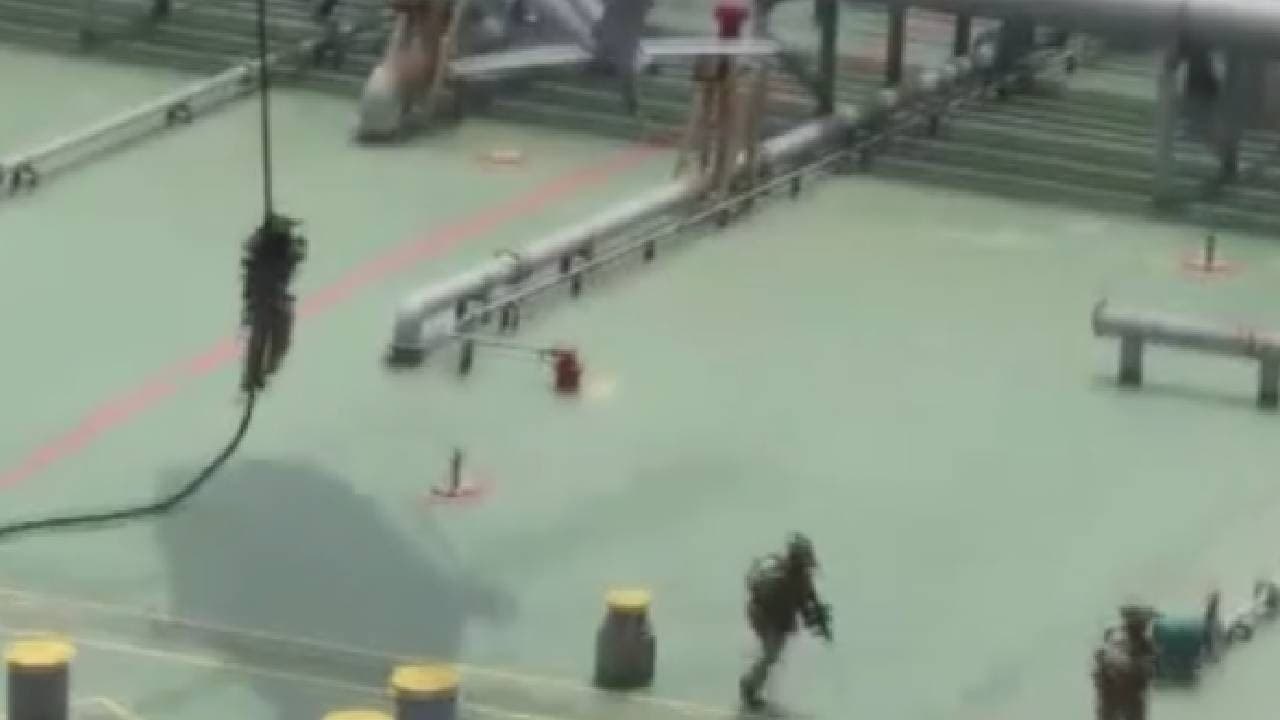
The US Central Command (CENTCOM) has intensified its maritime blockade against Iran, escalating inspections in the Gulf of Oman to their highest level. In a region that serves as the jugular vein of global energy supply, the US military's "steel wall" strategy has become a direct pressure point on commercial maritime traffic.
Operational Interventions and Commercial Restrictions
The US 11th Marine Expeditionary Unit is executing an active interception policy to prevent the breach of the blockade. The latest operational data reflects the following:
The Balance of Security and Trade in the Strategic Strait
While the Washington administration emphasizes that the Strait of Hormuz and surrounding waters remain open to all except those violating the blockade, the implementation of the "steel wall" strategy has evolved into a risk factor capable of impacting insurance premiums and freight costs. Although the diversion of commercial ships causes micro-scale delays in the supply chain, the primary objective remains the complete closure of Iran's maritime financial channels.
For global energy markets, any military movement in the Strait of Hormuz is not merely a political tension but a risk premium on Brent crude prices. While this aggressive stance by the US claims to protect supply security in the short term, any escalation scenario would drive up energy costs, directly destabilizing the budget discipline and inflation-fighting efforts of emerging economies.
Related News & Analysis
View All →
Trump's Fed Remarks: Urgent Call for Rate Cuts Amid Rising Rates

BİM's Digital Catalog Label Changes: Market Reaction Awaited

Court of Appeals Redefines Liability in Fuel Dispute: Implications for Consumer Rights

Samsun Fishing Sector: $122 Million Export and Sustainable Fishing Focus

Deniz Göktaş's Arrest: Government's New Move Against Political Incitement

Trabzonspor Fans: How Political Tensions Impact Sports
Latest Market News
All News →
Anthropic's Nvidia-Backed Lambda Deal: The Shadow of a $35 Billion Investment on Banking

Polymarket Raises $1 Billion: Trump Jr.’s 1789 Capital Invests $300 Million

Polymarket's $1 Billion Raise: 1789 Capital and Trump Jr.'s $21 Billion Valuation

Turkey's GDP Grows 2.3%: Strong Quarter for Manufacturing and Production

U.S. Debt Crisis Strengthens Bitcoin's Bull Case: Call Options at $80K-$100K Cross $10 Billion in Notional OI