Fuel Prices on August 3, 2026: Updated Benzine, Diesel, and LPG Rates for Istanbul, Ankara, and Izmir
724FinanceZeynep Kaya
Key Highlights
Küresel piyasa dalgalanmaları ve artan ÖTV baskısı, Türkiye'de akaryakıt fiyatlarını yeniden şekillendiriyor; 3 Ağustos 2026 itibarıyla tüketiciler, l
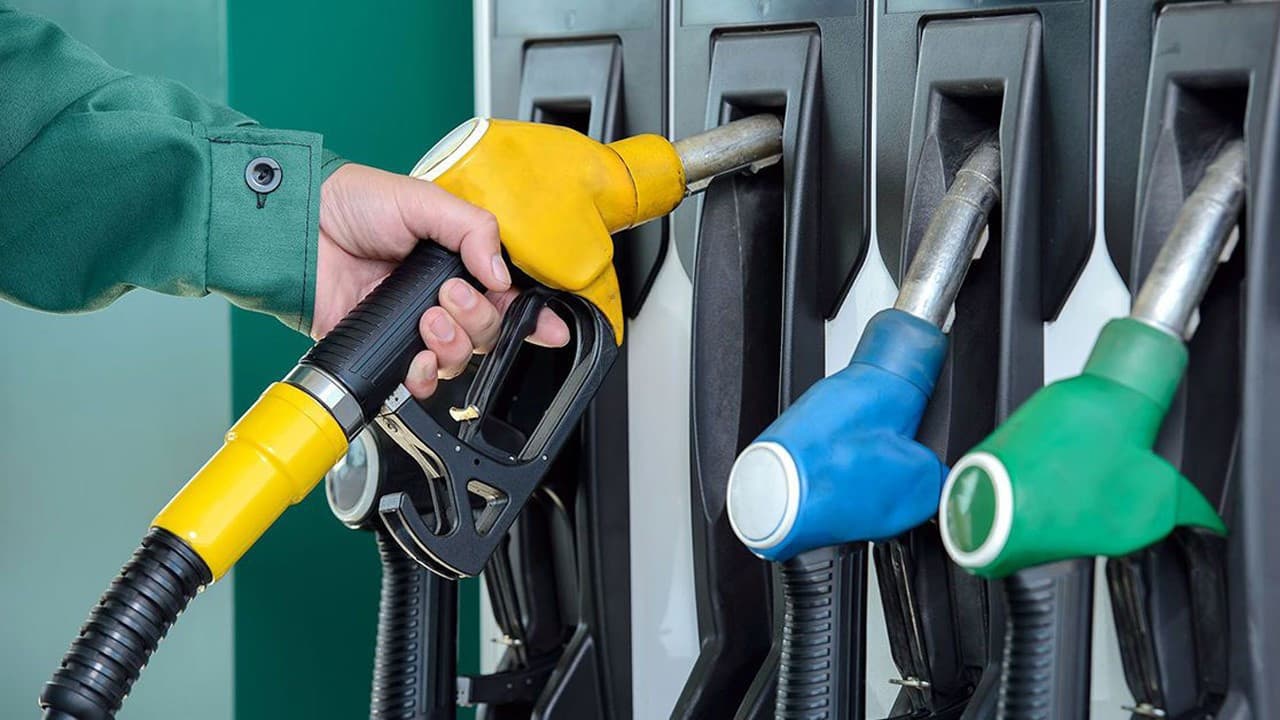
Global market turbulence and mounting excise tax pressure are reshaping Turkey's fuel landscape; as of August 3 2026, consumers face ₺67.18 per liter for gasoline, ₺80.97 for diesel, and ₺31.19 for LPG.
How Global Swings Translate Locally
City‑by‑City Fuel Snapshot on August 3 2026
LPG Surcharge and Market Outlook
Implications for Consumer Financing
Zeynep Kaya – Individual Credit & Consumer Finance Strategist: The rise in fuel prices imposes a clear strain on household budgets. Lower‑income segments, in particular, may encounter higher risk premiums on credit‑card usage. Financial institutions should consider flexible repayment schemes and zero‑interest installment options for high‑fuel‑expenditure clients. In the longer run, a transition to renewable energy and efficiency‑driven investments will be pivotal in mitigating consumer‑finance risk.
Related News & Analysis
View All →
991 Million Lira Maintenance Advance to Sugar Beet Producers: A Major Liquidity Injection into Agriculture

China Manufacturing Slumps Unexpectedly: Economy Cooling

Japan's Manufacturing Surge Marks 12.5-Year High

Trump Cancels Iran Strike, Crashing Oil Prices to Three-Week Lows
August 3, 2026 USD/TRY and EUR/TRY Rates: The TL Short‑Term Transition Map

Trump’s Iran Decision Sends Oil Tumbling, Boosts Gold
Latest Market News
All News →991 Million Lira Maintenance Advance to Sugar Beet Producers: A Major Liquidity Injection into Agriculture

UK Economy Faces Recession if Strait of Hormuz Remains Closed

Diplomatic Maneuver Cracks Oil Rally: Brent Slips Below $85

VİOP Starts Week at Peak: Rally Signals in BIST 30 Futures

Tony Wins Boost Schmigadoon! but Profitability Remains Elusive