
Germany Unemployment Jumps to 6.4% in July – Labor Market Shock Sends Ripples Through Finance
724FinanceBurak Yalın
Key Highlights
Almanya Federal İş Ajansı (BA), Temmuz 2026’da işsiz sayısının **71 bin** kişi artarak **3,007 bin** kişiye yükseldiğini duyurdu; bu, piyasa beklentil
Germany's Federal Employment Agency (BA) reported that the number of unemployed rose by 71,000 in July 2026, reaching 3.007 million, surpassing market expectations of a 5,000‑person increase.
The Mechanics Behind the Seasonally‑Adjusted Spike
Potential Turbulence in European Financial Markets
The abrupt widening of Germany's labor market could lift credit risk premiums across the Eurozone and trigger short‑term caution in capital flows. The pressure is especially acute for SME lending and the growth rate of commercial credit, compelling banks to adopt more conservative liquidity strategies.
Central Bank Stance and Liquidity Tactics
Implications for SME Credit and Liquidity Management
Burak Yalın – Director of Commercial Credit & Central Bank Policies
Germany's higher‑than‑expected unemployment rate is likely to lift credit risk premiums across the Euro area and push banks toward tighter lending standards. SME liquidity management must now factor in not only domestic market risks but also labor‑market shocks in neighboring major economies. Turkish banks should monitor short‑term external debt and deposit growth trends closely to price potential shocks pre‑emptively.
Related News & Analysis
View All →
Tourism Revenue Declined by 2.6% in Q2: How Markets Are Reacting?
BOJ Holds Rates Steady Amid Upward Growth Forecasts

Dollar Clings to 47 Lira Threshold as Euro Soars Past 54
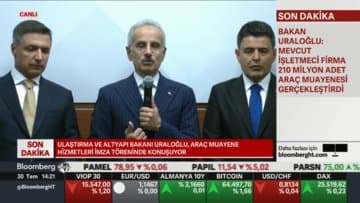
Financing Secured for 20-Year Vehicle Inspection Monopoly, Card Commissions Scrapped

Tosyalı Secures €187 Million Spanish Loan: A Green Energy Gambit in Global Steel Markets
Citi Maintains Hawkish Expectations for Fed Despite Rate Hold - How Markets React?
Latest Market News
All News →![[INFO, IYF] İNFO YATIRIM MENKUL DEĞERLER A.Ş.
Özel Durum Açıklaması (Genel)
/ METEN - Günlük Alım Emri Taahhüdü Kapsamındaki Pay Alımı Hk.](/_next/image?url=%2Fuploads%2Fkap-default.png&w=3840&q=75)
[INFO, IYF] İNFO YATIRIM MENKUL DEĞERLER A.Ş. Özel Durum Açıklaması (Genel) / METEN - Günlük Alım Emri Taahhüdü Kapsamındaki Pay Alımı Hk.

The Week’s Sole Winner: Currency Surge While Other Assets Falter
[CRFSA] CARREFOURSA CARREFOUR SABANCI TİCARET MERKEZİ A.Ş. Özel Durum Açıklaması (Genel) - Kurumsal Yönetim Komiteleri Üyelikleri ve Yatırımcı İlişkileri Bölüm Yöneticisi Ataması
[OTKAR] OTOKAR OTOMOTİV VE SAVUNMA SANAYİ A.Ş. Özel Durum Açıklaması (Genel) - Finansal raporların açıklanması
[OTKAR] OTOKAR OTOMOTİV VE SAVUNMA SANAYİ A.Ş. Sorumluluk Beyanı (Konsolide) - Sorumluluk Beyanı