Germany's F127 Warships Redefine Europe’s Maritime Power
Almanya, **26 milyar Euro**'luk dev bir savunma bütçesiyle, F127 sınıfı sekiz yeni nesil fırkateyni denizlerde dev bir denge değişikliği yaratma planı

Germany is mobilising a €26 billion defence budget to field eight next‑generation F127 frigates, a move set to reshape the balance of power across European waters.
Europe’s Strategic Pivot
Russian ballistic‑missile threats and the United States’ pivot to the Asia‑Pacific have forced Europe to rethink its maritime security posture. Berlin, responding to these dynamics, is expanding its naval shield to reinforce the continent’s defence doctrine and protect NATO’s northern flank.
Technical Profile of the F127 Class
Financial and Industry Impact
Germany’s €26 billion outlay goes beyond hull construction; it expands the domestic defence supply chain. The programme is expected to generate roughly 5 000 new jobs and cement Germany’s position in the European defence market. Moreover, the Aegis‑SPY‑6 integration boosts the export potential of German high‑tech defence firms.
NATO and Global Power Dynamics
The F127 vessels will provide NATO’s northern European region with its first sea‑based ballistic‑missile‑defence (BMD) capability. Full interoperability with the US Aegis system strengthens trans‑Atlantic defence cooperation while delivering a strategic deterrent against possible Russian aggression.
Savaş Yıldırım: Germany’s F127 initiative is more than a ship purchase; it’s a signal of Europe’s drive for defence autonomy. This investment could trigger a 10‑15% rise in intra‑European defence spending and reshape the continent’s long‑term budget allocations. Market participants should monitor the Germany‑US defence integration closely and brace for heightened volatility in related supply‑chain equities.
Related News & Analysis
View All →
Beylikdüzü Industrial Zone Hit with 23.5 Million TL Electricity Theft Penalty

Katar’ın LNG Krizi: Savaşın Ekonomik Çarpması ve IMF’nin Şok Tahmini
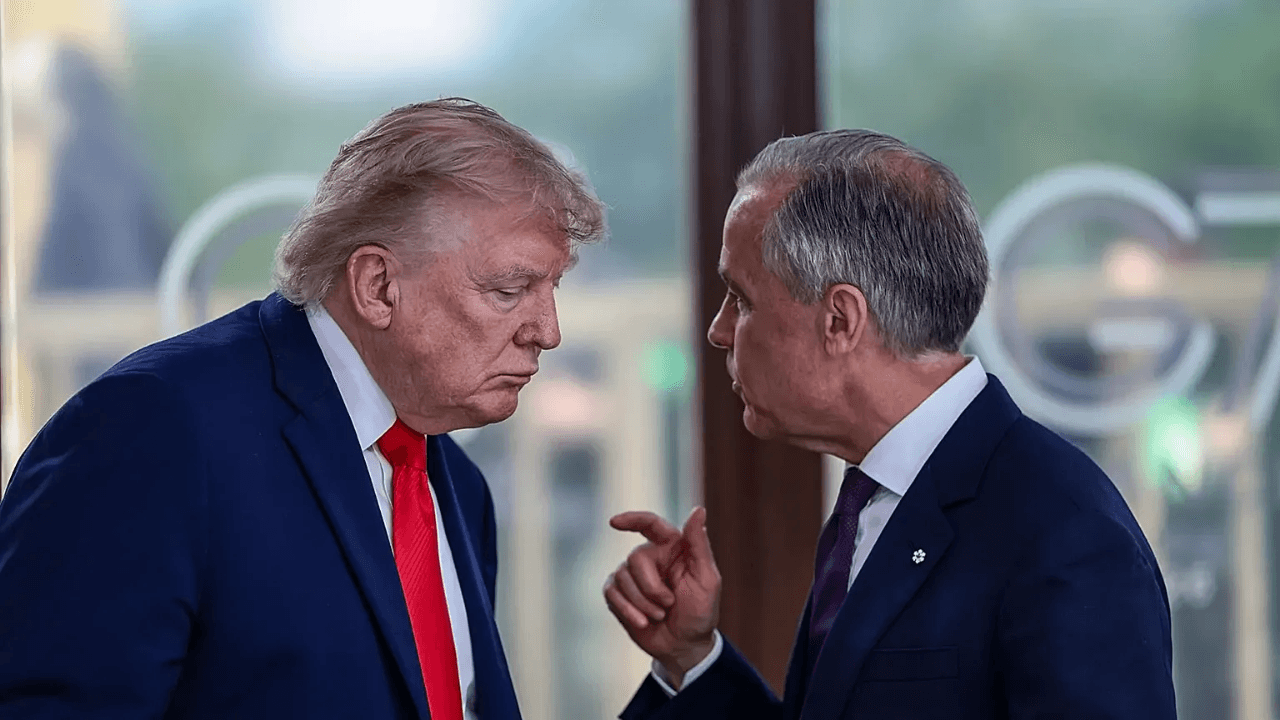
900 Billion Dollar Showdown: U.S.-Canada Trade War Intensifies

Iran War: US Troops Injured as Markets Braces for Impact

Bessent's Intervention: Nigeria's Shockwave Across Asia Markets

US Sanctions on Iran: A Blow to Crypto Markets?
Latest Market News
All News →
MicroStrategy’s $2 Billion Capital Move: USD Cash Pot and Bitcoin Treasury

ABC vs FCC: The Final Showdown Over Deregulation and the Future of Media Giants

Zillow and Redfin Reach FTC Settlement: A New Regulatory Chapter for PropTech

Pakistan Forces Crypto Firms into September 5th Licensing Deadline: Unpacking the New Regime

SEC’s Probe into AI Hedge Fund Near-Implosion: What It Means for Markets