Trump's Disaster Aid Politics: U.S. Regional Economic Fault Lines Exposed
ABD'de felaket yardımı taleplerinin onaylanması süreci, Trump yönetiminde belirgin bir siyasi çizgiye dönüştü. Son verilerle, cumhuriyetçi (Republican

The approval process for disaster aid requests in the U.S. has become starkly partisan under the Trump administration. Data shows 80% approval rates for Republican-led states and just 60% for Democratic-led states. The disparity is even more pronounced by election results: Trump approved 76% of requests from states that voted for him in 2024, but only 42% from opposing states. Average approval times have stretched to 1.5 months, far longer than under previous administrations. FEMA's new director, Cameron Hamilton, has pledged faster decisions and political neutrality. However, a Trump-appointed advisory panel has recommended reforms that would reduce federal aid and shift more responsibility to states. This policy reflects the U.S.'s political divide and could exacerbate economic burdens for opposition regions. How will markets react to this? Political partisanship in disaster aid processes may reshape the U.S.'s regional economic dynamics.
Markets are watching closely as this could create new vulnerabilities in politically sensitive areas, potentially impacting insurance markets and local economies.
Related News & Analysis
View All →
Walmart Stock Lags Nasdaq: What Drives the Drop?

NWSL’s 2027 Calendar Shift: A New Playbook to Attract Capital

Singapore’s $70,000 Child Support Package: Can It Stem the Nation’s Demographic Decline?
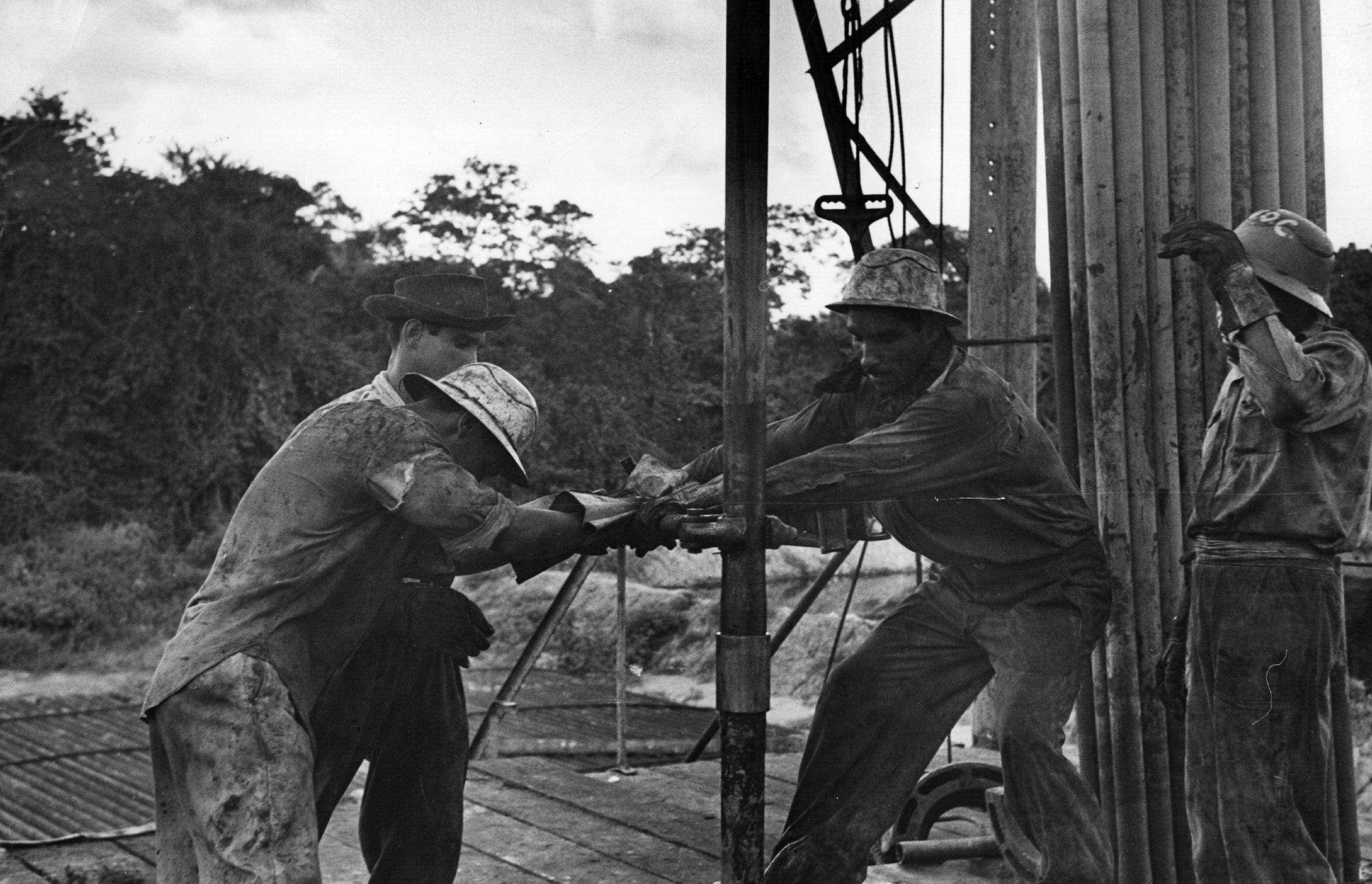
A New Era of Oil: U.S. Seizes Venezuela’s Crude, but the Stakes Remain High

PNC’s Address‑Change Letter Unveils Deed‑Theft Concerns

South Korea’s AI Boom Collides With an Aging Crisis: Consumption Growth in Jeopardy
Latest Market News
All News →
Trump: Venezuela Oil to Refill US Reserves – A New Chapter in Energy Strategy
Walmart Stock Lags Nasdaq: What Drives the Drop?
NWSL’s 2027 Calendar Shift: A New Playbook to Attract Capital

Samsun Çarşamba Airport Set to Expand Passenger Capacity to 3 Million
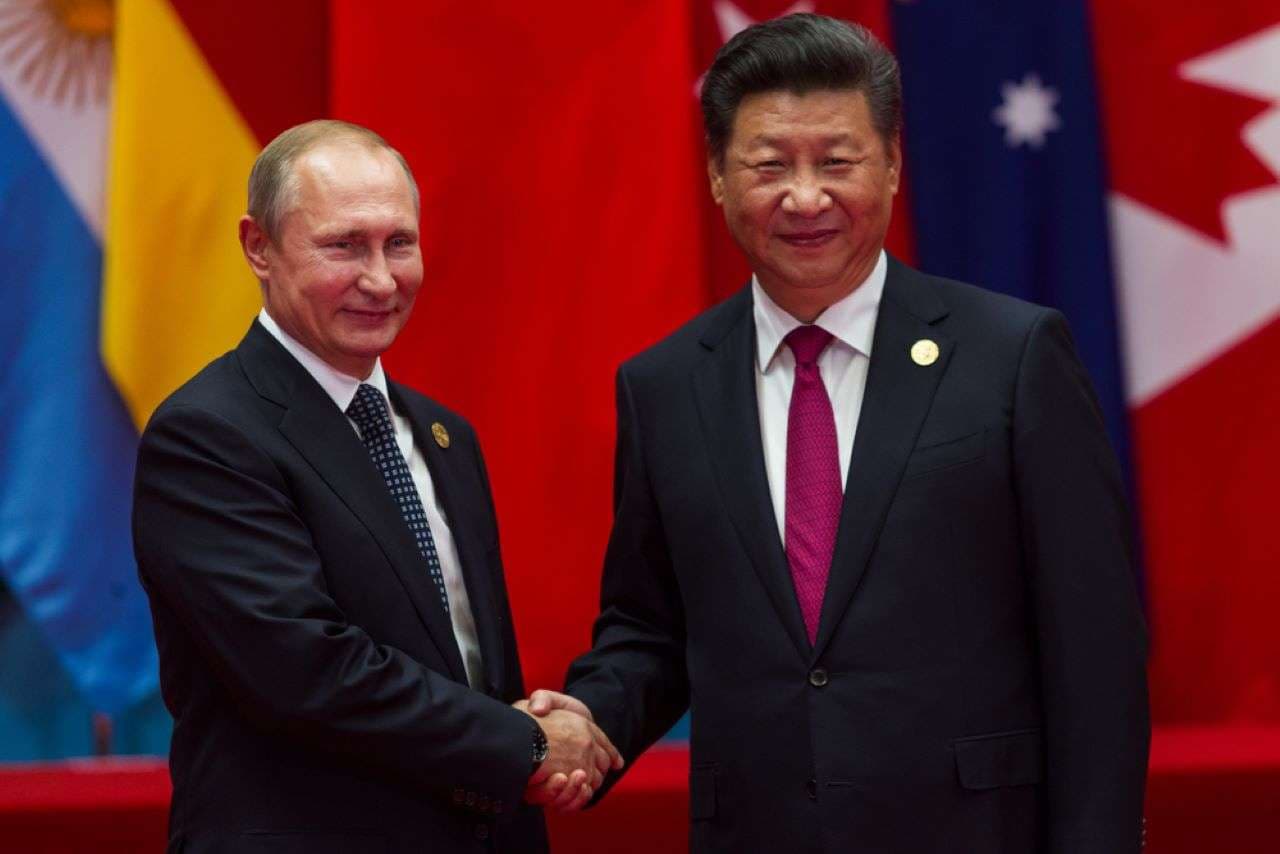
Moscow Deepens Dependence on Beijing: Strategic Shift Before Putin‑Xi Meeting