Should Antalya’s 1,120-Decare EXPO Area Become an Agricultural Campus? Economic Strategy Amidst Agricultural Decline
Saadet Partisi Genel Başkanı Mahmut Arıkan, Antalya'da yaptığı açıklamada ülkenin tarımsal üretim potansiyelinin ve ekonomik politikaların yetersizliğ
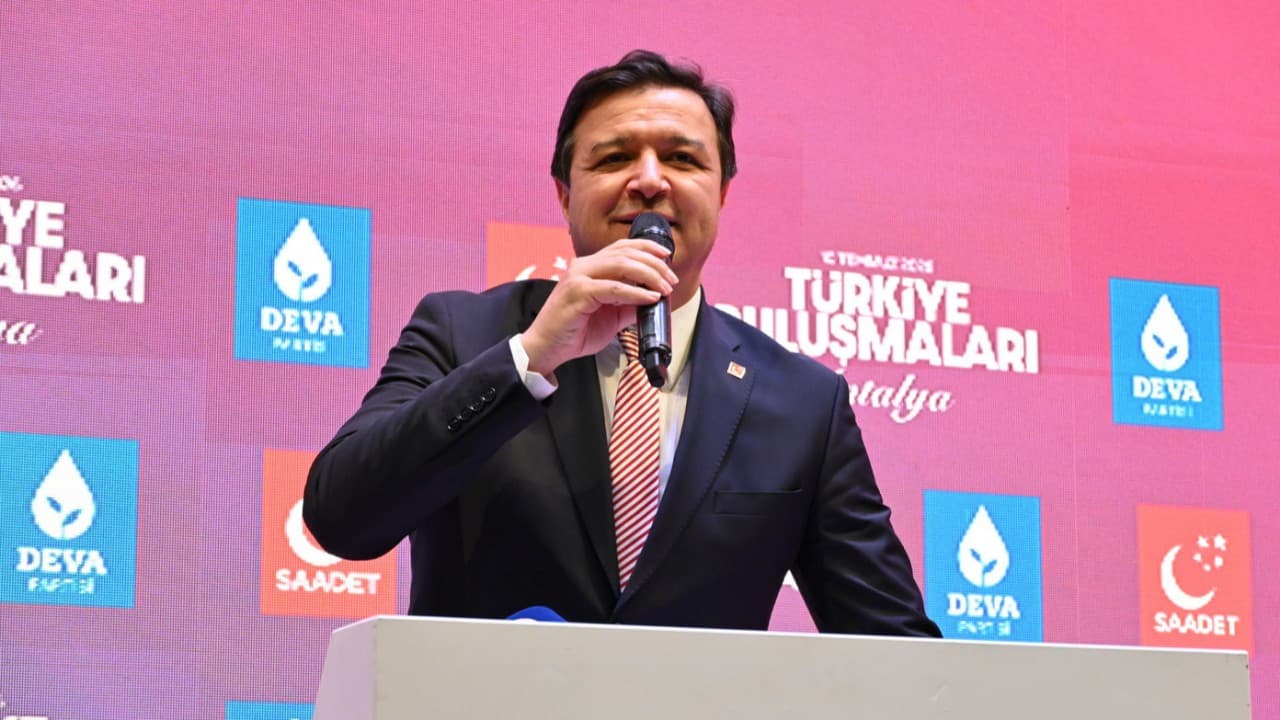
Saadet Party Leader Mahmut Arıkan emphasized during a speech in Antalya that Turkey possesses immense agricultural potential, particularly in regions like Antalya, which boasts an annual agricultural export value of approximately $1.5 billion. He argued that the country's economic challenges stem not from resource scarcity but from flawed management approaches, highlighting the struggles of farmers who now prioritize minimizing losses over maximizing production.
Farmers Under Pressure: From Profit to Survival
Arıkan pointed out that despite being global leaders in pistachio, almond, and hazelnut production, Turkish farmers face significant losses due to rising input costs—fertilizers, pesticides, and fuel. He contrasted the 98 billion TL allocated for agricultural support in the first five months of 2026 against the 1.262 trillion TL spent on interest payments during the same period, underscoring a policy imbalance favoring debt servicing over productive investments.
Repurposing the EXPO Site: A Hub for Agricultural Innovation
The proposal to transform the underutilized 1,120-decare EXPO area into a comprehensive agricultural campus includes plans for research centers, agricultural faculties, and vocational schools. This initiative aims to address systemic issues in agricultural financing and accessibility, ensuring that tourism revenues benefit local producers and artisans rather than being concentrated among large corporations.
Rüzgar Ersoy’s Analysis: The lack of strategic focus on agricultural development reflects broader inefficiencies in public financial mechanisms. Integrating digital payment solutions and agri-tech innovations within this proposed campus could enhance supply chain transparency and farmer welfare. However, banks must recalibrate their net interest margins (NIM) and capital adequacy ratios (CAR) to prioritize inclusive financing models that support sustainable agricultural growth.
Related News & Analysis
View All →
BİM’in Stratejik İndirimleri: Pazar Payını Artırmak mı, Müşteri Sadakatini Güçlendirmek mi?
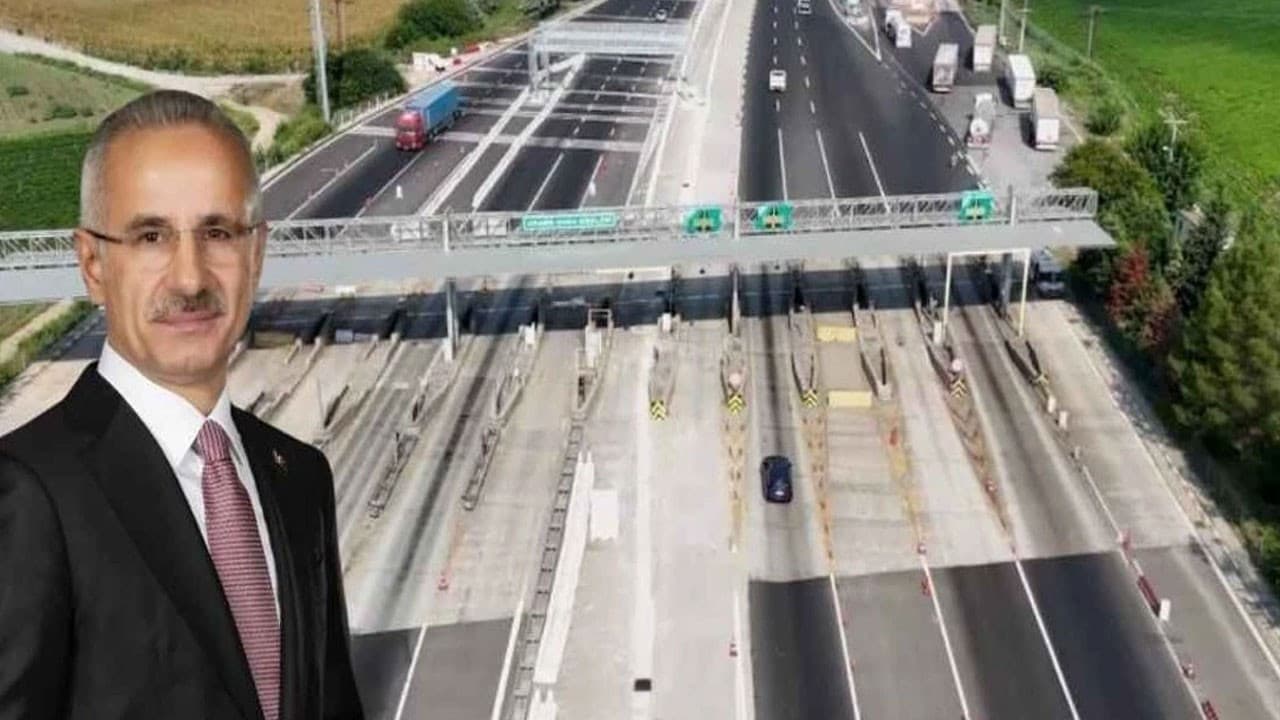
Ankara’s Free‑Pass System: No More Toll Queues, Traffic Speeds Up

Turkish Women's Volleyball Team Sweeps Hungary 3-0, Completes a Perfect 3-3 Run

US Launches Economic D-Day on Iran: Global Sanctions Surge
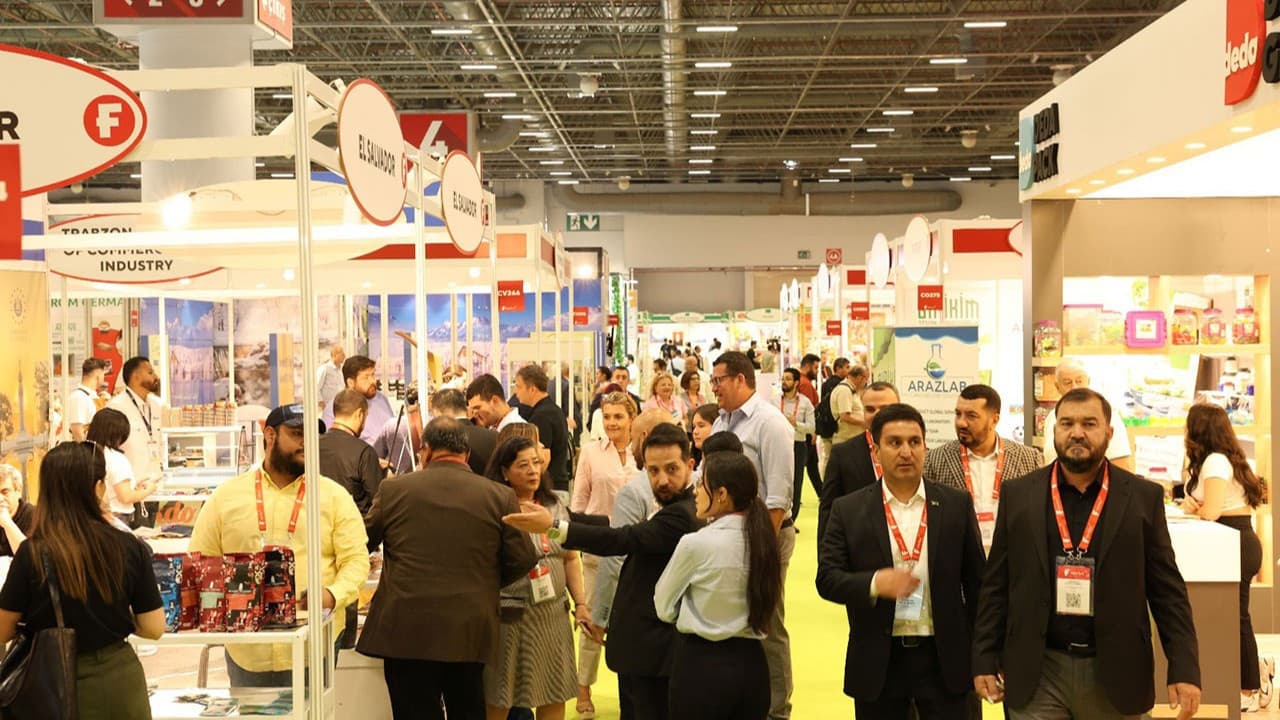
F Istanbul 2026: Revamping Food Exports with 620-Firm B2B Platform

European Markets Close Mixed: Investors Grapple with Rising Uncertainty
Latest Market News
All News →
Bitcoin Smashes Weekly Record, Nearing the $80K Milestone

Bitcoin Hits $78K: Saylor's Strategy Turns Green as Crypto Markets Record Historic Week

Amazon's Hardware Price Surge: Memory Shortage Sends Shockwaves Through Markets

CFTC's Military Prediction Market Case: Polymarket Scandal and Regulatory Clash

Coinbase Launches Tokenized Stocks on Base, Expands DeFi Horizons