Hormuz Shock Rocks European Energy Markets: Natural Gas Prices Surge
724FinanceZeynep Kaya
Key Highlights
Avrupa doğal gaz piyasaları, Hürmüz Boğazı’nın ne zaman trafiğe açılacağına dair süregelen belirsizliğin yarattığı arz endişeleriyle yeni haftaya sert
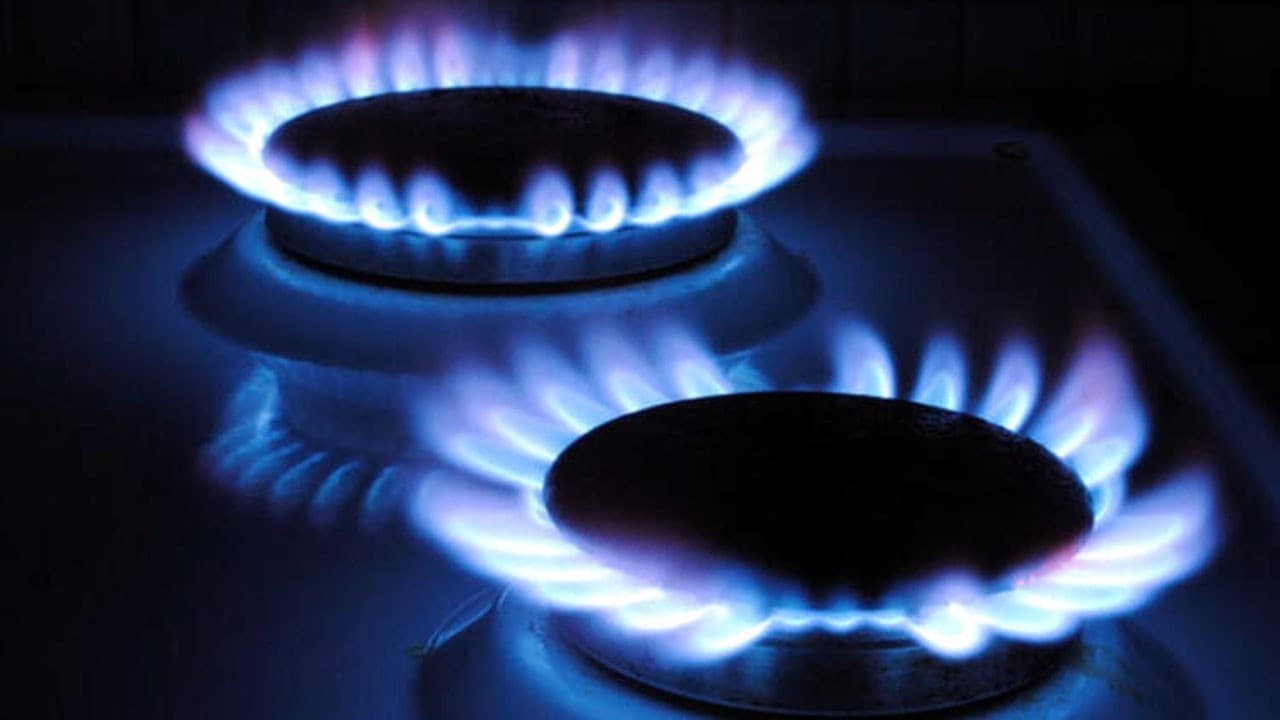
European natural gas markets started the new week with a sharp surge, driven by supply concerns stemming from the ongoing uncertainty regarding when the Strait of Hormuz will reopen to traffic. The fragility this geopolitical tension creates in energy supply chains has accelerated investors' search for safe havens, exerting upward pressure on valuations across the continent.
Sharp 5% Jump in Dutch TTF
According to ICE exchange data, the front-month natural gas contract at the Netherlands TTF, Europe's benchmark natural gas market, posted a significant gain during intraday trading. The contract rose to 58.34 euros per megawatt-hour, representing a 5% increase over the previous close. This rise resonates in markets as the clearest indicator that volatility in energy costs persists.Parallel Movement in UK Markets
The upward trend seen in Continental Europe spilled over into UK markets as well. Near-term natural gas contracts in the UK followed a similar trajectory, recording a 5.1% increase. In light of these data, it is evident that the total intraday increase in both of Europe's key natural gas indicators surpassed the 5% mark.Concerning Picture in Storage Fill Rates
Underpinning the price increase is the weakness of stock levels compared to last year. The total fill rate of natural gas storage facilities in EU member countries stood at 58.94% as of yesterday. This figure is notably below the 71% fill rate recorded in the same period last year. This gap in storage levels stands as a fundamental factor fueling concerns regarding supply security as the winter months approach.Such sudden price fluctuations in energy markets act as a direct inflationary trigger that impacts individual wealth management beyond macroeconomic data. Every 5% increase in natural gas prices drives up industrial costs and consequently the producer price index, reflecting on consumer inflation. Individual investors and savers should hedge their portfolios against such energy volatility by turning to inflation-protected instruments to prevent the erosion of their cash assets.
Related News & Analysis
View All →
Israel Rejects $17 Billion Defense Funding Request: Fiscal Discipline Meets Strategic Risks

New Monitoring Value for Mobile Phone Imports: Price Hike from $200 to $250

Treasury's Debt Maneuver: Tomorrow's Dual Auctions to Test Market Pulse

Vakıf Katılım Posts Q2 Net Profit of TRY 5.2bn – Balance Sheet and Growth Review

From Merinos IPO to Interest Rate Dynamics: Forces Shaping the Weekly Market Route

Construction Cost Index Surges Near 30% YoY: Inflation and Demand Shock
Latest Market News
All News →
Industrial Production Up 1.9%: High-Tech Surge and Export Mix Shift
US Import Cargo Slows Post-August: Seasonal Shift and Market Impact

Harvard Historian Jill Lepore Warns of Silicon Valley's 'Artificial State'

Bitcoin Holds Above $65,000 as Iran-Oman Deal Eases Hormuz Strait Fears