
Bangladesh as a Nuclear Power Test Case for Emerging Markets
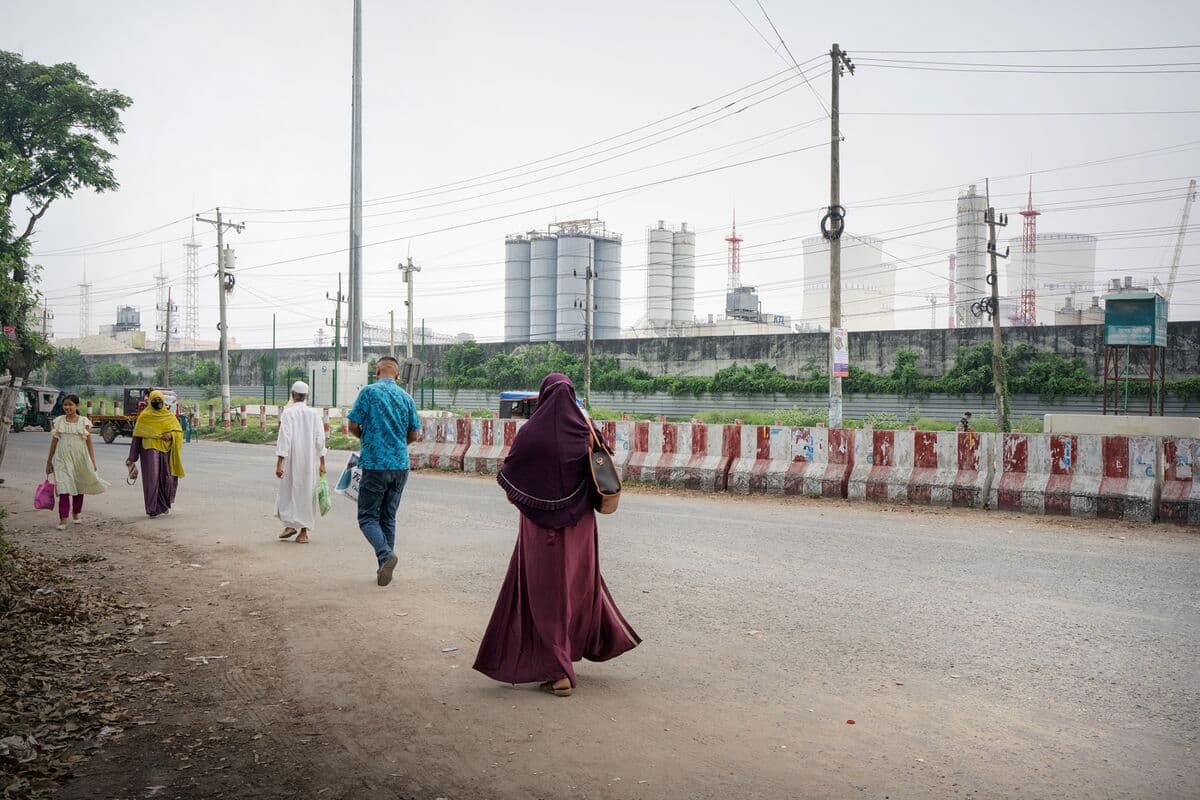
Bangladesh is stepping into the international nuclear energy arena with strategic moves to address energy stability in rural areas and urban population growth. While announcing the progress of the Rooppur Nuclear Power Plant, the country faces a complex risk-reward balance with external borrowing mechanisms and technology transfer agreements. The total investment cost of 12 billion dollars, combined with limited IMF financing under conditional terms, highlights the challenges ahead. Japan and Russia are competing for the project, but high credit risks and external dependency rates exceeding 35% have raised concerns among rating agencies like Moody's and S&P. The government's fire prevention measures and climate crisis responses further complicate the energy infrastructure's resilience. According to the Asia-Pacific Energy Council, the target of 5 GW nuclear capacity by 2030 remains contentious due to local employment and technology transfer processes.
Nuclear Ambitions Under the Shadow of Economic Realities
Bangladesh is expected to create a 15% shock in energy supply, but the credit risks and high external dependency levels are seen as significant risk factors. The Asia-Pacific Energy Council reports emphasize the urgency of addressing vulnerabilities in the energy sector. Local job creation and technology transfer processes are still under scrutiny, with critics arguing that the country's energy policies could lead to a risky model of external dependency.
Regional Dynamics and Energy Security Implications
Markets view this not just as a geographic development but as a reflection of the quest for energy stability in emerging economies. Bangladesh's nuclear journey may symbolize broader trends, yet its reliance on external technology and credit structures feels more like a 'test case' than a sustainable blueprint.