Bank of Italy Finds Stablecoin Transfers Struggle to Beat Traditional Remittance Costs
724FinanceCem Talu
Key Highlights
İtalya Merkez Bankası (Banca d'Italia), stablecoin'lerin sınır ötesi para transferlerinde geleneksel yöntemlere göre maliyet avantajı sağlayıp sağlama

The Bank of Italy (Banca d'Italia) disclosed the results of a mystery‑shopping test aimed at measuring whether stablecoins deliver a cost advantage over traditional cross‑border money transfers.
Inside the Mystery‑Shopping Experiment: Design and Methodology
The test involved 10 distinct Europe‑Asia routes, sending an identical €5,000 amount via both stablecoin (e.g., USDC, USDT) and conventional bank wire. A third‑party observer recorded processing time, FX rate, and total fees for each method.Unexpected Cost Realities: Fees, Spreads, and Banking Rails
Market Players React: Strategic Re‑Assessment
Fintech firms and crypto exchanges are urging tighter liquidity agreements, while traditional banks accelerate low‑cost digital channel roll‑outs. Digital‑only banks such as Revolut, Wise, and N26 are steering clear of positioning stablecoins as a cheaper alternative in their marketing.Regulator’s Takeaways and Policy Recommendations
Banca d'Italia highlighted a transparency gap in the stablecoin ecosystem and recommended:Cem Talu – Blockchain researcher and crypto investor: The findings underscore that stablecoins are not yet the “cost miracle” many tout; infrastructure and liquidity frictions inflate their real‑world pricing. Investors should evaluate not just token price but the economic efficiency of the underlying network. Regulatory action could pave the way for a more competitive, transparent ecosystem, yet traditional banks’ digital transformation will remain a decisive advantage in the interim.
Related News & Analysis
View All →
Perpetual Futures: Crypto Innovation Pulls Real-World Assets In

Americans Turn Skeptical of Artificial Intelligence: Gallup's Latest Survey

SEC Reopens Review of Nasdaq Bitcoin Options After CME Challenge

Solana Foundation Warns AI Is Supercharging Crypto Scams

Crypto PAC Injects $1 Million into Michigan House Race

Bitcoin Mining Difficulty Slides 14% as Revenues Collapse, Operators Pivot
Latest Market News
All News →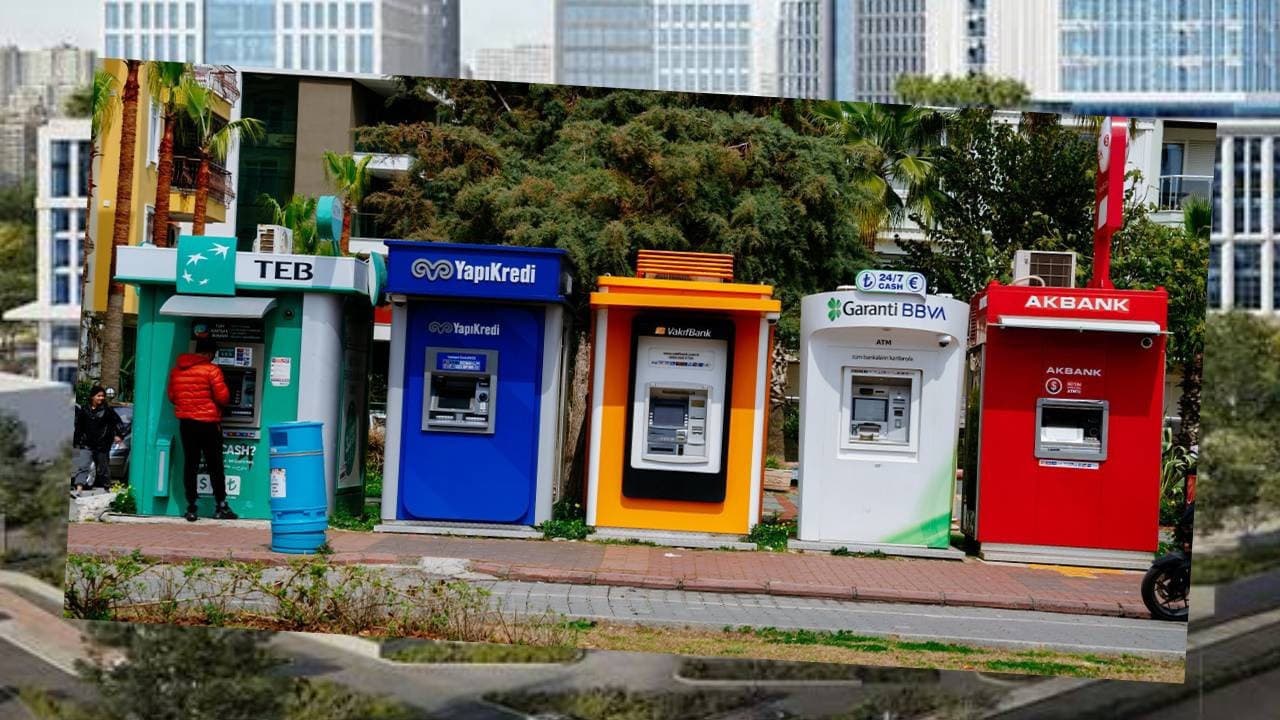
Turkey's Most Valuable Banks: Market Cap Peaks at $24 Billion

Staveley's Saudi Consortium Secures 25.1% Stake in West Ham After Deal Collapse

Shrinking Traffic in the Strait of Hormuz: The Tipping Point for Global Oil Flows

AI Data Centers Turn Skilled Trades into Six-Figure Goldmines

Istanbul Airport's Fourth Runway Nears Operational Milestone: A New Era for Turkey's Aviation Economy