Hormuz Strait Crisis: How It's Disrupting Global Energy Markets
Hürmüz Boğazı'nın ABD ve İran arasındaki gerilim nedeniyle stratejik bir kırılganlık noktasına dönüşmesi, küresel enerji piyasalarını derinden etkiliy
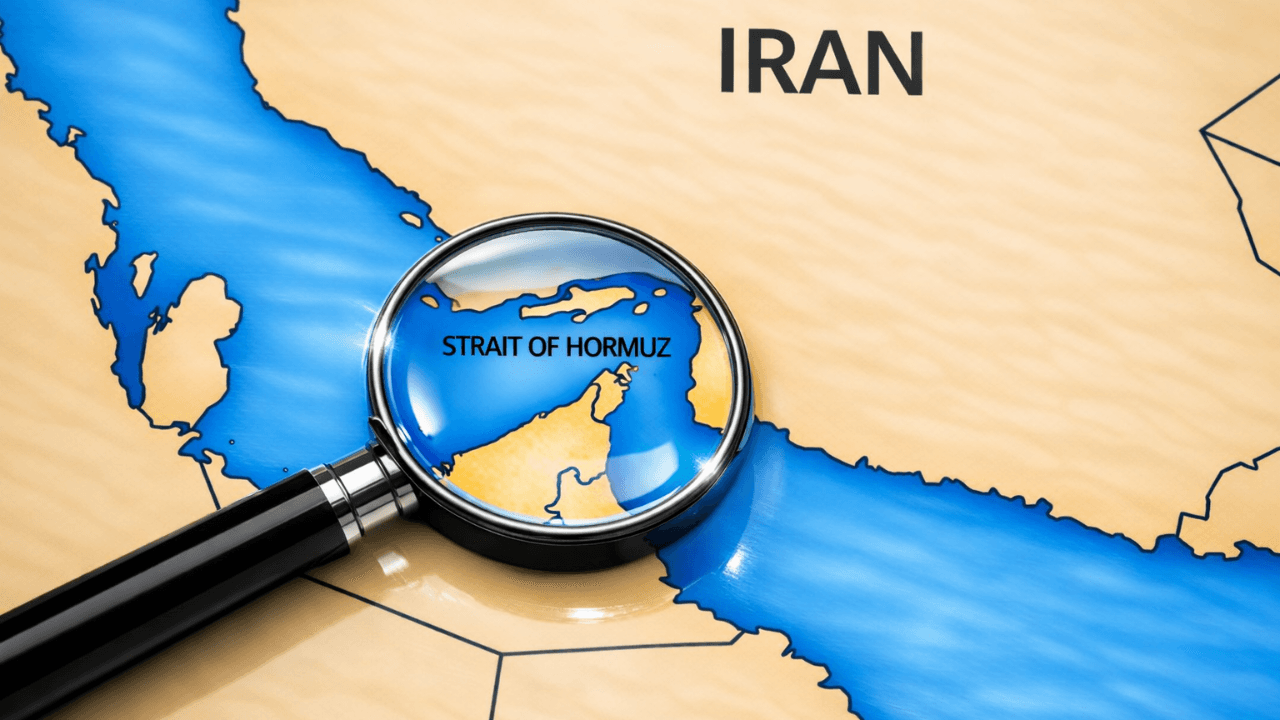
The strategic vulnerability of the Hormuz Strait, exacerbated by tensions between the U.S. and Iran, is deeply affecting global energy markets. U.S. sanctions on Iran and Iran's retaliatory military movements are threatening oil and gas shipments, driving up prices. Rising Brent prices are fueling inflation by increasing industrial production costs, while impeding global central banks' interest rate cut policies. Iran's financial isolation and riyal devaluation are crippling its economy, with budget instability becoming a chronic issue. This situation is reshaping global trade routes and signaling the onset of a new era of economic fragmentation. How will markets react to these structural risks? Asian markets are experiencing shocks in oil futures, while global growth forecasts face significant downward revision risks.
Related News & Analysis
View All →
Banks Ignite Competition with Retirement Bonuses Up to 90K TL

Anadolu Efes Shakes Up the 850 Billion Dollar Beverage Titans

e-Devlet Portal Sparks Digital Revolution in Rental Contracts: Legal Framework and Market Implications

Bank Interest Rates Surge: How 500 kTL Yields 13,892 kTL in 32 Days

JDPower’s 2024 Reliability Rankings: US Giants Missing the Cut
Allianz in Talks to Acquire AA, a UK Roadside Assistance Giant
Latest Market News
All News →
Trump: Venezuela Oil to Refill US Reserves – A New Chapter in Energy Strategy

Walmart Stock Lags Nasdaq: What Drives the Drop?

NWSL’s 2027 Calendar Shift: A New Playbook to Attract Capital

Samsun Çarşamba Airport Set to Expand Passenger Capacity to 3 Million
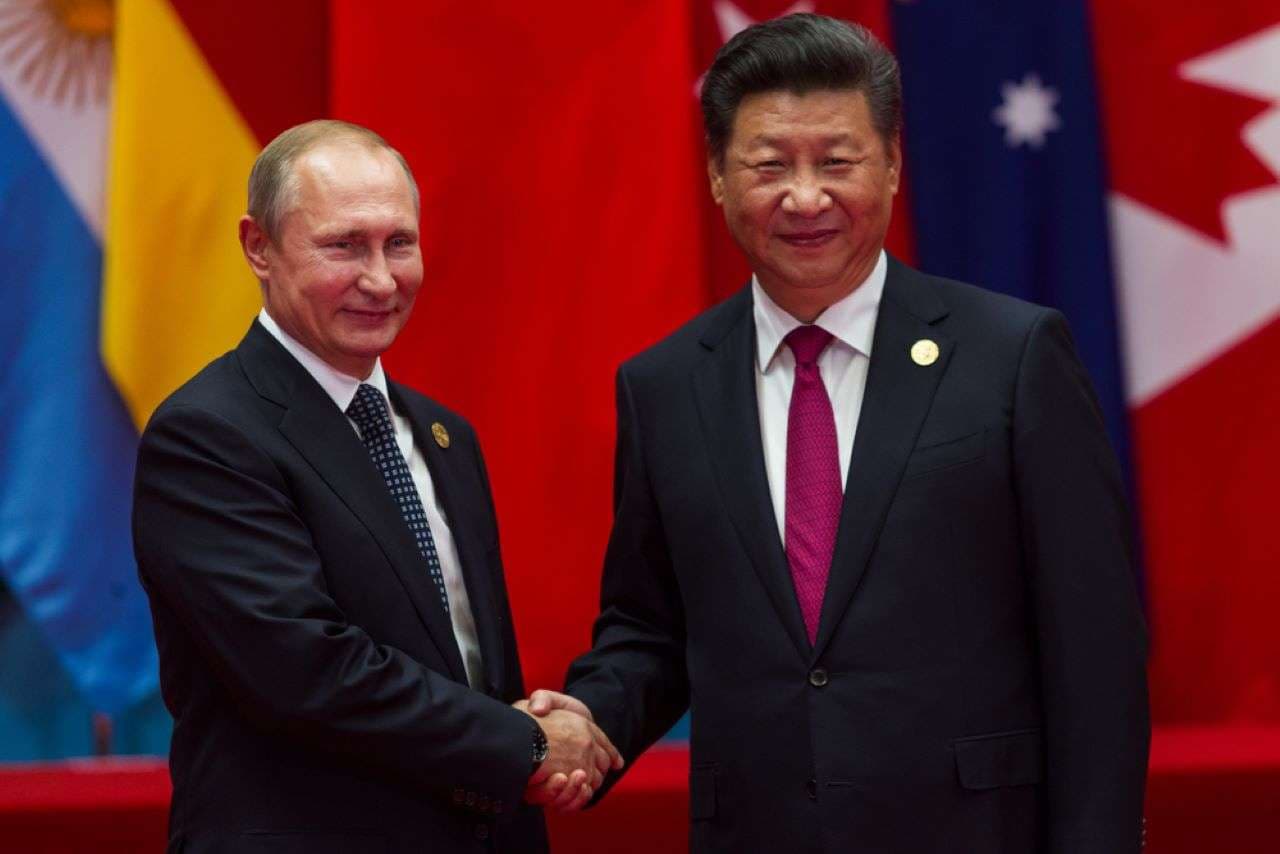
Moscow Deepens Dependence on Beijing: Strategic Shift Before Putin‑Xi Meeting