
Surging Oil Prices Spark Renewed Inflation Fears and Potential Interest Rate Hikes
Petrol fiyatlarındaki son artış, küresel piyasaları etkileyen önemli bir gelişme olarak öne çıkıyor. **Brent petrolün 80 doların üzerine çıkması**, ya

The recent surge in oil prices has become a significant development affecting global markets. The rise of Brent crude above $80 per barrel has sparked concerns among investors and raised expectations of potential interest rate hikes. This situation could have a ripple effect on the economy, particularly influencing mortgage and loan interest rates.
The increase in oil prices is linked to renewed tensions between the US and Iran, which could lead to disruptions in oil production and distribution, further driving up prices.
The 10-year yield (^TNX) has risen by approximately 6 basis points to 4.59%, indicating investors' shift towards higher interest rates. Additionally, the 30-year yield (^TYX) has climbed to 5.08%. These developments create expectations of economic slowdown while also increasing inflation concerns.
Despite UBS analysts predicting a decrease in interest rates in the second half of the year, current high inflation concerns suggest that interest rates are likely to remain high. This situation necessitates a balance in the economy.
In conclusion, the surge in oil prices is a critical factor that will not only affect energy markets but also have a broader impact on the global economy. Investors and economists must closely monitor these developments and assess their potential effects.
The Future of Markets and Interest Rates will directly be influenced by these oil price fluctuations, requiring investors and economic experts to conduct a careful analysis.
Related News & Analysis
View All →
TikTok Settles Children Privacy Lawsuit for $400 Million: Market and Regulatory Implications

2042 Target: Andy Burnham Aims to Bring Men’s World Cup Back to UK

30‑Year Treasury Yield Hits 5.27%: El‑Erian Warns of a Cost Shock for the United States
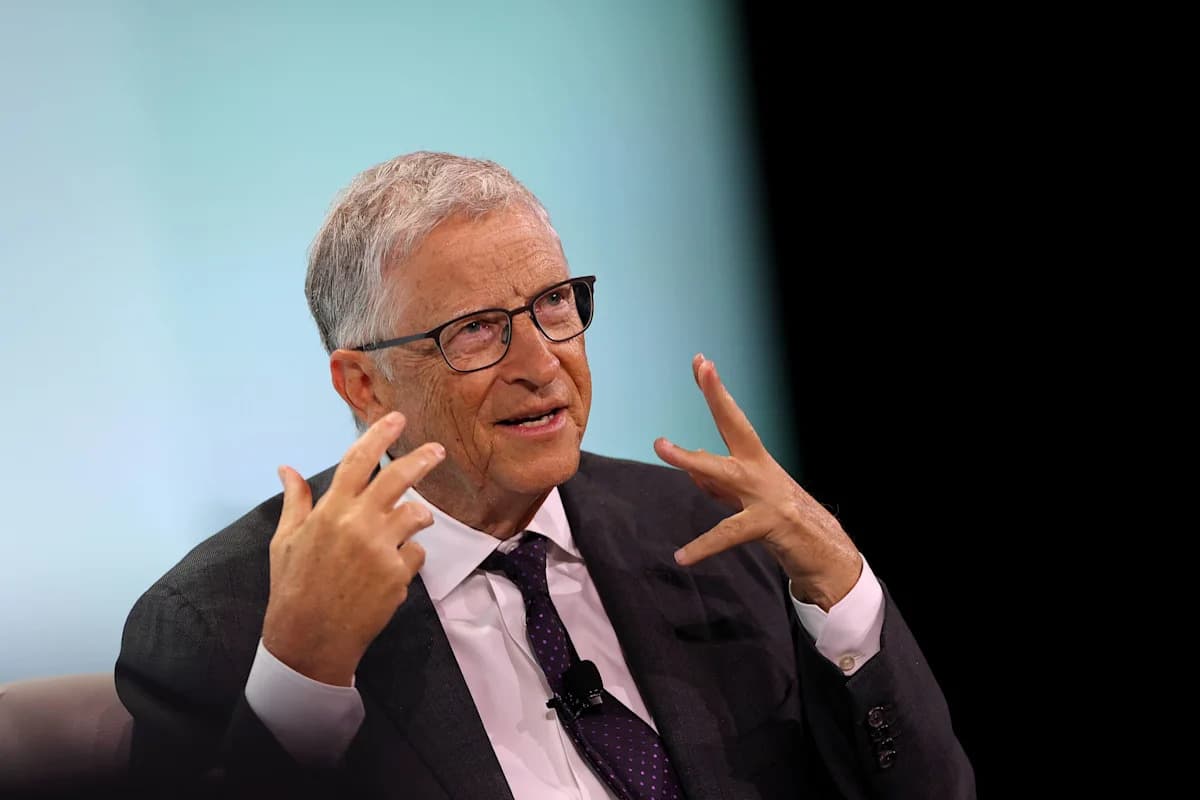
Gates Foundation Shifts $818M from Berkshire to Home Depot in Bold Portfolio Rebalancing

OpenAI Pushes California to Strengthen AI Safety Bill: Market Implications

China’s Lightning Robot Beats Bolt in 9.32 Seconds – Ripple Effects Across Chip and Robotics Markets
Latest Market News
All News →
Plowing Over Burning: Boosting Soil Fertility and Sustainable Agriculture
![[MEYSU] MEYSU GIDA SANAYİ VE TİCARET A.Ş.
Özel Durum Açıklaması (Genel) - Davaya cevap dilekçesi hk.](/_next/image?url=%2Fuploads%2Fkap-default.png&w=3840&q=75)
[MEYSU] MEYSU GIDA SANAYİ VE TİCARET A.Ş. Özel Durum Açıklaması (Genel) - Davaya cevap dilekçesi hk.

Sandbox Halts Base and BNB Smart Chain Bridges After Exploit

Tesla Leads Massive EV Recall Wave: Market Implications Unpacked

Canada to Mirror U.S. Tariffs: A New Chapter in the Trade Conflict