
Aging Population Challenges Test AI's Economic Promise
724FinanceKemal Tekin
Key Highlights
Martha Gimbel, Yale Üniversitesi'nde Bütçe Laboratuvarı'nın yönetici direktörü ve kurucu ortaklarından, ABD'nin aynı anda iki büyük geçişle karşı karş
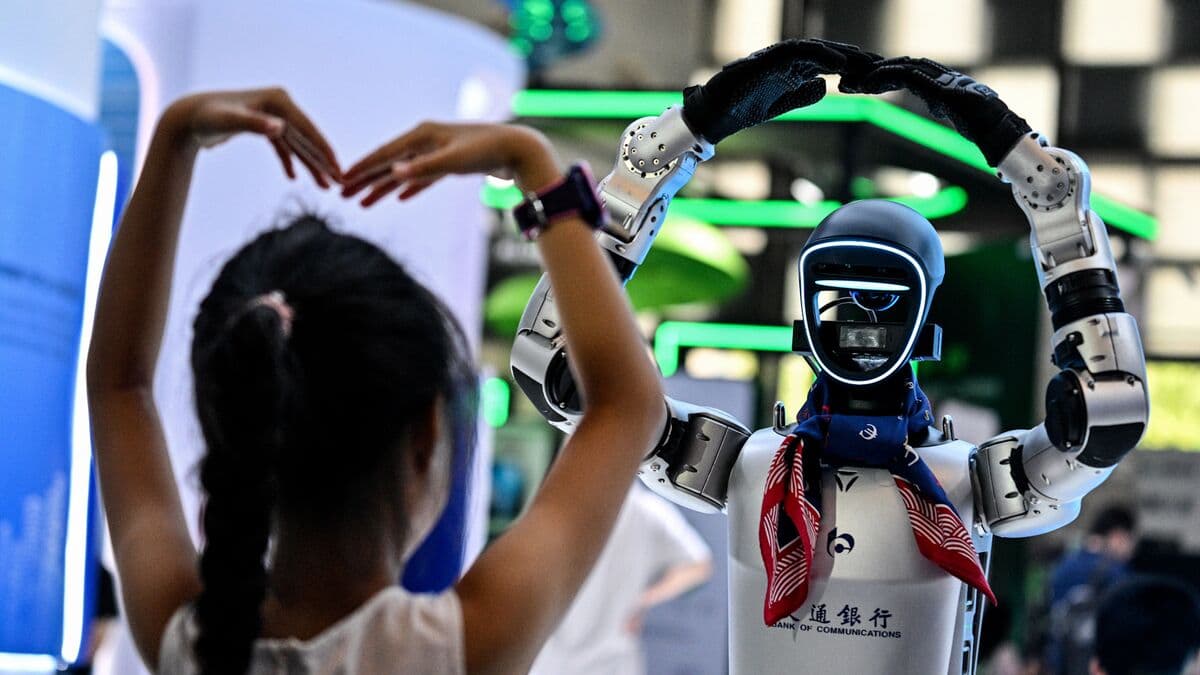
Martha Gimbel, executive director and cofounder of the Budget Lab at Yale University, emphasized that the US is facing two major transitions simultaneously rather than one solving the other. These transitions include the economic challenges posed by an aging population and the potential gains from artificial intelligence (AI). Gimbel noted that AI could boost productivity in certain sectors, particularly by assisting caregivers with physically demanding tasks, but questioned whether consumers would embrace automation in roles where human interaction remains essential.
Dual Transitions, One Economic Puzzle
Can AI offset the cost pressures of an aging population? The US economy grapples with rising retirement system payments and labor shortages, while tech expectations surge. Gimbel argued these forces do not directly offset each other, suggesting AI’s impact may remain sector-specific.AI's Productivity Role
Consumer Behavior and Automation
Gimbel highlighted that automation’s acceptance hinges on human interaction’s criticality in service sectors. In elderly-heavy services, AI’s influence may be constrained. This dynamic mirrors air freight and cargo logistics, where customer expectations for human touch in operations persist despite technological advances.While AI promises efficiency in global supply chains, human-centric logistics services remain irreplaceable. The rise of aging populations underscores this, as air cargo operations still rely on personalized customer engagement to meet evolving demands.
Related News & Analysis
View All →
Dolly Parton’s Business Innovation: Reshaping Her Music Empire

Enflame's $900 Million Shanghai IPO: A New Surge in China's AI Chip Arena

Cyber Assault Hits Boston Scientific: Operations Plunged into Chaos

US-Canada Trade Clash: 50% Tariff, Oil Left Untouched

Sweden’s Startup Surge: Lovable’s $400 M Funding Breaks Records
FDA Approves Daraxonrasib, A Potential Game-Changer for Pancreatic Cancer
Latest Market News
All News →![[YEOTK] YEO TEKNOLOJİ ENERJİ VE ENDÜSTRİ A.Ş.
Finansal Duran Varlık Satışı - Finansal duran varlık satışı](/_next/image?url=%2Fuploads%2Fkap-default.png&w=3840&q=75)
[YEOTK] YEO TEKNOLOJİ ENERJİ VE ENDÜSTRİ A.Ş. Finansal Duran Varlık Satışı - Finansal duran varlık satışı
[EMPAE] EMPA ELEKTRONİK SANAYİ VE TİCARET A.Ş. Finansal Duran Varlık Edinimi - Şirket Kuruluşu Hakkında
[BALAT] BALATACILAR BALATACILIK SANAYİ VE TİCARET A.Ş. Payların Geri Alınmasına İlişkin Bildirim - 26.08.2026 Tarihli Pay Geri Alımı Hakkında

Apple Unveils Foldable iPhone: A Tech Revolution with Market Implications

Japan Aims to Revolutionize Securities Trading with 24/7 Blockchain System
