
Breaking News
Pamukkale Forest Fire: Economic and Tourism Risk Assessment
724FinanceSavaş Yıldırım
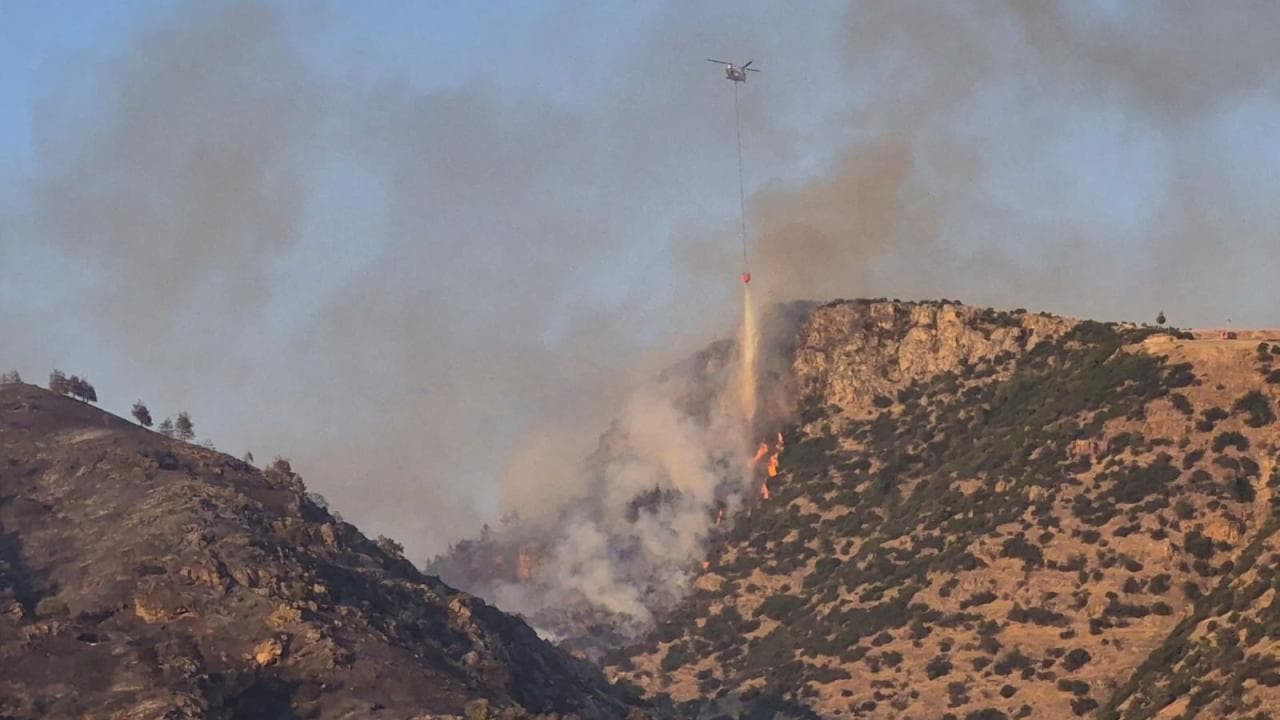
A forest fire erupted in the forested area near Pamukkale Örenyeri, a world-renowned tourism hub in Denizli, prompting urgent intervention by emergency services. While the full scope remains under assessment, concerns over the economic impact on the region are mounting. The fire threatens not only the immediate environment but also the livelihoods of communities dependent on tourism.
Tourism Sector at Risk
Pamukkale attracts millions of domestic and international visitors annually, drawn by its UNESCO World Heritage travertine terraces and thermal springs. The blaze, however, has raised alarms over potential disruptions to tourism activities. Key areas of concern include:Environmental and Energy Costs
The firefighting efforts, involving water tankers and aerial water-dropping systems, may temporarily strain energy consumption. While solar power plants in the region remain unaffected, long-term environmental damage could impact organic agriculture and nature-based tourism investments. The economic toll of such disasters often extends beyond immediate recovery costs, influencing insurance premiums and regional investment climates.Natural disasters like wildfires pose systemic risks to economies reliant on tourism. In Turkey’s tourism-heavy regions, such incidents can recalibrate risk profiles for international investors, potentially triggering market volatility. This event underscores the need for robust disaster preparedness and adaptive economic strategies in vulnerable areas.