
Turkey's Homegrown Deposit-Return System DOA: 30 Billion TL Economic Boost and 37,000 Ton CO₂ Savings
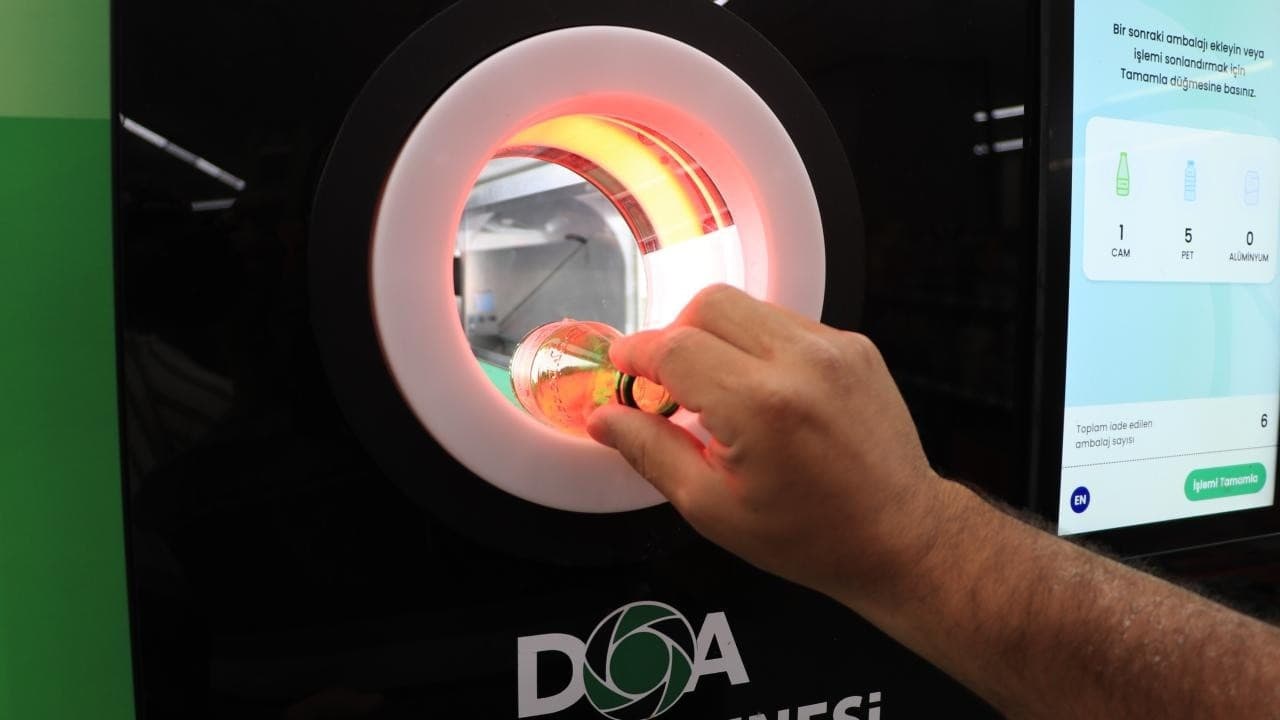
Turkey is steering its waste economy with a fully domestic deposit‑return system.
Sustainable Waste Loop: The Strategic Framework of DOA
Nurullah Öztürk, head of the Turkish Environment Agency (TÜÇA), announced that citizens returning plastic, glass and aluminium beverage containers bearing the DOA (Deposit Return) logo will receive a 1 TL incentive per item. The system integrates traceability and recycling processes using 100 % domestic technology, positioning Turkey as a global benchmark.
Economic Impact and Business Model
In its inaugural years, the scheme is projected to generate 30 billion TL in annual economic contribution, channeling billions of containers back into the economy. Upon reaching full capacity, the following key performance indicators are expected:
Export Potential and Competitive Edge
Öztürk highlighted plans to market the system and its associated machinery abroad, stating, “We are building the world’s largest deposit‑return system; in the next phase we will export this ecosystem.” This strategy could open a new revenue stream for Turkey’s environmental‑technology exports.
Enforcement and Compliance
Firms that are not integrated into the deposit system and dispose of waste in landfills will face penalties. This enforcement mechanism compels companies toward sustainable waste management, accelerating sectoral transformation.
The DOA scheme does more than deliver environmental benefits; it creates a fiscal upside for public finances. While incentive payouts impose a short‑term budgetary cost, the savings from reclaimed raw materials and export opportunities can yield a cumulative net positive impact of 10‑15 billion TL between 2028 and 2030. Accordingly, financing the program through long‑term tax credits or an environmental fund within fiscal policy is essential for sustainable growth.