
IMF: Domestic Stablecoins Could Bolster Digital Dollar Dominance
Uluslararası Para Fonu (IMF) üst düzey bir yetkilisi, yerel para birimine endeksli stablecoin'lerin, dolar destekli token'lara olan bağımlılığı azaltm
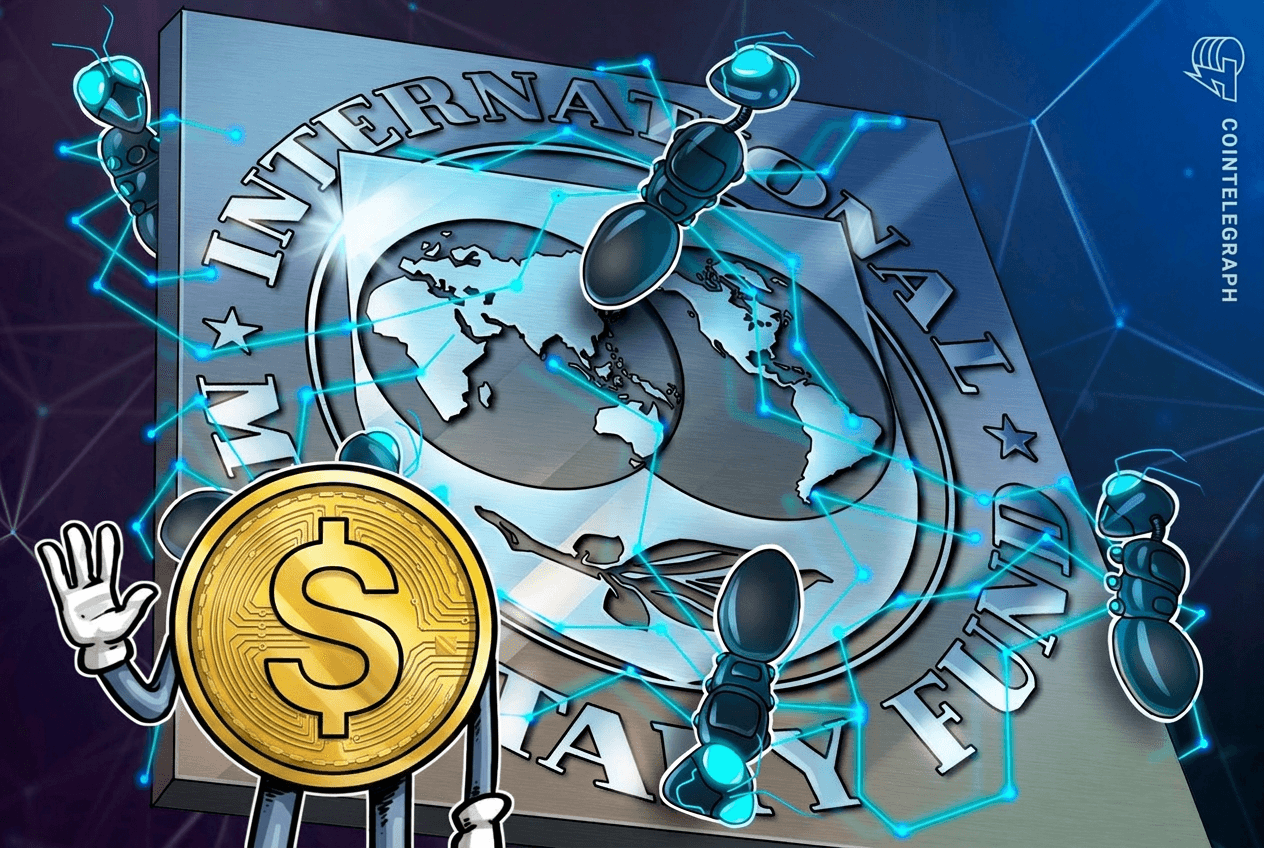
A senior International Monetary Fund (IMF) official has offered a surprising forecast, suggesting that domestic-currency stablecoins, intended to curb reliance on dollar-backed tokens, could instead make it easier for users to move funds into digital dollars.
The Unforeseen Bridge to Digital Dollar Hegemony
Dan Katz, IMF First Deputy Managing Director, stated that once local and dollar stablecoins operate on the same blockchain infrastructure, users can convert between them through decentralized exchanges (DEXs), liquidity pools, or peer-to-peer (P2P) swaps. This shift, he noted, could move foreign exchange (FX) activity away from traditional banks and currency dealers, thereby reducing the friction that provides authorities with tools to monitor and manage capital flows.
The Allure of the Dollar: Liquidity and Network Effects
While acknowledging it's too early to draw firm conclusions, Katz suggested that many users may favor dollar tokens. The primary reasons behind this preference include:
Using South Africa as an example, he pointed out that while dollar-backed stablecoins have gained limited traction, rand-linked tokens have attracted even less demand.
Varying Risk Landscapes and a Call for Regulatory Clarity
Katz highlighted that the risks associated with stablecoins vary by country. In highly dollarized economies, stablecoins may largely replace existing dollar holdings. Conversely, in countries where access to dollars is restricted and economic frameworks are weak, they could increase foreign-currency demand.
This development is poised to deepen the dollarization trend within the crypto ecosystem. Rather than empowering national currencies, the potential for local stablecoins to inadvertently solidify the digital form of the U.S. Dollar's global reserve currency status carries significant implications for tokenomics. Particularly for emerging markets, the risk of undermining local authorities' capital control mechanisms and increasing volatility in FX markets cannot be overstated. This situation necessitates close monitoring of the inflationary or deflationary pressures dollar-backed stablecoins exert on the market, especially concerning their supply-demand dynamics and unlock schedules. We are at a critical juncture for national sovereignty and monetary policy independence.
Related News & Analysis
View All →
Critical Security Alert from Bitcoin Lightning Network: Fund Drainage Risk in LND Infrastructure

Senate Opens First Gate for Crypto Regulation: The Clarity Act Roadmap
Bybit Secures Court Victory to Trace $1.5B North Korean Hack—A New Legal Milestone for Crypto

Trump‑Backed American Bitcoin Board Member Spurs Market With $2 Million Stock Purchase

US Tightens Iran Crypto Net: New Sanctions on Shelbit and Aban Tether

Polymarket's Five‑Second Gap: The Tactic That Drained Millions
Latest Market News
All News →
Borsa İstanbul Sees Contract Surge: BOBET and ALVES Lead 1 Billion Lira Business Flow

Turkey’s Ministry of Trade Unveils 107 Sectoral Market Reports for 80 Nations: A New Benchmark for Global Trade Intelligence
Lifetime Brands Revitalized by Tariff Refund, Aims to Overcome Logistics Bottlenecks

Political Storm Over North Sea Oil: UK's Energy Equilibrium Under Threat
Fed Chief Warsh’s ‘Less Guidance’ Gamble Puts Bond Markets to the Ultimate Test
