
The Real Inflation Threat Isn't in the CPI: Hormuz Strait Shutdown Risk Looms
Haziran Ayı CPI raporu, enflasyonun en büyük şokunu getirdi. Başlık enflasyonu %3.5 seviyesine düşürdü; ancak bu gerileme, özellikle enerji fiyatların
The June CPI report delivered the biggest inflation surprise of the year, with headline prices rising 3.5% year-over-year, down from 4.2% in May. However, this disinflation trend was largely driven by energy prices, as WTI crude oil fell 20.6% post-ceasefire. While the data suggests a potential peak in inflation, Moody's chief economist Mark Zandi warns that a shutdown of the Strait of Hormuz could reverse these gains. Stripping out energy, the core Personal Consumption Expenditures (PCE) price index rose 3.4% in May, its highest level since October 2023, signaling persistent underlying inflationary pressures. The 10-year Treasury yield climbed to 4.58% despite the cooling CPI, reflecting investor skepticism about a sustained decline. Meanwhile, gasoline prices dropped from $4.50 to $3.85 per gallon as oil prices retreated. Analysts highlight that tariff pass-through and tight labor markets are keeping core inflation above the Fed's 2% target. If geopolitical tensions escalate, the temporary relief from energy prices could evaporate, reigniting inflationary risks. Markets are particularly wary of supply chain disruptions and energy price volatility, which could amplify cost pressures across sectors.
Core PCE and Energy Dynamics: Inflation's Visible Face
Bond Markets and Geopolitical Risks: Divergent Signals
Defne Aydın: Markets are increasingly recognizing that inflation cannot be measured solely through technical indicators. A Hormuz Strait closure poses a significant risk, especially for energy-dependent European economies. The ECB's monetary policy must adapt to address such geopolitical shocks, while tariff policies and labor costs continue to underpin core inflation. This environment demands heightened vigilance from investors amid potential volatility.
Related News & Analysis
View All →
Global Bond Sell-Off Intensifies as Inflation Fears Surge

Magna Boosts Battery‑Swap Play in India with $87 Million Stake in Yuma Energy
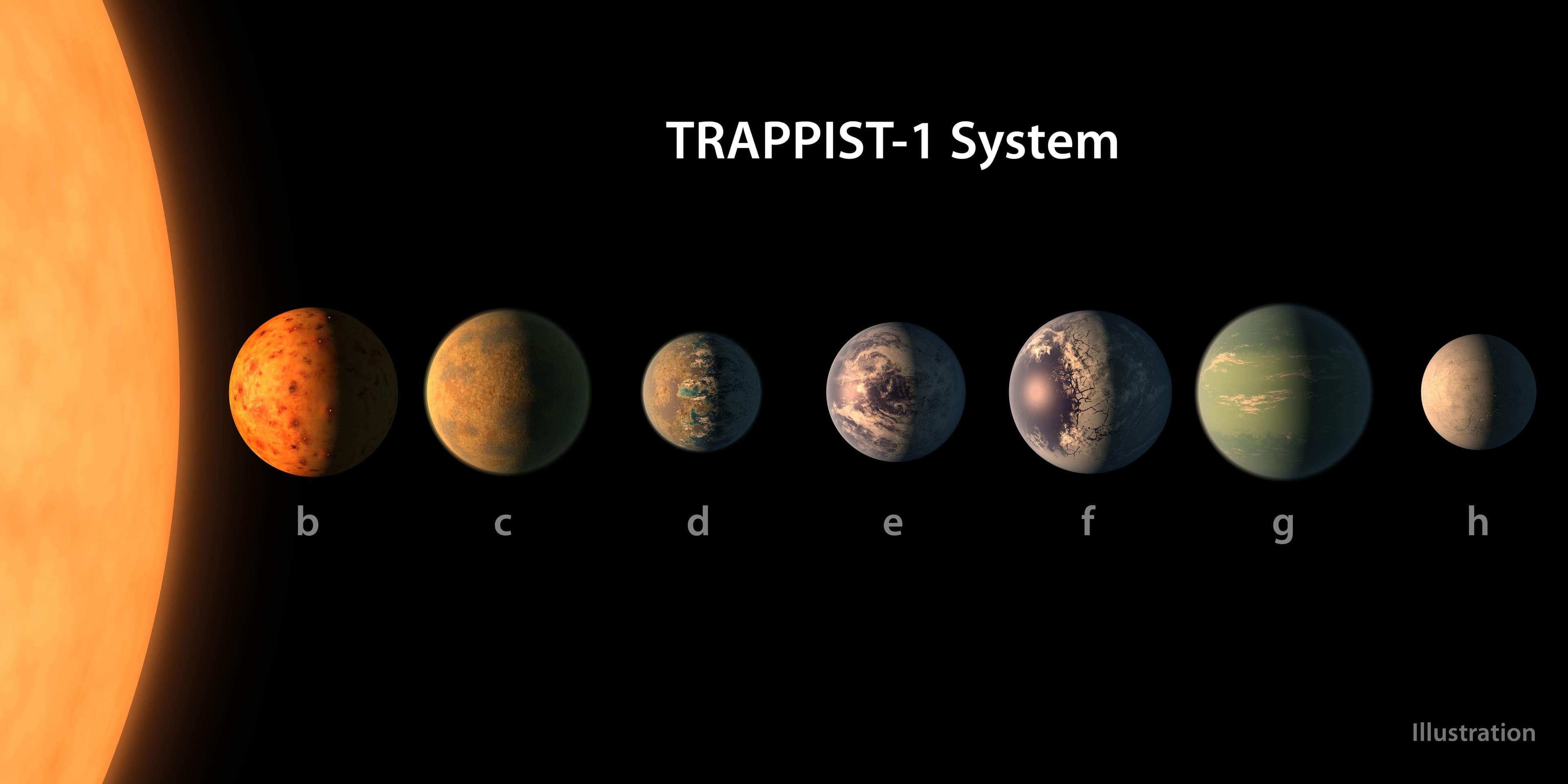
NASA's Roman Space Telescope: Search for Life in the Milky Way

AI Revolution: Big Law Firms Forced to Cut Fees Amid Tech Shift
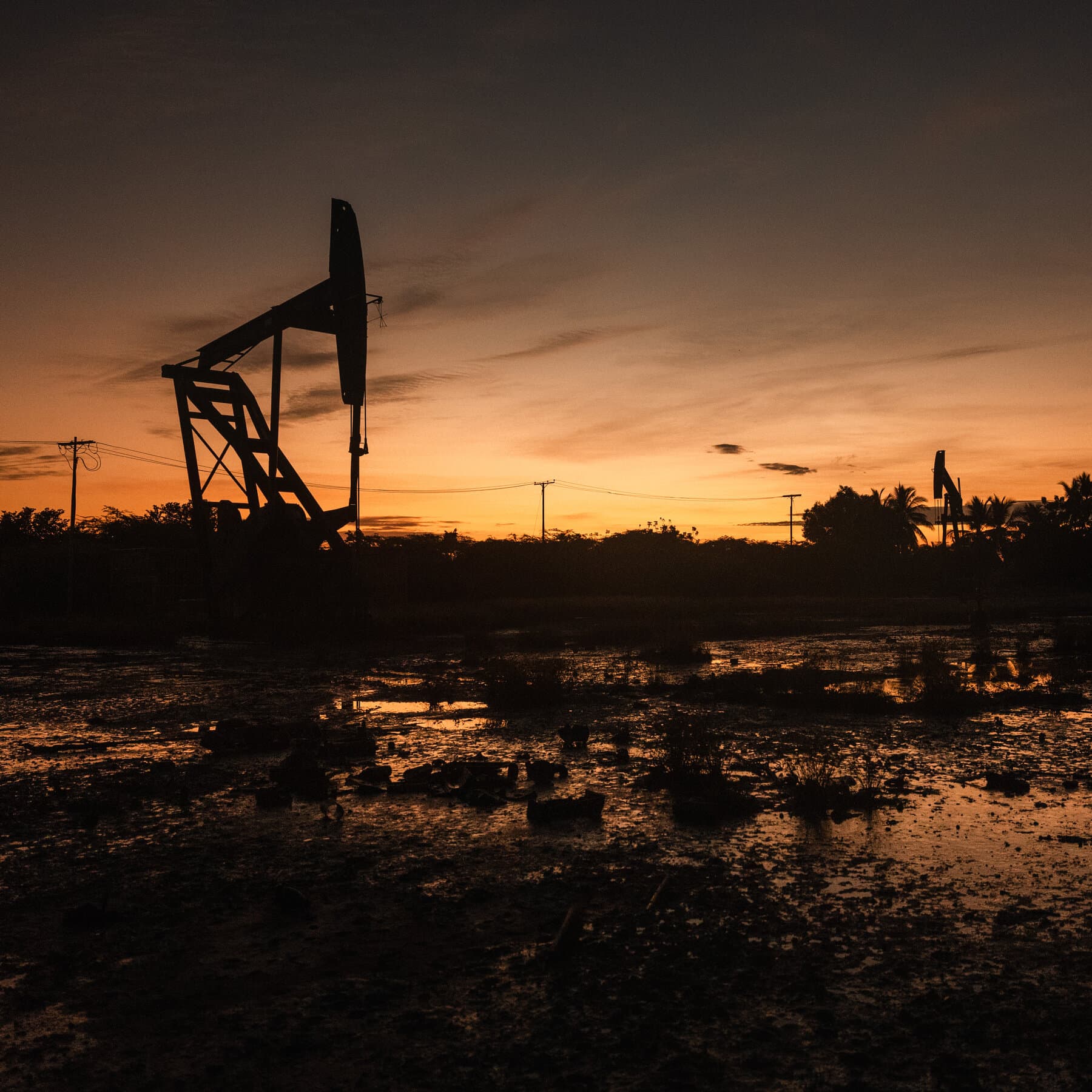
Pentagon's Foray into Venezuelan Oil Business: A New Era for U.S. Energy Strategy

Alteon's Year-Long Flight Ambition Backed by Investor: Revolutionizing Aviation Energy Efficiency
Latest Market News
All News →
BORSA İSTANBUL A.Ş. Endekslerde Kullanılan Fiili Dolaşımdaki Pay Oranı Değişiklikleri / BJKAS, CWENE, DGNMO, EFOR, GIPTA, GUNDG, OZATD, PASEU, TMPOL - -
[KATVK] KATILIM VARLIK KİRALAMA A.Ş. İhraç Tavanına İlişkin Bildirim / ANFIN - Kira Sertifikası İhraç Tavanı SPK Başvurusu
BORSA İSTANBUL BISTECH DEVRE KESİCİ UYGULAMASI Pay Bazında Devre Kesici Bildirimi / CANTE - CANTE.E işlem sırasında Pay Bazında Devre Kesici Uygulaması devreye girmiştir
[GZNMI] GEZİNOMİ SEYAHAT TURİZM TİCARET A.Ş. Pay Dışında Sermaye Piyasası Aracı İşlemlerine İlişkin Bildirim (Faiz İçeren) - TRFGZNM92617 ISIN kodlu borçlanma aracının itfa ve kupon ödemesi
Swiss Life's Profitable Contraction: The Paradox of Workforce Reduction Amidst Financial Strength