
AI and Mental Health: A New Benchmark for Clinical Impact
Yapay zekânın insanların zihinsel sağlığını değerlendirmede kullanılan Minimal Kliniksel Önemli Fark (MCID) yöntemini nasıl dönüştürdüğü tartışılıyor.

The transformation of the Minimal Clinically Important Difference (MCID) technique in evaluating the impact of artificial intelligence on human mental health is under scrutiny. Dr. Lance Eliot, a renowned AI scientist, emphasizes that these methods play a critical role in assessing individual-perceived improvements compared to traditional clinical metrics. In his analysis for Forbes, Eliot highlights potential risks of AI-managed tools like the PHQ-9 questionnaire, warning that generic AI interpretations may invalidate users' self-perceived progress. He describes the widespread use of AI in mental health as a 'grandiose experiment,' stressing the need for careful design in sensitive applications.
Digital Evolution of MCID Techniques
Integration of AI in Psychotherapy
Captain Riza Deniz Note: AI's entry into healthcare via low-cost solutions may contribute to global inflationary pressures. However, improper implementation of methods like MCID could threaten the reliability of digital health services. Particularly, insurance and health funds should not overlook risk factors when investing in such technologies. Industry indicators like the Baltic Dry Index will reflect the impact of these innovations on supply chains.
Related News & Analysis
View All →
Global Bond Sell-Off Intensifies as Inflation Fears Surge

Magna Boosts Battery‑Swap Play in India with $87 Million Stake in Yuma Energy
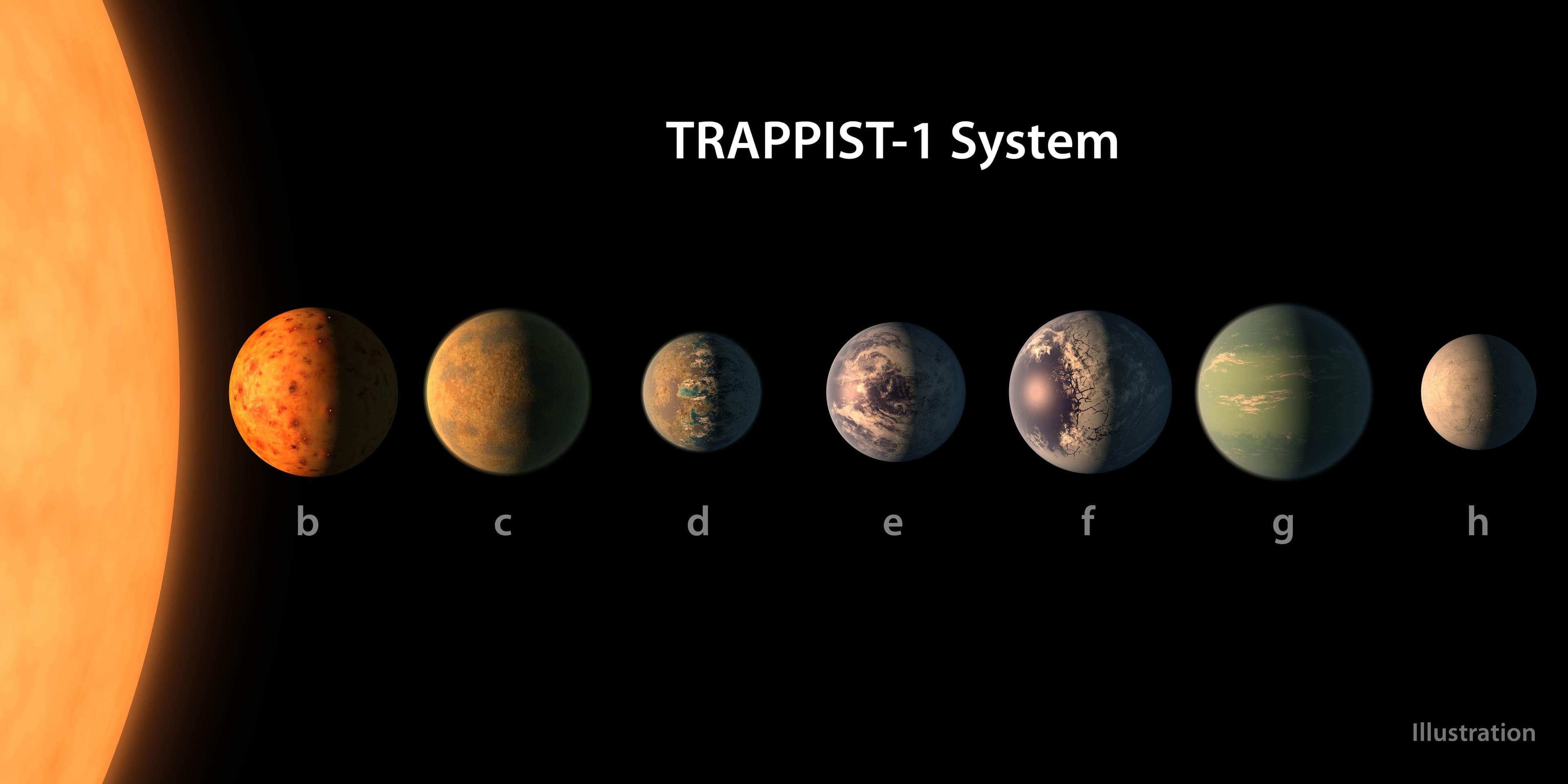
NASA's Roman Space Telescope: Search for Life in the Milky Way

AI Revolution: Big Law Firms Forced to Cut Fees Amid Tech Shift

Pentagon's Foray into Venezuelan Oil Business: A New Era for U.S. Energy Strategy

Alteon's Year-Long Flight Ambition Backed by Investor: Revolutionizing Aviation Energy Efficiency
Latest Market News
All News →
BORSA İSTANBUL A.Ş. Endekslerde Kullanılan Fiili Dolaşımdaki Pay Oranı Değişiklikleri / BJKAS, CWENE, DGNMO, EFOR, GIPTA, GUNDG, OZATD, PASEU, TMPOL - -
[KATVK] KATILIM VARLIK KİRALAMA A.Ş. İhraç Tavanına İlişkin Bildirim / ANFIN - Kira Sertifikası İhraç Tavanı SPK Başvurusu
BORSA İSTANBUL BISTECH DEVRE KESİCİ UYGULAMASI Pay Bazında Devre Kesici Bildirimi / CANTE - CANTE.E işlem sırasında Pay Bazında Devre Kesici Uygulaması devreye girmiştir
[GZNMI] GEZİNOMİ SEYAHAT TURİZM TİCARET A.Ş. Pay Dışında Sermaye Piyasası Aracı İşlemlerine İlişkin Bildirim (Faiz İçeren) - TRFGZNM92617 ISIN kodlu borçlanma aracının itfa ve kupon ödemesi
Swiss Life's Profitable Contraction: The Paradox of Workforce Reduction Amidst Financial Strength