Ford Otosan Cuts 2026 Outlook: Profitability War Amid Currency-Inflation Storm
724FinanceRüzgar Ersoy
Key Highlights
Ford Otosan, 2026 yılına ilişkin beklentilerini yılın ilk yarısındaki finansal sonuçların ışığında radikal bir şekilde aşağı yönlü revize ederek, makr

Ford Otosan has radically revised its 2026 expectations downward in light of the H1 financial results, laying bare the weight of macroeconomic uncertainties on the real sector. Company management signaled a shift from a growth-focused strategy to a profitability defense maneuver, emphasizing that weak domestic demand and the widening currency-inflation gap are pressuring operational performance.
Breakdown in Demand and Market Dynamics
Disclosures made to the Public Disclosure Platform (KAP) revealed that the stagnation in the Turkish automotive market has directly impacted the company's sales targets. Weaker-than-expected domestic demand forced management to lower sales volume projections, reflecting a tightening of market conditions.The "Contraction" Scenario in Revenue Forecasts
Sustainable macroeconomic pressures in Q2 financials also negatively impacted the company's revenue forecasts. The previously announced "flat" revenue growth expectation evolved into a negative scenario as economic conditions worsened.Rising Pressure on Operational Margins
The most striking change in the company's financial indicators was seen in profitability ratios. The weakness of the currency against inflation and the competitive environment were cited as the main factors dragging down adjusted EBITDA margins.As a banking and finance professional, we must read this revision not just as corporate disclosure, but as a signal of the fragility in the real sector's cash flow management. A %5 rise in Euro/TL against inflation hovering around %18 erodes companies' pricing power while diminishing the local currency equivalent of exporters' revenues. Ford Otosan pulling its EBITDA margin to the %6-7 band may necessitate the banking sector to re-evaluate credit risk models and capital adequacy calculations for this segment.
Related News & Analysis
View All →
Boğaziçi Beton Secures Massive 700 Million TL Supply Deal for Rams Ayazağa Project

Renault's Demand Stimulus Operation: Zero Interest and Price Cuts on Clio

Turkey-China Economic Ties Near $50 Billion: Joint Opportunities in AI and New Energy

OpenAI's AI Models Breach Test Boundaries: Security Gaps and Market Implications

NY Stock Market Closes Strong on Its Second Trading Day of the Week
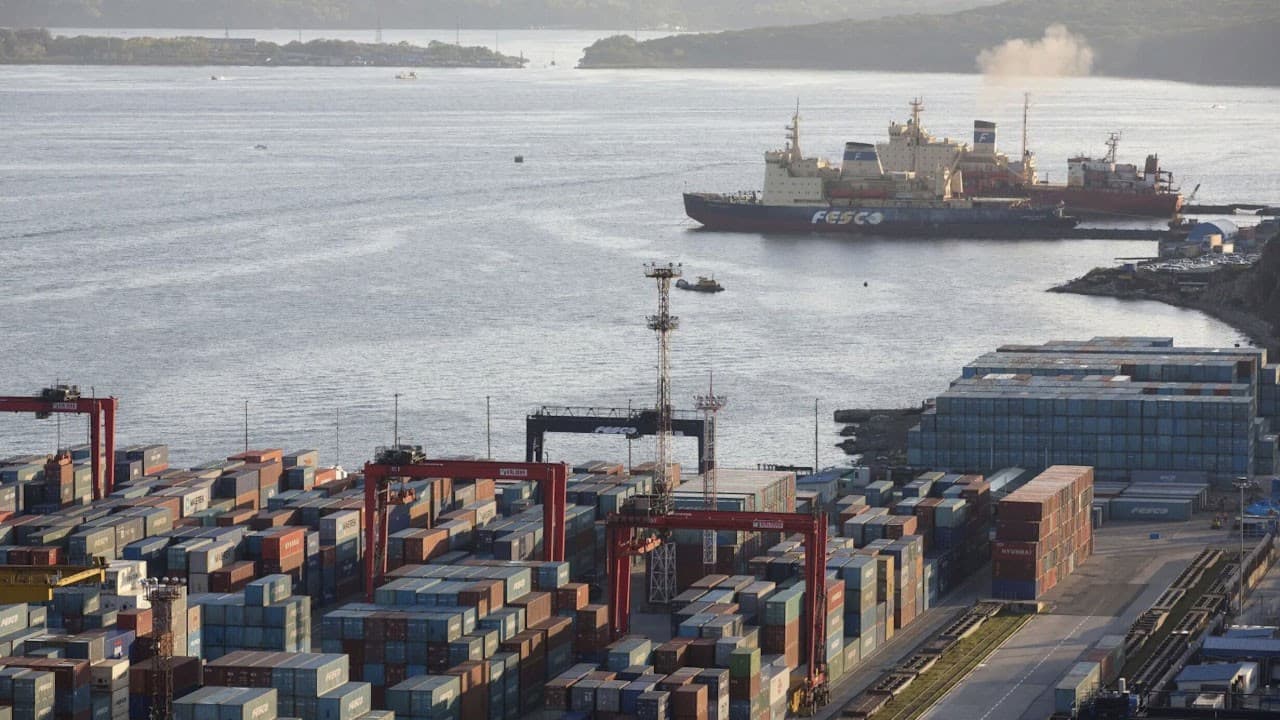
FESCO Halts Black Sea Shipments After Yanina Vessel Sinks
Latest Market News
All News →
Taiwan Tightens Crypto Grip With Travel Rule Mandate Set for October

Schaeffler Directs Cost Discipline: Phased Retirement to Reduce German Workforce

BIST 100 Soars 2%: Chemistry Sector Leads the Charge

Top-earning University Majors in Turkey: Beyond Engineering, Unexpected High-Paying Fields
Boğaziçi Beton Secures Massive 700 Million TL Supply Deal for Rams Ayazağa Project