
Shadows Over Goldman Sachs' Legal Past: Epstein Ties Under Congressional Scrutiny
Wall Street'in en prestijli finansal kuruluşlarından **Goldman Sachs**'ın hukuk geçmişi, eski Genel Müşaviri **Kathryn Ruemmler**'in Kongre'deki ifade
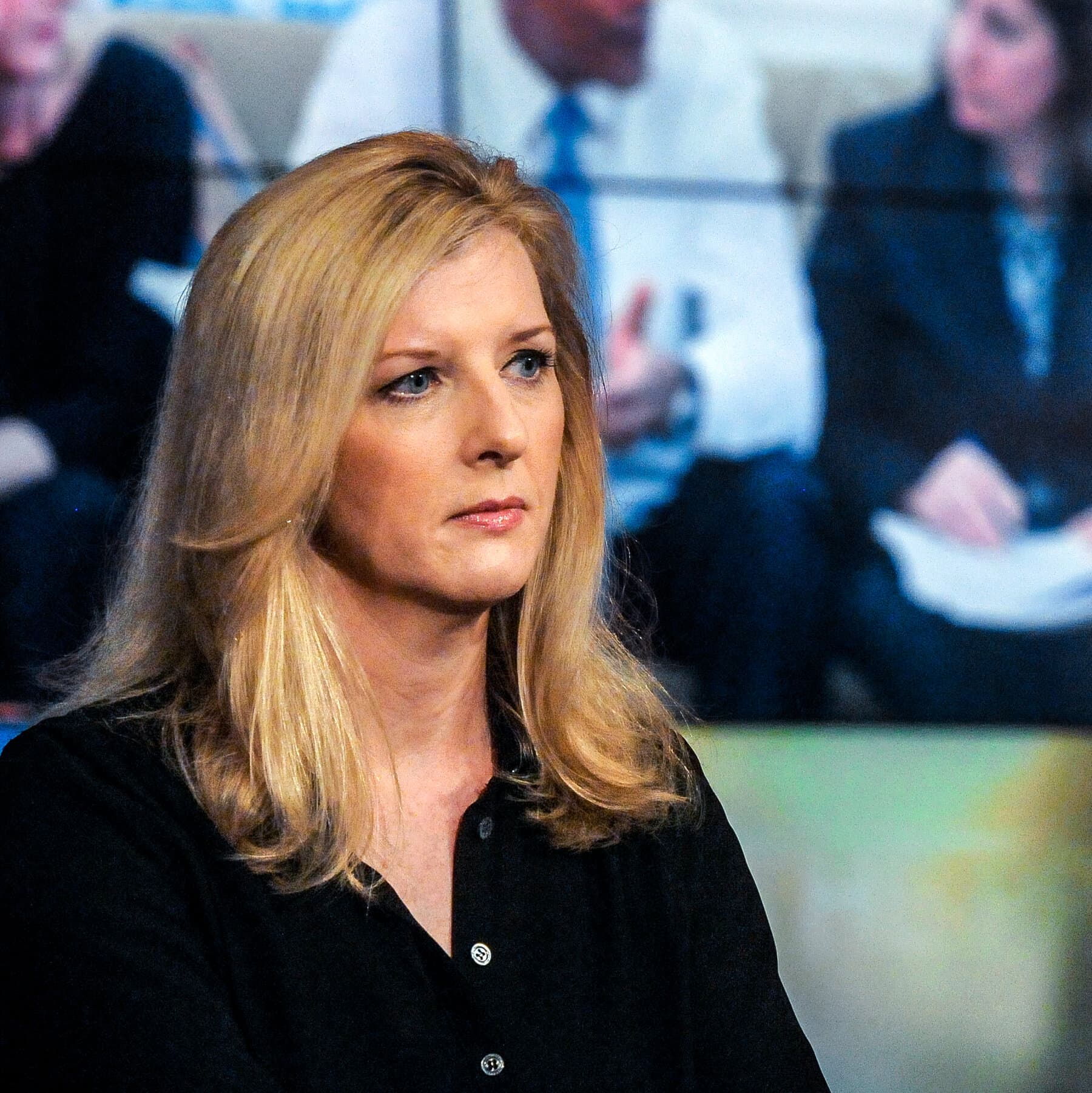
The legal history of one of Wall Street's most prestigious financial institutions, Goldman Sachs, is under renewed scrutiny following the testimony of its former General Counsel, Kathryn Ruemmler, in Congress. Ruemmler, defending her relationship with billionaire Jeffrey Epstein—who faced charges of sex trafficking—during a closed-door session on Wednesday, described him as a "masterful liar." This situation highlights the fragility of corporate reputation management in the global banking system and the potential damage of executives' network risks to market confidence.
The 'Masterful Liar' Defense on Capitol Hill
In a session held behind closed doors that sent ripples through the financial world, Ruemmler's testimony pointed to a gray area between legal boundaries and ethical responsibilities. The defense mechanisms Ruemmler presented regarding her connections to Epstein included:
Beyond Corporate Reputation and Legal Inquiry
This incident has transformed from the trial of an individual into a systemic questioning of the "backdoor" relationships of major financial institutions. Markets are closely watching how similar scandals pressure corporate governance scores and long-term asset values. Investors are aware that the "information asymmetry" risk created by lack of transparency can lead to volatility in stock performance.
The most critical component in financial supply chains is the element of trust. Connections with high-risk actors like Epstein constitute a stealth attack on the reputation capital of the banking sector. Looking at this from a technology investor's perspective; this situation is similar to the risk posed by black box manufacturers in the supply chain. The system may appear robust from the outside, but a single faulty internal component can disable all security protocols and instantly collapse market confidence.
Related News & Analysis
View All →
US Open Sponsors Shift From Endorsements to Immersive Experiences
Trump’s ‘Historic’ Venezuela Oil Deal Sends Shockwaves Through Markets

Music Industry in AI Turmoil: Lawsuits, Partnerships, and Market Shockwaves

The Invisible Hand of Maria Edgeworth: Uncovering the Forgotten Economist Behind Classic Novels

Catastrophic Flood in Nepal Unveils Hidden Hazards of Hydropower Expansion

Nvidia’s AI Edge Extends Beyond GPUs
Latest Market News
All News →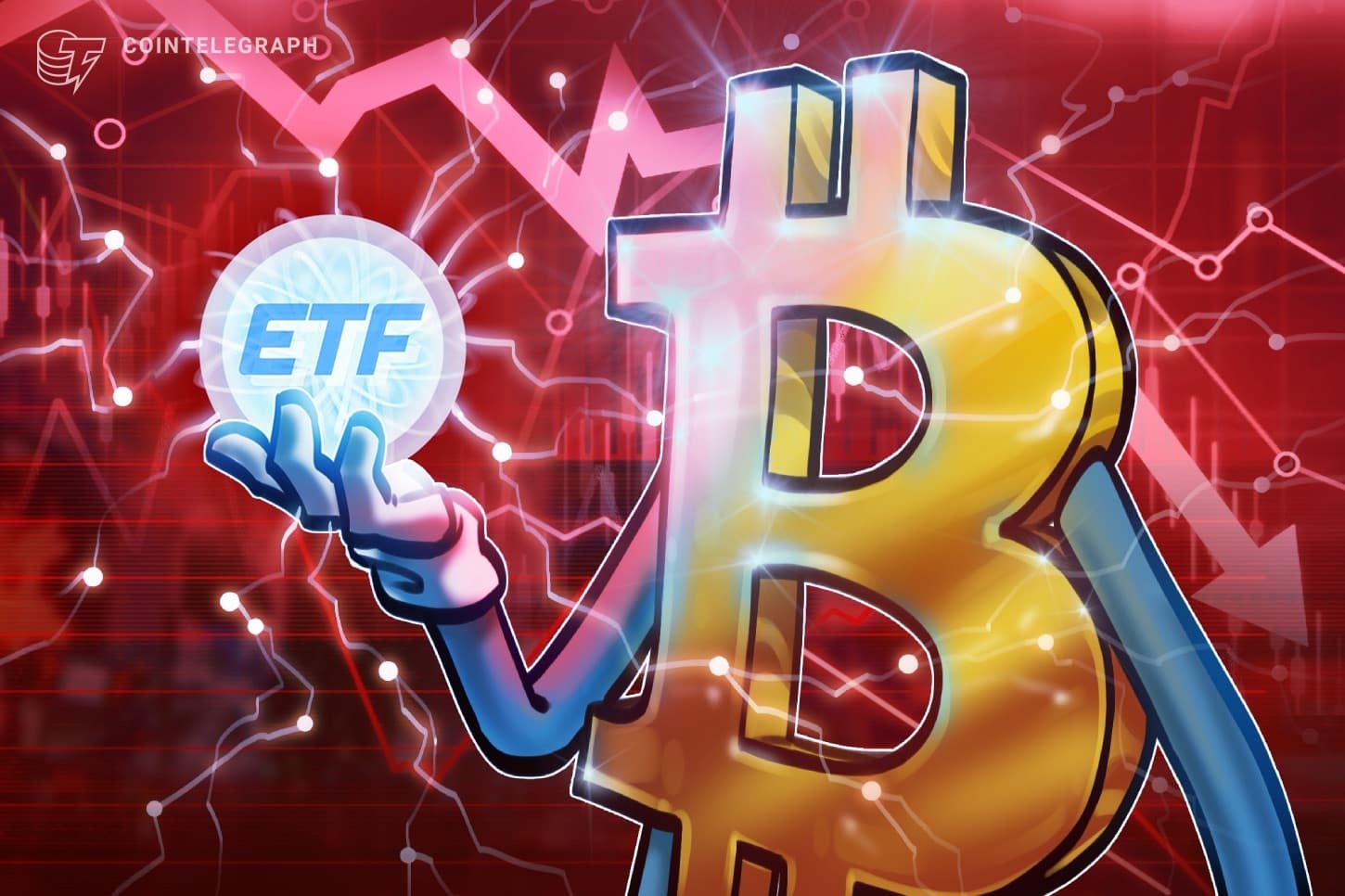
Bitcoin ETFs End 9-Day Inflow Streak as BTC Dips Below $78K

TÜRK-İŞ's Victory Day Message: Atatürk's Legacy and the Future of the Nation
US Open Sponsors Shift From Endorsements to Immersive Experiences
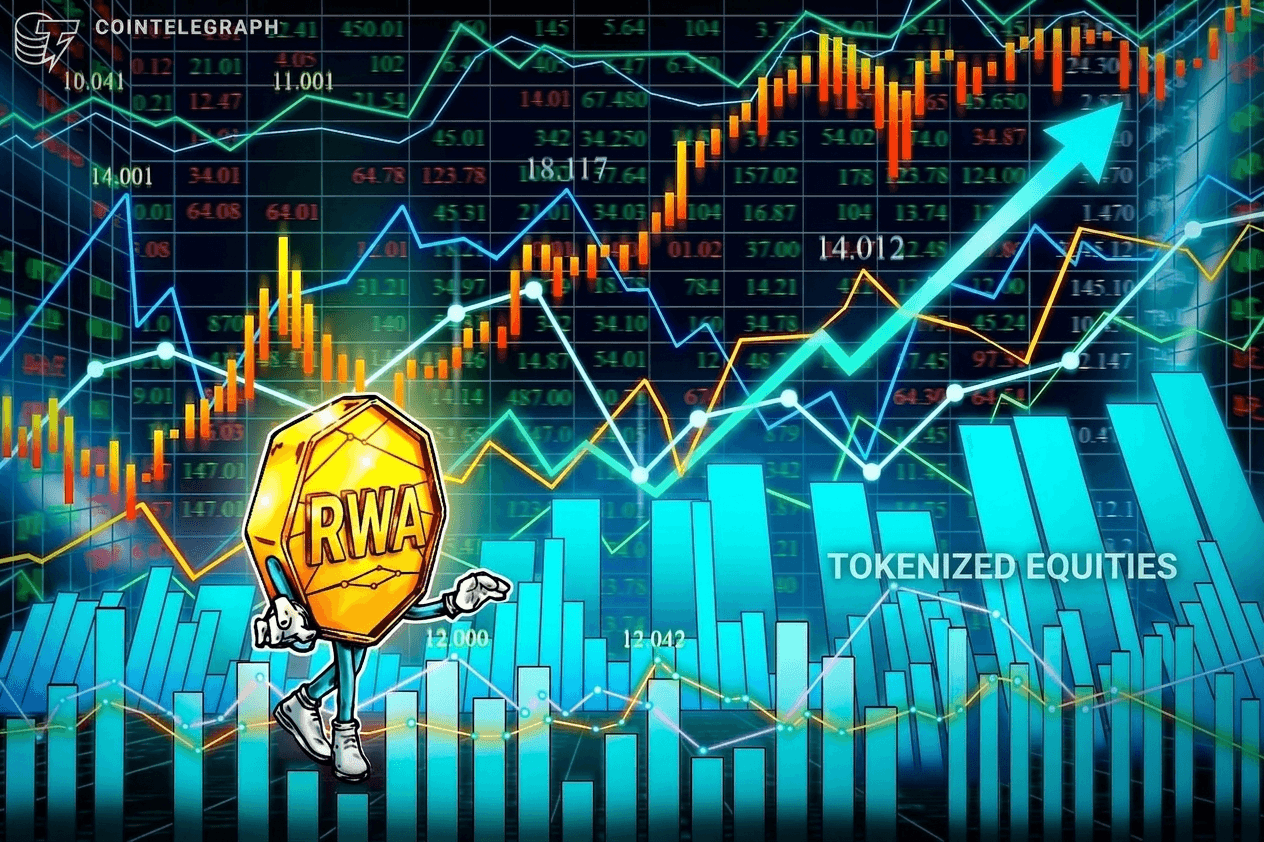
Tokenized Equities Volume Surges 415% to $29.5B

Scale War in Capital Markets: Tera's 1000-Fold Capital Ceiling Gambit