
Economy
HAK‑İŞ’s Minimum Wage Strategy: Firm Stance Against Regional Proposals and the Hidden Cost of Interest Burdens
724FinanceDr. Aslıhan Demir
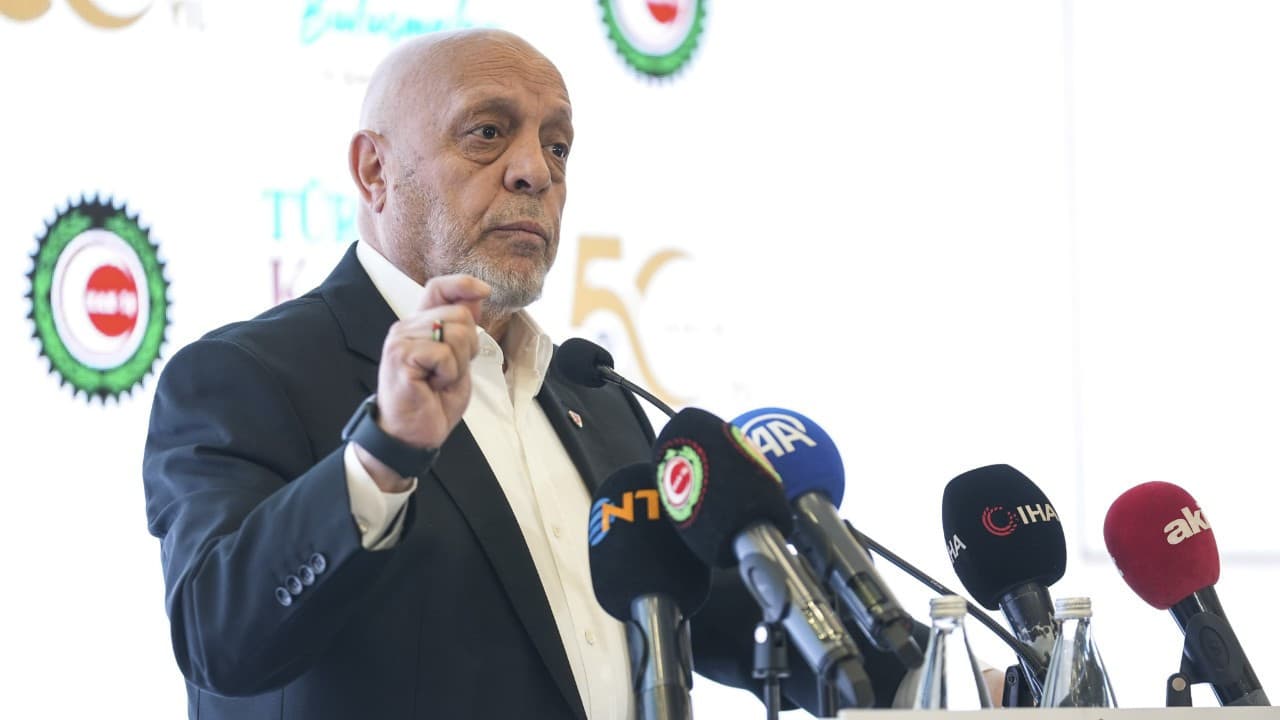
HAK‑İŞ’s debate over the minimum wage signals a pivotal shift in Turkey’s labor‑cost landscape.
Employers’ Coalition and Commission Proposal
Mahmut Arslan, President of HAK‑İŞ, urged a joint action plan from three major confederations (TÜRK‑İŞ, DİSK, HAK‑İŞ) to restructure the Minimum Wage Determination Commission. He noted that TÜRK‑İŞ’s refusal to join the commission has already pushed the issue into the spotlight, but warned that without a new framework the wage could be set unilaterally by the government and employers.Firm Rejection of Regional Wage Plans
Arslan categorically dismissed the regional minimum‑wage proposal as an attempt to "have a worker in Istanbul paid at Hakkari rates," arguing that employers aim to exploit lower‑wage provinces to cut costs, a practice he described as systematic abuse.The Invisible Shadow of Interest Burdens
While most discussions focus on the level of the minimum wage, Arslan highlighted that 80% interest rates on credit translate into production and labor costs, making the real expense stem more from interest charges than from wages. He cited the still‑unpaid 11.9 billion TRY transfer from the unemployment fund to GAP as an illustration of financial strain.Market and Policy Implications
Expert Note: Overlooking interest costs in minimum‑wage calculations understates true labor expenses and can fuel inflationary pressures. HAK‑İŞ’s focus on interest rates underscores the importance of monetary‑policy decisions in the employer‑employee balance. The Central Bank’s stance at 25% policy rate will keep credit costs high and temper the impact of any wage increase. This dynamic may spill over into exchange‑rate volatility and bond‑yield adjustments in the upcoming quarter, prompting investors to reassess risk premiums.