
The Washington-Tokyo Pact: Stemming the Yen’s Spiral to Save Global Markets
ABD Hazinesi, Japon Yen'inin Amerikan Doları karşısındaki kontrolsüz değer kaybını durdurmak amacıyla Tokyo ile koordineli bir stratejik hamle başlatt
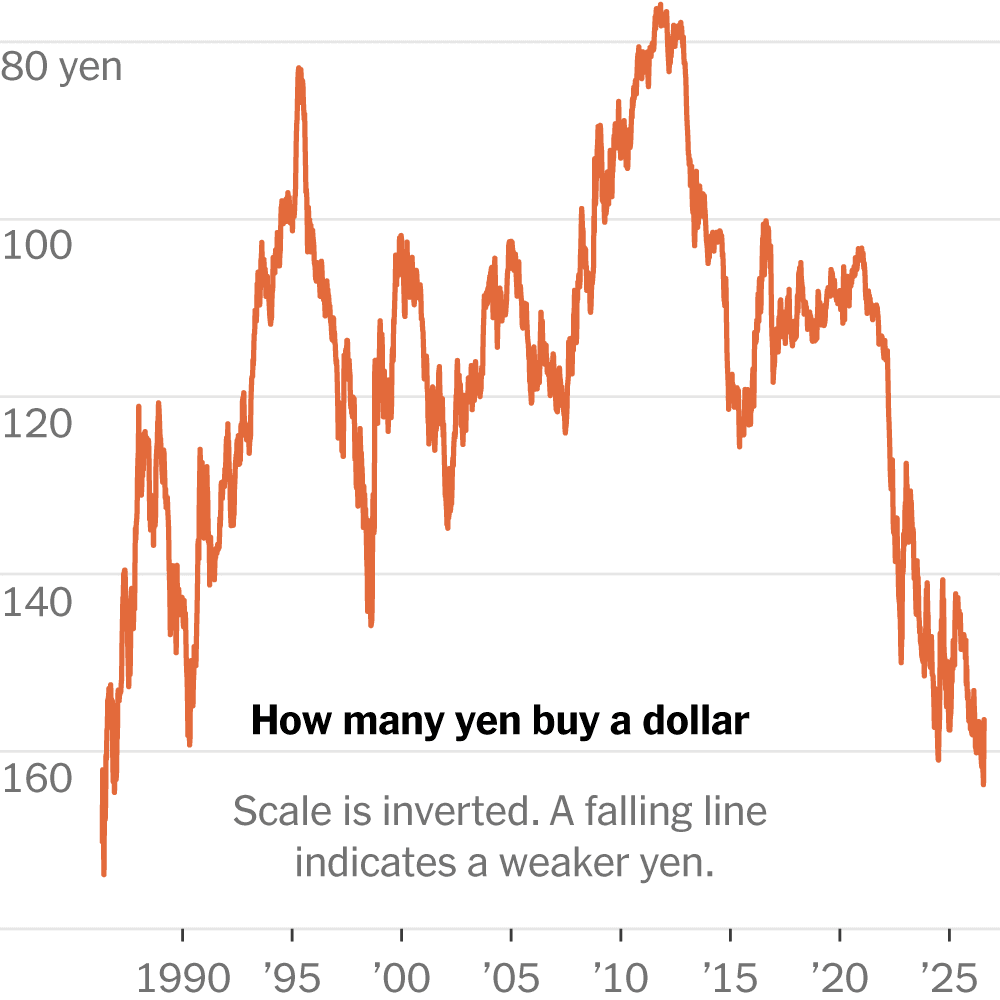
The U.S. Treasury has launched a coordinated strategic maneuver with Tokyo to halt the uncontrolled slide of the Japanese Yen against the U.S. Dollar. This intervention is viewed not merely as currency stabilization, but as a critical effort to minimize the risk of turmoil in Japanese markets spilling over into the global financial system.
Washington’s Tactical Pivot and Currency Stabilization
As the widening gap between Japan's monetary policy and the U.S. interest rate cycle pushed the Yen toward historic lows, the involvement of the U.S. Treasury signaled a new phase of market management. Washington stepped in to mitigate systemic risks where Tokyo's unilateral interventions proved insufficient.
The Risk of Global Financial Domino Effects
The clash between Japan's commitment to low interest rates and the Federal Reserve's tightening cycle is disrupting more than just exchange rates; it is distorting global capital flows. Market turmoil in Tokyo carries the potential to trigger a global liquidity crisis, particularly through the unwinding of carry-trade positions.
From an aviation logistics perspective, this extreme depreciation of the Yen creates severe cost pressures on Japan-based cargo operations. In an ecosystem where fuel costs are USD-denominated, a weak Yen erodes the operational margins of giants like ANA and JAL, while destabilizing freight pricing for the air bridge supply chain of high-tech products. Washington's intervention is critical for restoring cost predictability for high-value technology shipments originating from Asia.
Related News & Analysis
View All →
Visa's $2.4 Billion BioCatch Deal Signals AI‑Driven Fraud Battle

June Startup Revolutionizes Enterprise AI Deployment

Q2 Earnings Season Surpasses Expectations Across Sectors

Trump’s ‘Perimeter of a Deal’ Fuels Market Surge: A Rapid Rally
IBM Expands Quantum Playbook with HRL Labs Acquisition

Trump Cancels Iran Strike Plans: Oil Prices Drop 5%, European Markets Rally
Latest Market News
All News →![[NTGAZ] NATURELGAZ SANAYİ VE TİCARET A.Ş.
Sorumluluk Beyanı (Konsolide) - Sorumluluk Beyanı (Konsolide)](/_next/image?url=%2Fuploads%2Fkap-default.png&w=3840&q=75)
[NTGAZ] NATURELGAZ SANAYİ VE TİCARET A.Ş. Sorumluluk Beyanı (Konsolide) - Sorumluluk Beyanı (Konsolide)
[NTGAZ] NATURELGAZ SANAYİ VE TİCARET A.Ş. Faaliyet Raporu (Konsolide) - Faaliyet Raporu (Konsolide)
[NTGAZ] NATURELGAZ SANAYİ VE TİCARET A.Ş. Finansal Rapor - Finansal Rapor
Visa's $2.4 Billion BioCatch Deal Signals AI‑Driven Fraud Battle
JPMorgan Strategists Warn Tech Stocks Will Languish for the Rest of 2026