India’s Defense Industry Overhaul Reconstructs Macroeconomic Balances Through Domestic Production
724FinanceZeynep Kaya
Key Highlights
Hindistan yönetimi, savunma harcamalarını millileştirme stratejisini agresif bir şekilde devreye alarak askeri bütçenin kompozisyonunu kökten değiştir

The Indian government is aggressively implementing a strategy to nationalize defense spending, fundamentally altering the composition of the military budget and redirecting the course of global capital flows. The Ministry of Defense’s expansion of the list of prohibited imports forces foreign arms giants to abandon direct sales in favor of joint production with India-based companies, thereby mandating that foreign capital enters domestic industrial basins through direct investment.
Mandatory Redirection of Foreign Capital to Domestic Clusters
The liquidation of the traditional arms procurement model permanently enhances the manufacturing capabilities and capital efficiency of the local subcontractor SME ecosystem, while the focus of multinational partnerships shifts from assembly lines to high-value technology transfer.Strategic Moves to Offset Current Account Deficit via Defense Exports
India is transforming its defense industry from an inward-looking structure into a net exporter model offering sophisticated platforms to global markets, adding a strategic instrument to the balance of trade.Strengthening Financial Stability from Treasury Liquidity to Inflation
The rising share of domestic manufacturing ensures the preservation of foreign exchange reserves in public finance, while keeping billions of dollars of budget allocated for imports within the domestic market directly boosts household spending capacity.The structural transformation India is implementing in its defense industry reinforces macroeconomic stability, sending a critical signal for individual wealth management. This model, which generates high-quality employment, strengthens household financial health, while the easing of inflation pressure holds the potential to increase the real returns on savings interest rates. In an economy where the current account relaxes as domestic production is encouraged, the decline in the country risk premium positively affects credit costs, creating a more sustainable growth environment for individual credit and consumer finance markets.
Related News & Analysis
View All →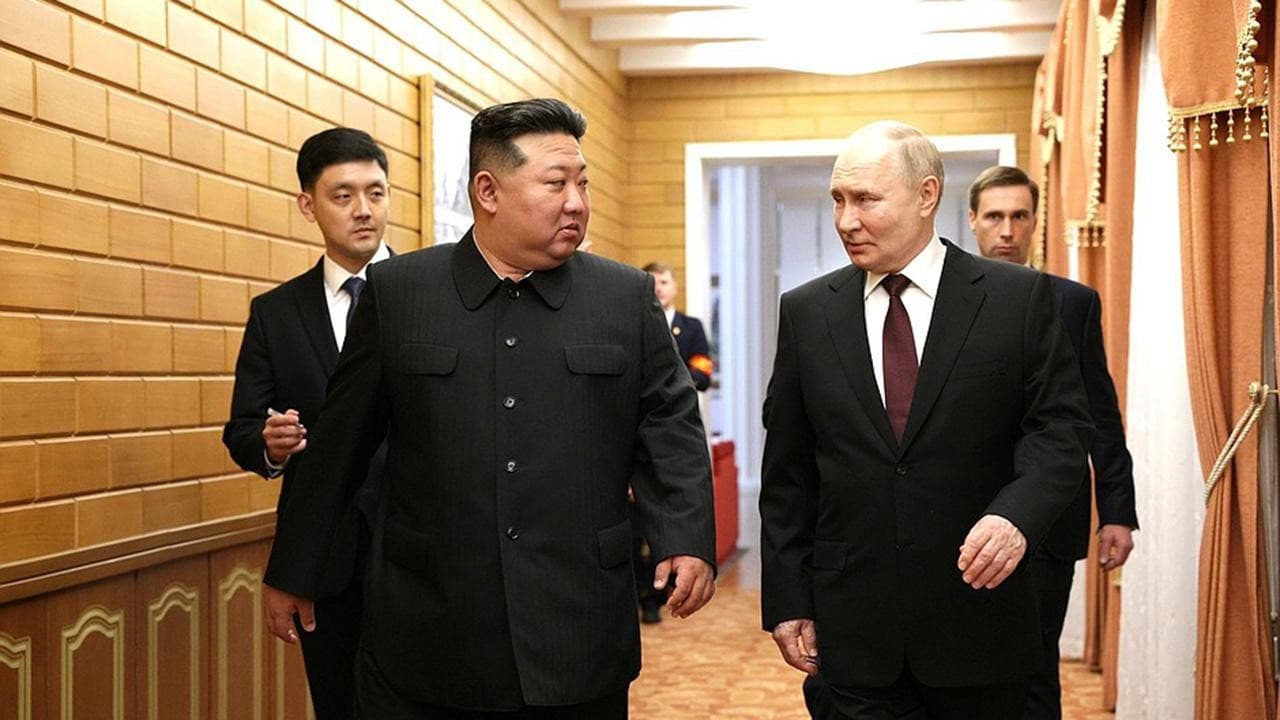
Moscow-Pyongyang Axis: New Trade Routes and the Erosion of Sanctions

Lifeline for Ayder Economy: Çamlıhemşin Tunnel Promises 772 Million Lira in Savings

Insurance Sector's 145 Billion Lira Compensation Bill and Inflationary Reflections

DS N°8 Enters Turkish Market: Electric Race Above 5 Million TL Band

Iran Deepens Ties in Central Asian Energy Market: Historic Oil Accord with Tajikistan

16.8 Million Transparency Offensive: Breaking Information Asymmetry in the Second-Hand Market
Latest Market News
All News →
Moscow Bans Bitcoin Mining: Russia’s Energy and Sanctions Playbook

Geopolitical Equilibrium in the Strait of Hormuz: Iran-Oman Deal Redefines Energy Supply Security
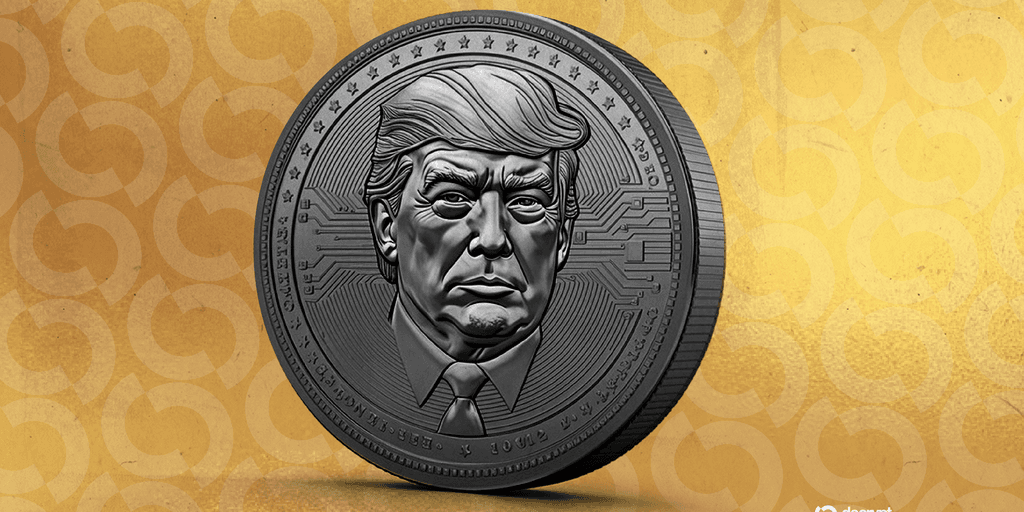
Trump‑Linked World Liberty Secures Conditional Bank Charter for USD1 Stablecoin, Poised to Shift Digital Currency Landscape

Lifting Travel Ban on Manus Founders Signals China's Shift in Tech Diplomacy
Moscow-Pyongyang Axis: New Trade Routes and the Erosion of Sanctions