
Geopolitical Equilibrium in the Strait of Hormuz: Iran-Oman Deal Redefines Energy Supply Security
724FinanceKerem Tufan
Key Highlights
Küresel enerji arzının en kritik dar boğazlarından biri olan Hürmüz Boğazı'ndaki jeopolitik riskler, İran ve Umman arasında imzalanan yeni geçiş planı

Geopolitical risks in the Strait of Hormuz, one of the most critical chokepoints for global energy supply, are undergoing an unexpected diplomatic and commercial transformation with the new transit plan agreement signed between Iran and Oman. As more than one-fifth of the world's oil trade passes through this strategic route, the arrangements to be made carry the potential to reduce regional tensions while simultaneously restructuring the pressure on security costs and insurance premiums in maritime trade routes.
Strategic Mobility in the Critical Maritime Route
The agreement reached between Iran and Oman stands out not only as a tool to reduce military tension but also as an effort to manage operational uncertainty in global supply chains. This agreement aims to minimize the supply security risk for countries importing energy by increasing the navigation safety of commercial fleets in the region.Risk Premium Reflecting on Energy Markets
A significant portion of speculative pressure on oil prices is based on a potential closure scenario in the Strait of Hormuz. This step by Iran and Oman can be perceived by market players as a reduction in the probability of supply disruption. However, from a banking and trade finance perspective, the feasibility and long-term stability of such agreements remain a fundamental variable affecting parameters in credit risk models.Regional risks remain a cost-determining factor in commercial loans and trade finance mechanisms. Such diplomatic moves in the Strait of Hormuz directly impact the volatility of insurance premiums and freight costs, reflecting on the balance sheets and cash flow management of energy-importing companies. Given the critical role of stability in energy import prices in central banks' inflation fight, the macroeconomic implications of this agreement should be closely monitored in terms of financial stability.
Related News & Analysis
View All →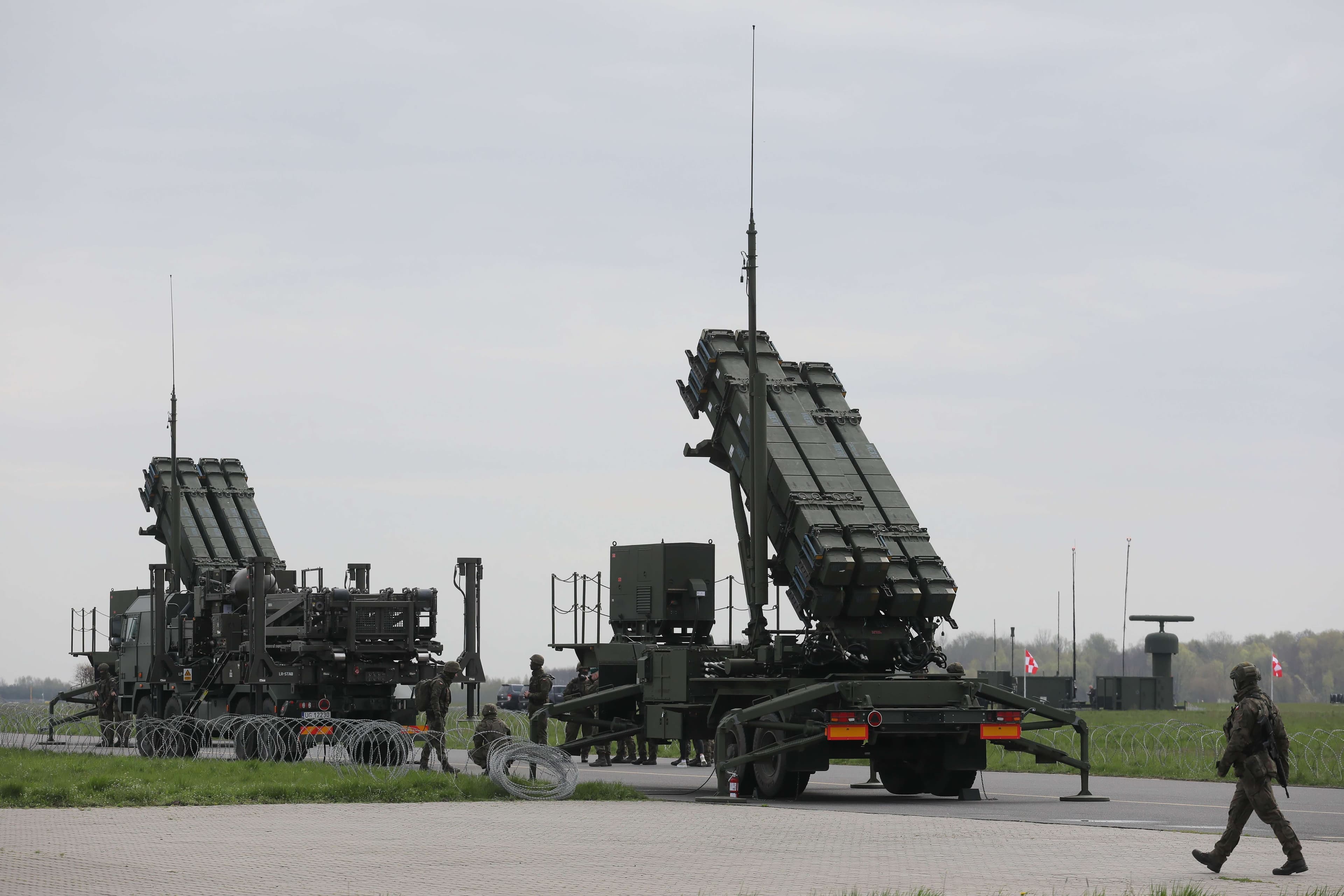
Patriot Missile Crisis: Global Risk Premium Rises, Energy and Defense Sectors in Focus

Revolution in the Used Car Market: Mileage and Damage Records Gain Transparency

Historic Expansion in Higher Education: A Potential 500,000 Workforce Re-enters the Market
Turning Point at the Strait of Hormuz: How the Iran-Oman Accord Directs Oil Markets

Mecca Defense Pact: Turkey's Vision for Defense Industry and Regional Economy
Iran's Diplomatic Rejection: Uncertainty Deepens in Oil Markets
Latest Market News
All News →Patriot Missile Crisis: Global Risk Premium Rises, Energy and Defense Sectors in Focus

Apple's China Gambit: Partnership with Alibaba Reshapes AI Strategy

August 15, 2026: Gold Prices and Market Impact

Tennis Stars' Injuries Boost U.S. Open Ticket Prices Despite Uncertainty

The Abel Era at Berkshire: Cash Hoard Pivots Toward AI and Housing
