The Service Engine: Sectoral Divergence Driving UK Growth
İngiltere ekonomisi, sanayi ve inşaat sektörlerindeki durgunluğa rağmen, hizmetler sektörünün lokomotif etkisiyle büyüme ivmesini korumayı başardı. Ül

The UK economy has managed to maintain its growth momentum, propelled by the locomotive effect of the services sector despite stagnation in the industrial and construction sectors. While the country's overall economic performance masks weaknesses in production capacity through service exports and domestic consumption, macroeconomic balances have reached a critical threshold.
The Services Sector: The Sole Fortress of Growth
UK GDP growth figures prove that the backbone of the economy is now entirely built upon services. This area, dominated by finance, consulting, and technology-based services, continues to fill the void created by other sectors.
Industrial Hemorrhage and Structural Risks
Dependence of growth on a single sector raises serious questions regarding long-term economic resilience. The contraction in the manufacturing and construction sectors indicates an erosion of the UK's real production capacity.
While service-driven growth saves the numbers in the short term, from a portfolio management perspective, it represents a "one-way risk." In our value investment strategy, we prioritize companies in the service sector with high cash flows and high dividend yields, while tracking "deep value" companies in the industrial sector that increase operational efficiency and aggressively manage share buyback programs. This asymmetric growth structure in the UK increases the allure of high-dividend-paying financial giants, but the decoupling from the real economy may bring long-term volatility.
Related News & Analysis
View All →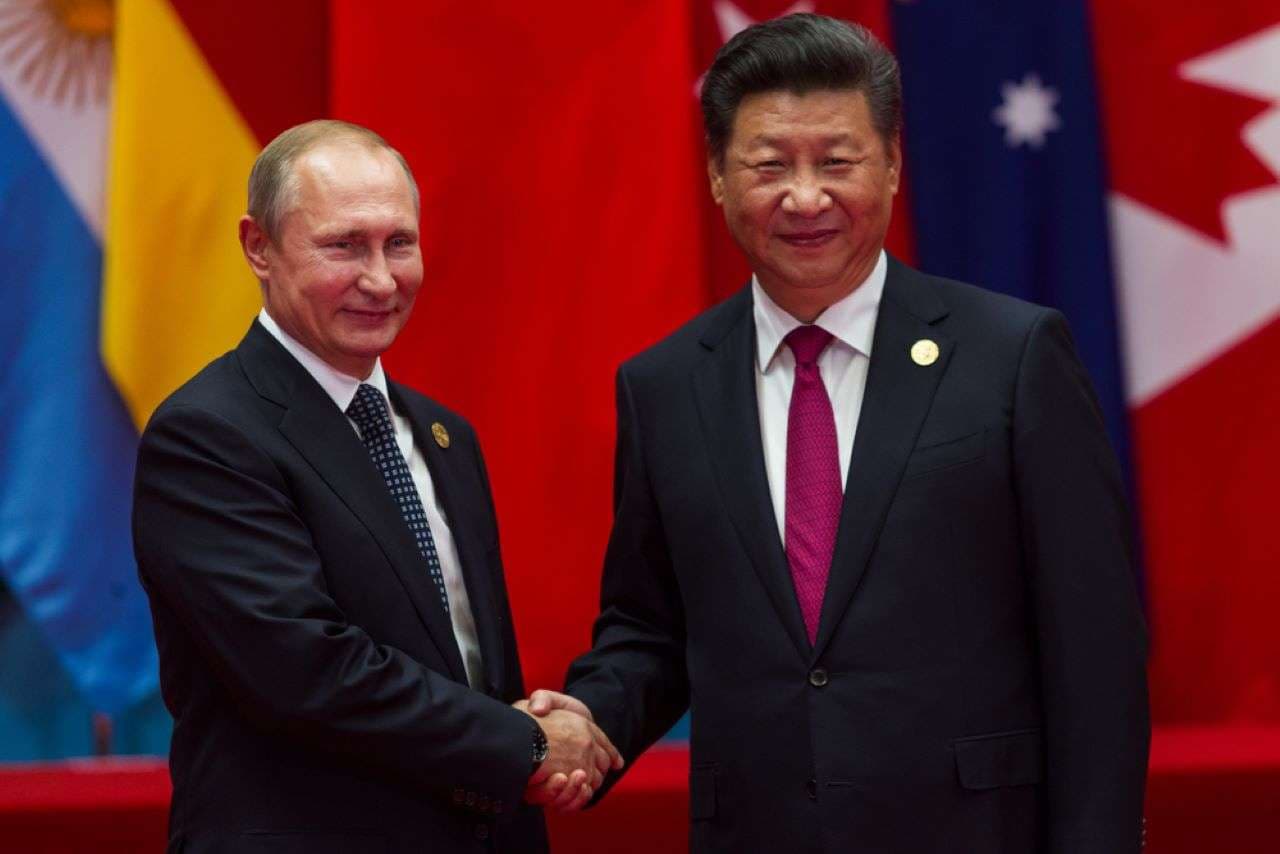
Moscow Deepens Dependence on Beijing: Strategic Shift Before Putin‑Xi Meeting

Suwen Textiles Announces 0.18 TL Per Share Dividend – A Boost for Investors

Weekly Economic Pulse: How Inflation and Employment Data Shape the Markets
G20 Table: $40 Trillion US Debt and the Strategic Roles of China and Iran

Wall Street Earnings Extravaganza: 18 Firms Exceed Expectations, Stock Stars Shine

Ukrayna, Rusya'nın İkinci Büyük Rafinerisini Vurdu: Enerji Piyasalarında Yeni Dalga
Latest Market News
All News →
Samsun Çarşamba Airport Set to Expand Passenger Capacity to 3 Million
Moscow Deepens Dependence on Beijing: Strategic Shift Before Putin‑Xi Meeting
Suwen Textiles Announces 0.18 TL Per Share Dividend – A Boost for Investors
Helium Squeeze: How the Iran War is Turning Party Balloons into a Luxury Asset