
Tehran Casts Cold Water on Diplomacy: US-Iran Talks Denied, Geopolitical Risks Resurface
Tahran yönetimi, önümüzdeki hafta Washington ile yapılması beklenen kritik diplomatik temasların varlığına ilişkin iddiaları sert bir dille yalanlayar
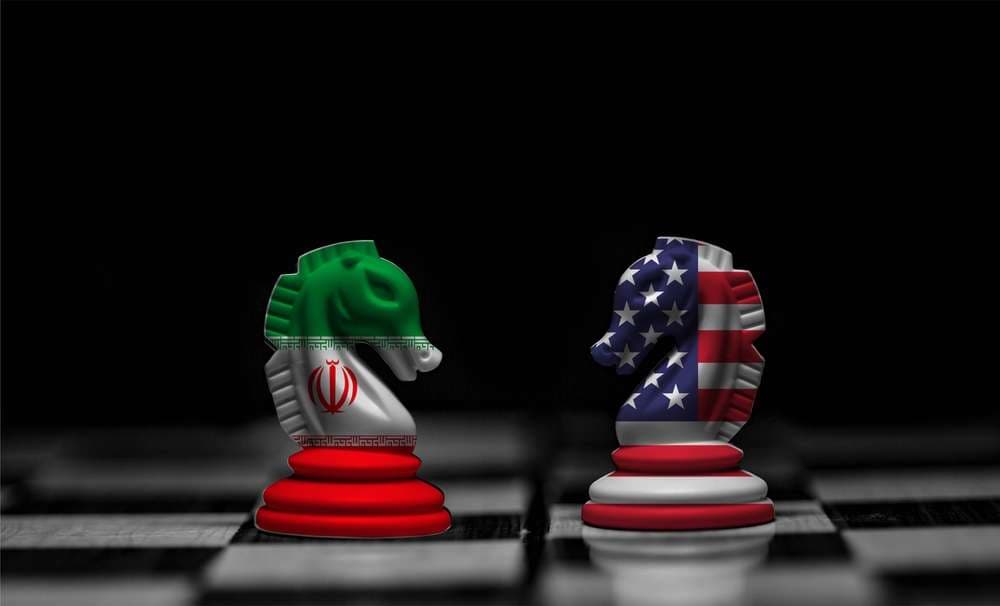
The Tehran administration has vehemently denied allegations regarding the existence of critical diplomatic contacts expected with Washington next week, dashing market expectations that rising geopolitical tensions in the region would de-escalate in the short term. This development brings uncertainty back to the forefront regarding global trade routes and energy supply security, momentarily dampening investor risk appetite.
Market Implications of Diplomatic Breakdown
The official denial by Iranian sources has undermined optimistic scenarios suggesting that tensions between the two nations would be resolved swiftly through diplomatic channels. This situation could create a negative pressure factor on companies trading regionally and on freight indices.
Geopolitical Uncertainty and Central Banks
Such diplomatic deadlocks are valued not just as a political crisis, but as an external shock directly affecting macroeconomic indicators. Particularly in economies dependent on energy imports, this news flow can trigger cost inflation, extending the duration of tight monetary policies.
Central banks now accept geopolitical risk premiums as a primary variable alongside inflation data when determining policy rates. Such diplomatic deadlocks drive up energy costs, indirectly increasing the cost of working capital loans. In commercial loan portfolios, the probability of rising non-performing loan (NPL) ratios, especially in sectors heavy on imported inputs, will continue to constrain banks' risk appetite.
Related News & Analysis
View All →
BIST 100’s Top Gainers and Losers of the Day: A Technical and Quantitative Deep Dive
Strategy Shifts from Bitcoin to Cash: A New Era in Liquidity Management
Gold’s Three‑Month High: Investors’ New Safe Haven
BIST 100 Tumbles 0.09%: Sectoral Balancing Act and Investor Focus
Stoxx 600 Climbs, DAX Slides as Fed’s High Bond Yields Boost Gold
France Extends Corporate Tax Hike to 2027, Heightening Economic Pressure
Latest Market News
All News →![[ZGYO] Z GAYRİMENKUL YATIRIM ORTAKLIĞI A.Ş.
Halka Arz Fiyatının Belirlenmesinde Esas Alınan Varsayımlara İlişkin Değerlendirme Raporu - Halka Arz Fiyatının Belirlenmesinde Esas Alınan Varsayımlara İlişkin Değerlendirme Raporu](/_next/image?url=%2Fuploads%2Fkap-default.png&w=3840&q=75)
[ZGYO] Z GAYRİMENKUL YATIRIM ORTAKLIĞI A.Ş. Halka Arz Fiyatının Belirlenmesinde Esas Alınan Varsayımlara İlişkin Değerlendirme Raporu - Halka Arz Fiyatının Belirlenmesinde Esas Alınan Varsayımlara İlişkin Değerlendirme Raporu
[ZGYO] Z GAYRİMENKUL YATIRIM ORTAKLIĞI A.Ş. Sermaye Artırımından Elde Edilecek - Edilen Fonun Kullanımına İlişkin Rapor - Halka Arzdan Elde Edilen Fonun Kullanım Yerlerine İlişkin Rapor
Trump’s Canada Trade War Could Pull the U.S. Back into QE

Porsche's Software Sale to TCS: A Strategic Pivot to Core Excellence

Halkbank’s Liquidity Move and the Surprise Swing in US Economic Indicators
