
Hormuz Strait Closure Jolts Oil Markets: 5% Surge and Global Supply Risks
724FinanceHakan Çelik
Key Highlights
İran’ın Hürmüz Boğazı’nı kapatmasıyla **Brent Petrol** yaklaşık %5 artarak varil başına **79,65 dolara**, **WTI** ise %5’lik bir yükselişle **74,98 do

Iran’s closure of the Hormuz Strait triggered a 5% surge in oil prices, with Brent crude rising to $79.65 per barrel and WTI climbing to $74.98. The move, amid escalating U.S.-Iran tensions, raised concerns over severe supply disruptions and prompted market participants to anticipate potential releases from strategic reserves.
Strategic Implications of Hormuz Strait Shutdown
IEA Projections and Supply Outlook
Market Sentiment and Risk Assessment
Hakan Çelik Note: Turkey’s economy, heavily reliant on energy imports, faces significant exposure to such geopolitical shocks. The Hormuz crisis could elevate import costs and fuel transport expenses, particularly impacting energy-intensive industries. The Turkish Statistical Institute (TÜİK) must closely monitor energy-linked price indices, while the Central Bank of the Republic of Turkey (TCMB) should prepare contingency measures to mitigate inflationary pressures. Energy security is no longer just a geopolitical concern—it is now a fiscal imperative requiring immediate policy action.
Related News & Analysis
View All →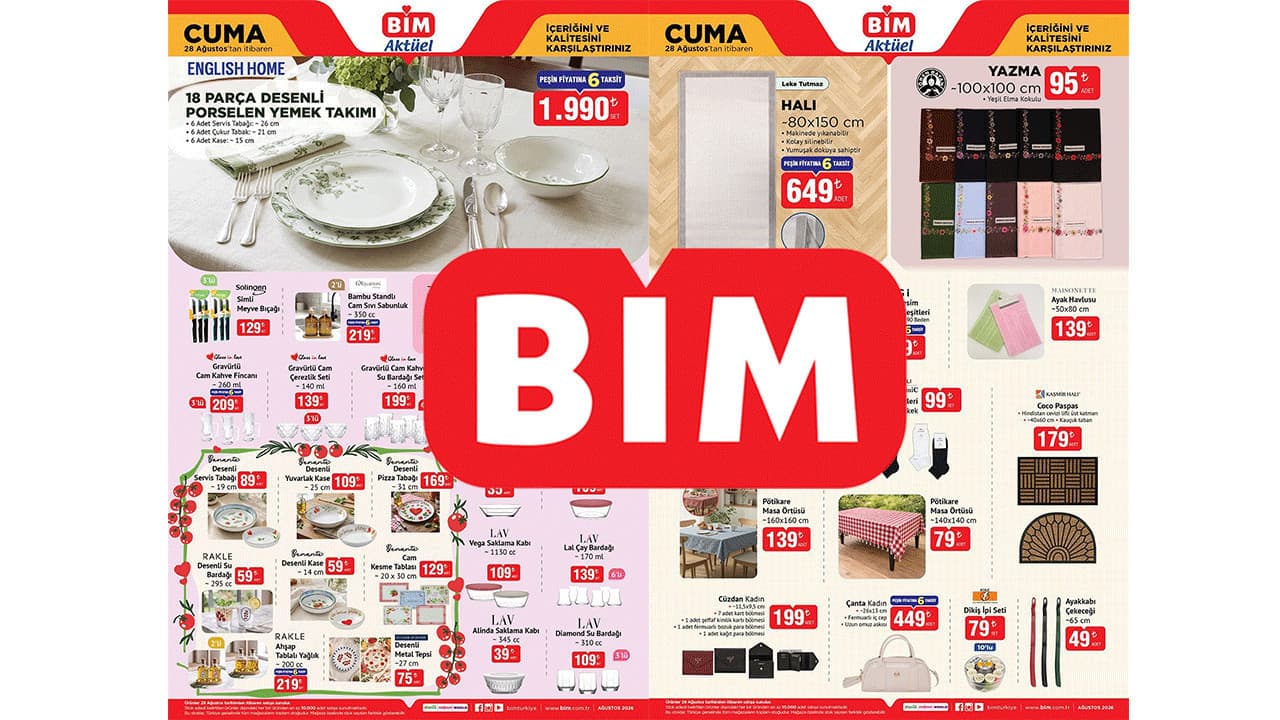
BİM’s Product Mystery: No List, What’s the Market Feeling?

Middle East Diplomacy Trims European Natural Gas Prices by 5%
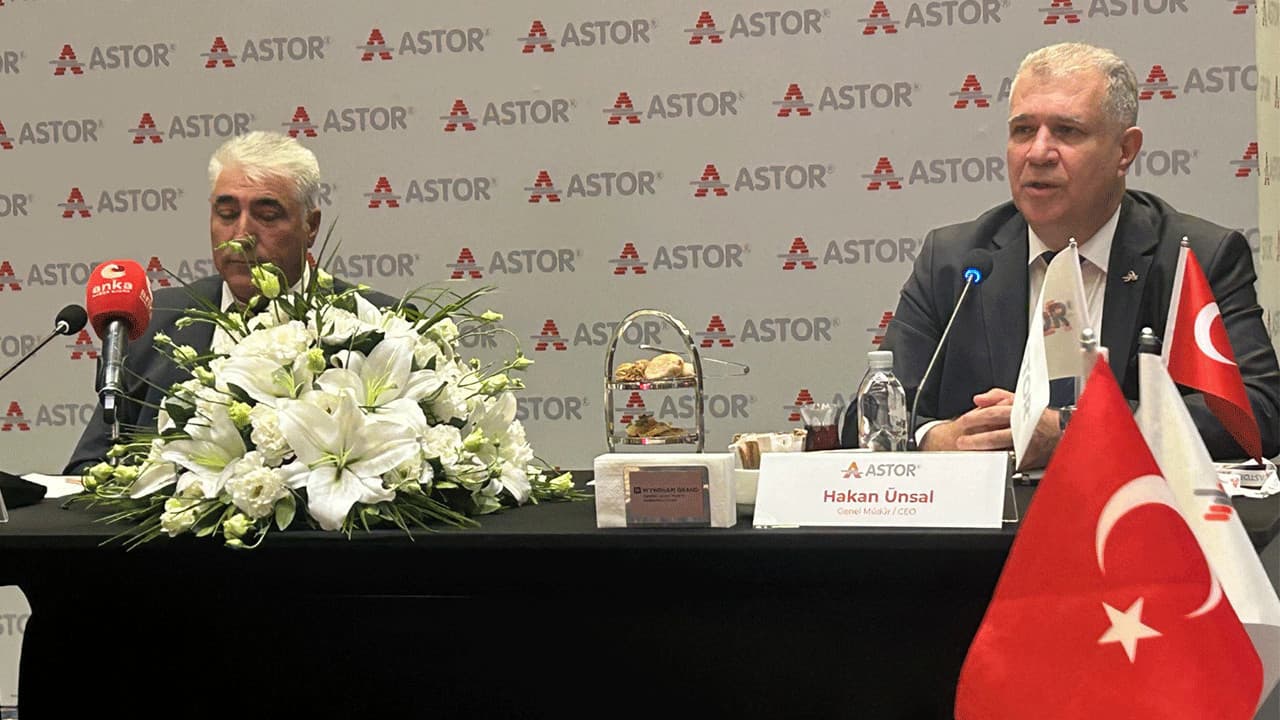
Astor Energy’s $3 Billion Revenue Goal and U.S.–Spain Investment Push

August 27, 2026 FX Rates: Dollar and Euro's Latest Levels Against the Turkish Lira
US Beef Import Quota Expansion Aims to Ease Price Pressure
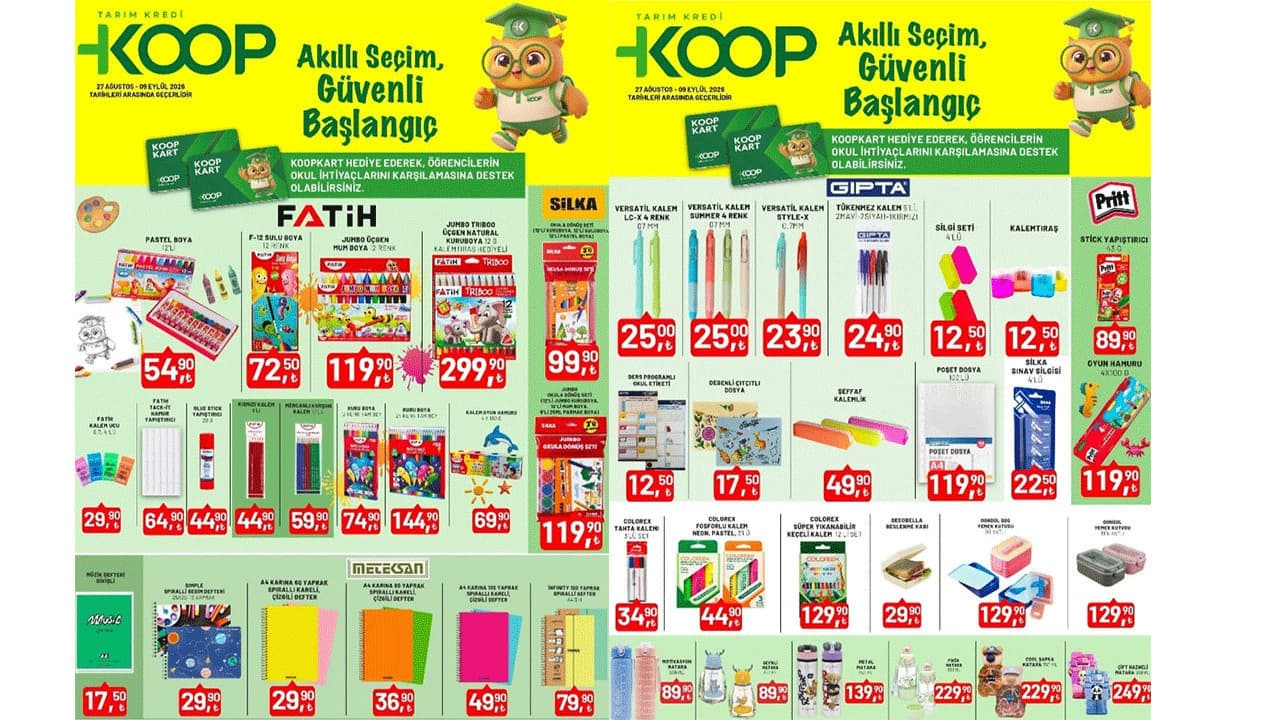
Tarım Kredi Market Launches Major Back‑to‑School Discount Campaign
Latest Market News
All News →![[EKIM] EKİM TURİZM TİCARET VE SANAYİ A.Ş.
Payların Geri Alınmasına İlişkin Bildirim - 27 Ağustos 2026 tarihli pay geri alım işlemleri](/_next/image?url=%2Fuploads%2Fkap-default.png&w=3840&q=75)
[EKIM] EKİM TURİZM TİCARET VE SANAYİ A.Ş. Payların Geri Alınmasına İlişkin Bildirim - 27 Ağustos 2026 tarihli pay geri alım işlemleri
[BIMAS] BİM BİRLEŞİK MAĞAZALAR A.Ş. Kredi Derecelendirmesi - JCR Avrasya Kredi Derecelendirme Notu
[SASA] SASA POLYESTER SANAYİ A.Ş. Özel Durum Açıklaması (Genel) - Süresi İçinde Kaydileştirilmeyen Paylara İlişkin Yatırımcı Tazmin Merkezi Başvuruları hk
[IDGYO] İDEALİST GAYRİMENKUL YATIRIM ORTAKLIĞI A.Ş. Katılım Finansı İlkeleri Bilgi Formu - Katılım Finansı İlkeleri Bilgi Formu
[ERSU] ERSU MEYVE VE GIDA SANAYİ A.Ş. Özel Durum Açıklaması (Genel) - Konya Ereğli?de bulunan taşınmazlarımıza ilişkin imar planı onayı ve karma proje geliştirme çalışmaları hakkında.