
Iran War Crashes Turkish Tourism: Antalya and Mugla Hotel Prices Drop by 8% as Small Hotels Struggle
Türkiye'nin sahil bölgelerinde turizm krizinin derinleşmesi, İran savaşı nedeniyle yabancı turist sayısının yüzde 2,4'lü düşüşüyle birlikte otel fiyat

Turkey's coastal tourism crisis deepens as the Iran war leads to a 2.4% drop in foreign tourist numbers. Accommodation prices in Antalya for the August-September period have fallen by 5% compared to last year. In Mugla, home to major tourism hubs like Bodrum, Marmaris, and Dalaman, the drop reached 8%. Meanwhile, Istanbul saw a 5% increase in accommodation prices. Cyprus hotel prices fell by 4%, while Egypt, which had a strong growth last year, saw a 10% drop. Turkey's tourism is facing both demand pressure from the war and rising costs. In the first six months of 2026, Turkey was visited by 25.8 million people, a 2.4% decline from last year. Cyprus tourist numbers also fell by more than 10%, dropping to 1.7 million. High inflation and the strong Turkish lira are increasing travel costs for foreign tourists in euros and dollars. Restaurant and dining expenses, which are often more expensive than in similar European destinations like Greece, are weakening Turkey's price advantage. Small hotels are struggling against large chains. Major hotels aggressively cut prices to boost occupancy, putting downward pressure on overall pricing. A finance manager in Bodrum's boutique hotels noted that all-inclusive hotels are drastically lowering prices to fill rooms, increasing competition pressure on smaller properties. Reservations in Turkey's holiday regions began to decline after the start of the Iran war in February and have fallen below 2025 levels. Despite the weak tourism demand in coastal areas, Turkey's aviation performance remains strong. Istanbul Airport served 8.15 million passengers in July, making it Europe's busiest airport. London Heathrow handled 7.86 million passengers the same month. The data suggests that Turkey's tourism issue stems more from price, cost, and regional risk perceptions in coastal destinations rather than overall travel demand.
The impact of the Iran conflict on Turkey's tourism sector is intensifying price dynamics and business competition. Small hotels' profitability is under threat, and the aggressive pricing by large chains is further straining the competitive landscape. This development could weaken Turkey's long-term competitive strength in the tourism sector.
Related News & Analysis
View All →
TBMM Chairman Kurtulmuş: 'Terörsüz Türkiye' Law Excludes PKK's Top Leaders
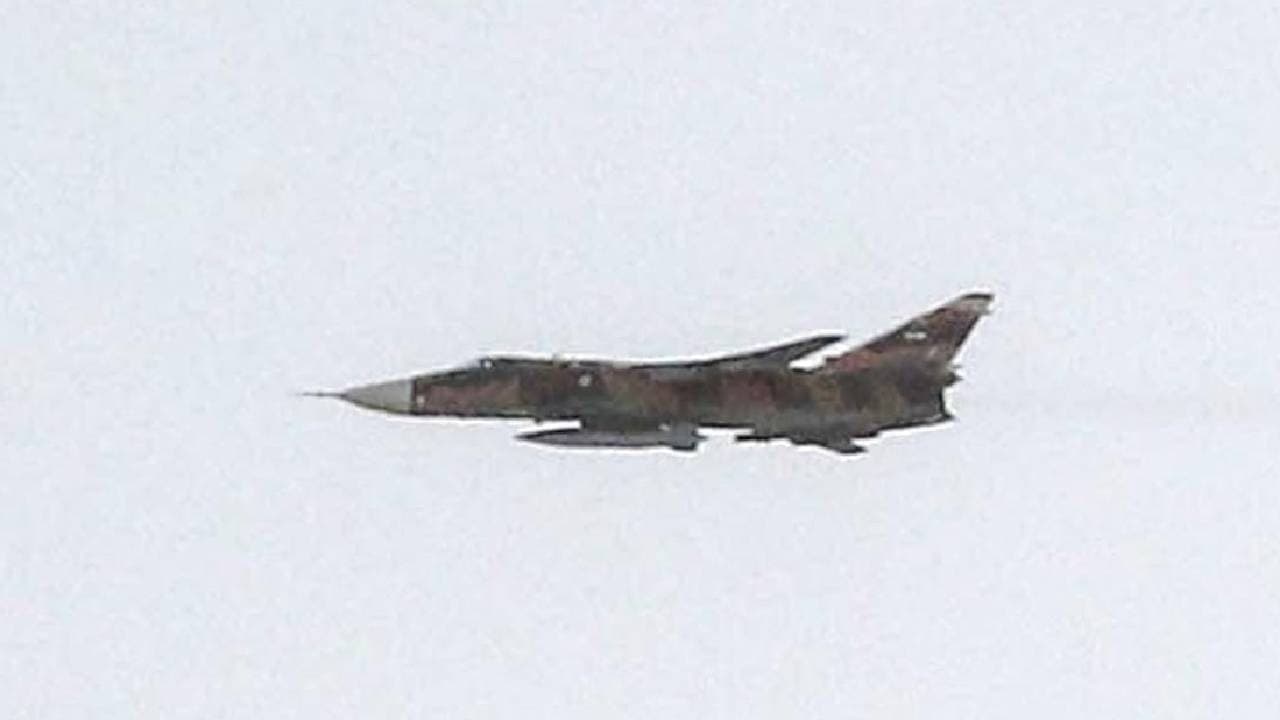
Qatar Rejects Claims of Capturing Iranian Pilots: Military Tensions in the Spotlight

7.7 Magnitude Earthquake in Indonesia: Energy and Manufacturing Chains Under Threat in Asia

Warren Demands Answers from Bessent on Yen Intervention Costs
Intervention Nightmare Fades for Japanese Yen as 160 Critical Level Looms

Hürmüz Gas: Fastest Weekly Rally Since July This Year
Latest Market News
All News →
US Puzzle: How Markets Will React to America's Financial Uncertainty?
Can Media Group's Bloomberg HT Shift to Türksat 4A: How Markets Could Be Affected

Barrick Mining Misses IPO Opportunity: What Drives the 6% Drop?

THY Flight Crash Claims Life of IBB's Young City Planner: Human Costs and Budget Implications

SanDisk Stock Surge: Why Wedbush Analysts Aren't Fully Bullish
