
Economy
Istanbul Airport Becomes Europe’s Busiest with 1,603 Daily Flights
724FinanceDr. Aslıhan Demir
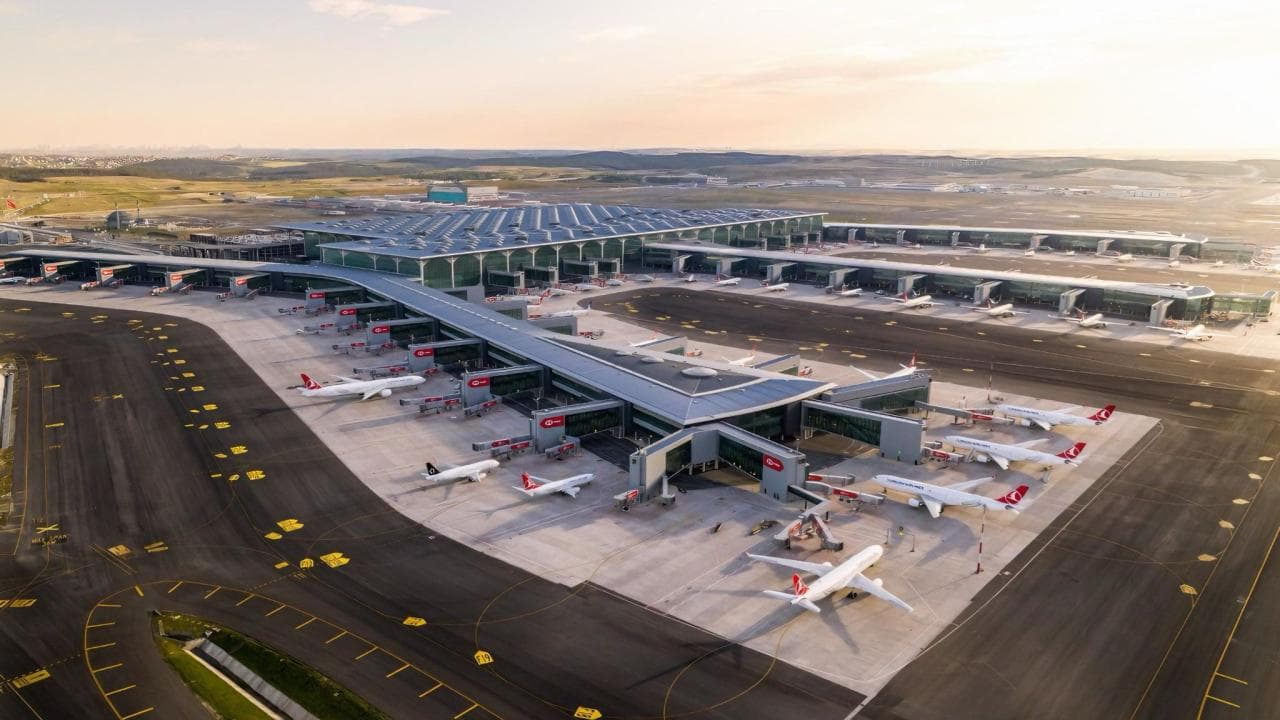
The European Organisation for the Safety of Air Navigation (EUROCONTROL) published its "European Aviation Report" for the period June 29-July 5, revealing that Istanbul Airport ranked first among Europe’s busiest airports with an average of 1,603 daily flights. This milestone underscores Istanbul’s strategic position in tourism, business, and logistics during a period of significant economic activity. Amsterdam’s Schiphol Airport (1,398), Paris Charles de Gaulle (1,389), London Heathrow (1,323), and Frankfurt’s Frankfurt am Main (1,318) followed in the rankings.
Istanbul’s Aviation Surge Amid Strategic Economic Shifts
The report highlights not only Istanbul Airport’s numerical dominance but also its growing appeal for international travelers and business flights. Concerns about the Central Bank of the Republic of Turkey (CBRT) interest rate policies impacting tourism capacity have resurfaced alongside these figures. The data suggests a robust recovery in aviation demand, driven by competitive pricing and infrastructure investments.Dr. Aslıhan Demir: "This data underscores Istanbul’s economic vitality and the competitive edge of its low-cost airport services. However, the focus should extend beyond flight numbers to passenger volume and load factors. Additionally, a cost-benefit analysis is critical given rising energy consumption and labor costs tied to this surge."
Aviation Traffic Growth and Macroeconomic Implications
The aviation sector serves as a key indicator of macroeconomic stability, particularly through tourism revenues and business travel. Istanbul’s performance signals Turkey’s outward-oriented economic structure, though sustainability hinges on infrastructure upgrades and environmental compliance. The sector’s expansion contributes significantly to employment and gross domestic product (GDP).Dr. Aslıhan Demir: "This traffic surge confirms Istanbul’s evolution into a global logistics nexus. However, passenger satisfaction and service quality must remain priorities. While low-cost airport services offer European competitiveness, long-term success depends on sustainability and environmental stewardship. The interplay between monetary policy and tourism demand warrants continued scrutiny."