
Spending Thousands on AI Certificates: Is the Investment Worth It?
724FinanceMert Yılmaz
Key Highlights
İş arayanlar, yapay zekâ (AI) sertifikalarına binlerce dolar harcayarak rekabet avantajı elde etmeye çalışıyor, ancak bu harcamanın gerçek getirisi hâ
Job seekers are shelling out thousands for AI certifications to gain a competitive edge, yet the true return on this spending remains uncertain.
The AI Certification Surge and Labor Market Dynamics
AI certification spending jumped 120% in 2023, and the upward trend is expected to continue into 2024. Platforms such as Coursera, Udacity, and edX now price AI‑focused micro‑degrees between $2,000‑$4,000. LinkedIn’s 2024 workforce report shows candidates with AI skills command salaries that are 15% higher on average.Cost‑Benefit Breakdown
What Employers Want and the Real Value of a Certificate
Risks and Strategic Recommendations
Mert Yılmaz – Value Investing Strategist
AI certifications are emerging as a “new asset class” in the labor market. Yet the core tenets of value investing still apply: invest in a skill that offers a durable moat, low “debt” (i.e., ongoing costs), and sustainable growth potential. While short‑term salary bumps look attractive, the true long‑term payoff hinges on real project experience and sector depth, not merely the certificate itself. Candidates should therefore prioritize building a practical portfolio and aligning their learning with genuine employer demand before committing to high‑priced programs.
Related News & Analysis
View All →Health Savings Accounts: A Key Retirement Tool for the Healthy or Wealthy
Alibaba‑Nvidia Moonshot Alliance: How China’s AI Leap Could Shake Markets
AI Stock Prices Hit Bottom: What Investors Should Watch Next
Oil Shock Triggers Record Profits for Energy Giants
Electing Tax‑Heavy Candidates: A Fresh Path to Fair Social Security
S&P 500 Temmuz'da İlk Düşüşünü Gösterdi: 24 Yılın En Kötü Çip Çöküşüyle Yüzde 3'ten Fazla Kaybetti
Latest Market News
All News →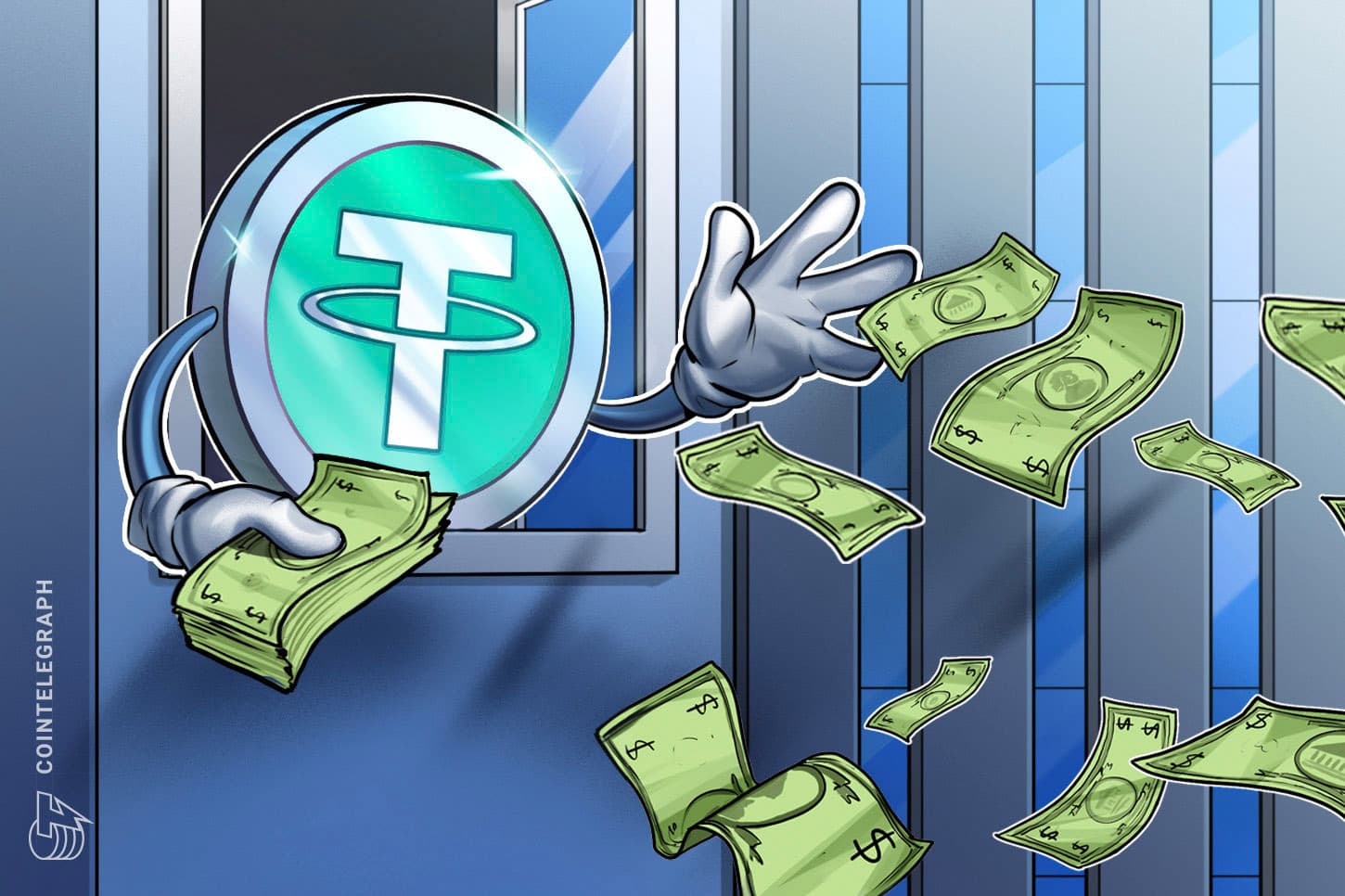
Tether Posts $1.5B Q2 Profit Fueled by Treasury Holdings

Trump Orders Iran Strike: Shockwaves Across European Markets
![[CRFSA] CARREFOURSA CARREFOUR SABANCI TİCARET MERKEZİ A.Ş.
Kurumsal Yönetim Bilgi Formu (Güncelleme) - Yönetim Kurulu-3 - YÖNETİM KURULU - 3 - GÜNCELLEME](/_next/image?url=%2Fuploads%2Fkap-default.png&w=3840&q=75)
[CRFSA] CARREFOURSA CARREFOUR SABANCI TİCARET MERKEZİ A.Ş. Kurumsal Yönetim Bilgi Formu (Güncelleme) - Yönetim Kurulu-3 - YÖNETİM KURULU - 3 - GÜNCELLEME
[CRFSA] CARREFOURSA CARREFOUR SABANCI TİCARET MERKEZİ A.Ş. Kurumsal Yönetim Bilgi Formu (Güncelleme) - Yönetim Kurulu-2 - YÖNETİM KURULU - 2 - GÜNCELLEME
[CRFSA] CARREFOURSA CARREFOUR SABANCI TİCARET MERKEZİ A.Ş. Kurumsal Yönetim Bilgi Formu (Güncelleme) - Yönetim Kurulu-1 - YÖNETİM KURULU - 1 - GÜNCELLEME