
Robinhood CEO’s X Account Hijacked to Push Fake “VLAD” Memecoin
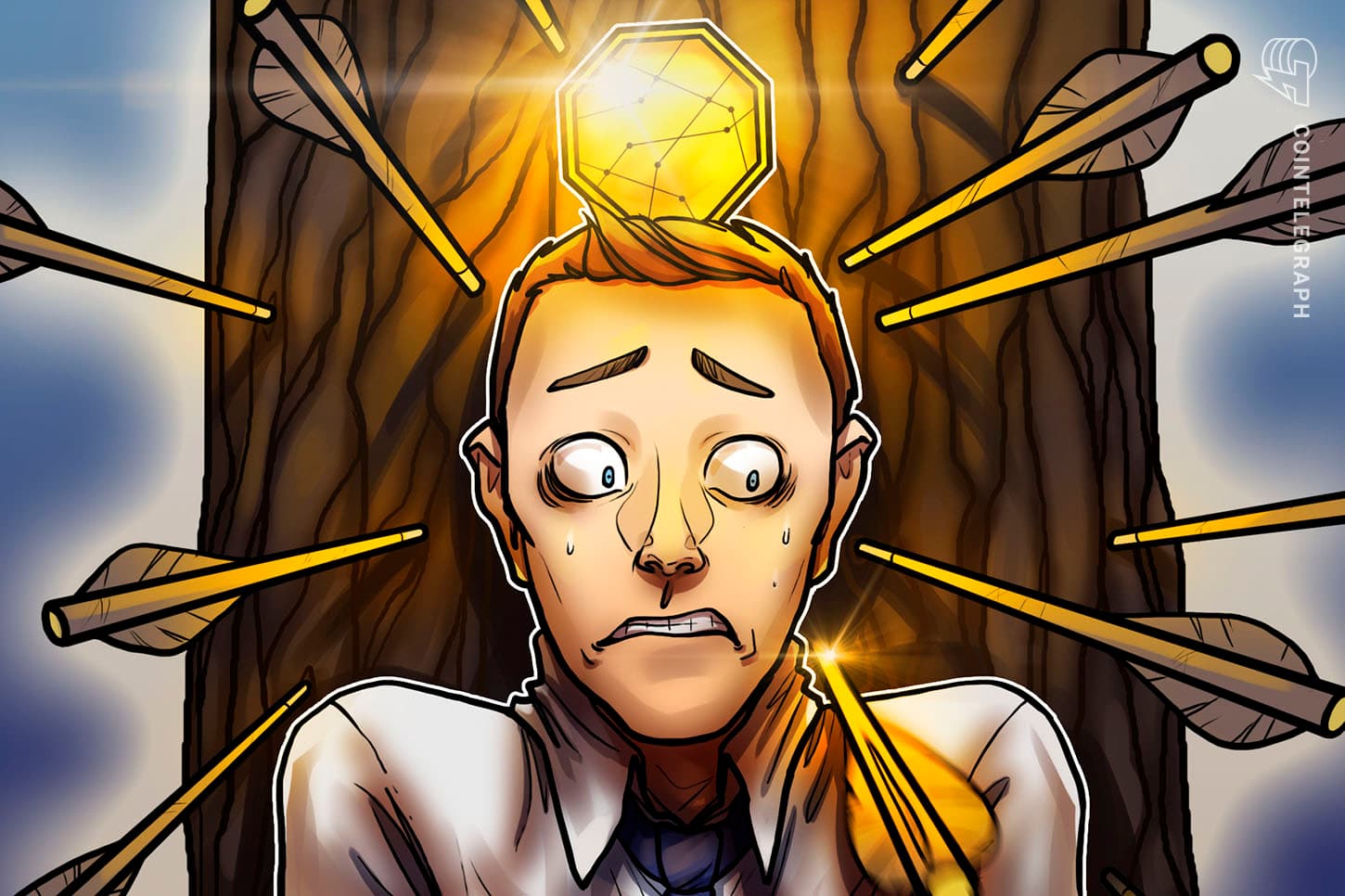
Robinhood CEO Vlad Tenev had his X (Twitter) account hijacked to promote a fake “VLAD” memecoin, amassing 175,000 views in under 20 minutes.
Hackers’ Playbook and Rapid Spread
The post featured a counterfeit token contract address; users quickly flagged the content as a scam. Such social‑engineering attacks remain one of the most effective entry points in the crypto community.
On‑Chain Footprint and Financial Impact
On‑chain data providers reported the breach involved roughly 650 ETH (about $1.2‑1.3 million) worth of Ether. An independent sleuth identified a wallet that spent $126.81 to buy 47.2 million VLAD tokens, which, at current prices, represents an unrealized profit of approximately $159,000.
Robinhood’s Crypto Security Response
Robinhood said it is reviewing its security protocols and will enhance multi‑factor authentication in partnership with X. The firm pledged a more proactive stance against “social‑media‑driven fake token” threats as crypto adoption accelerates.
Market and Investor Reaction
While such social‑media‑driven token scams can cause short‑term price volatility, the long‑term investor confidence impact remains modest. Nevertheless, attacks on high‑profile platforms like Robinhood intensify regulator and exchange pressure to tighten cyber‑risk oversight.
Analyst Note (Cem Talu): This incident underscores that phishing attacks via social media continue to pose a significant threat to the crypto ecosystem. When senior executives of major retail platforms become targets, both brand reputation and user funds are at stake. Real‑time on‑chain monitoring and instant token tagging (e.g., “scam” labels) are essential to contain damage. Investors should always verify contract addresses before any token acquisition and rely on reputable on‑chain analytics providers for due diligence.