Russia's Economy Slows as U.S. Sanctions Tighten
724FinanceKemal Tekin
Key Highlights
Rusya'nın ekonomisi, ABD'nin Rus **roz ve nükleer ürünler** alıcılarını hedef alan yeni yaptırım planlarıyla karşı karşıya. Bu yaptırımlar, Rusya'nın

Russia's economy faces mounting pressure as the U.S. advances legislation targeting buyers of Russian oil, uranium, and natural gas, aiming to cripple its fossil fuel-dependent economy. Despite generating daily revenues of 734 million euros, Russia's growth has stalled, with projections of just 0.4% for 2026. After rebounding in 2023 with 4.1% growth, the economy now grapples with soaring military costs and declining energy prices.
U.S. Sanctions and Energy Dependency
War Costs and Budget Overhaul
Iran Conflict and Energy Disruptions
Labor Shortages and Inflation Surge
Military Overheating vs. Civilian Stagnation
Russia’s economic resilience is eroding under dual pressures: unsustainable war costs and global trade restrictions. If U.S. secondary sanctions materialize, Russia may lose access to critical energy revenues and imports, jeopardizing both the Ukraine war and Putin’s territorial ambitions in Donbas.
Related News & Analysis
View All →
Meta’s $18 Billion Settlement: Child Safety and the Surprising Stock Surge

AI and Investors Converge: StrictlyVC’s New York Summit Signals a Shift in Venture Capital

SSENSE’s U.S. Pivot: Navigating Trump‑Era Tariffs with a Bold New Trade Play
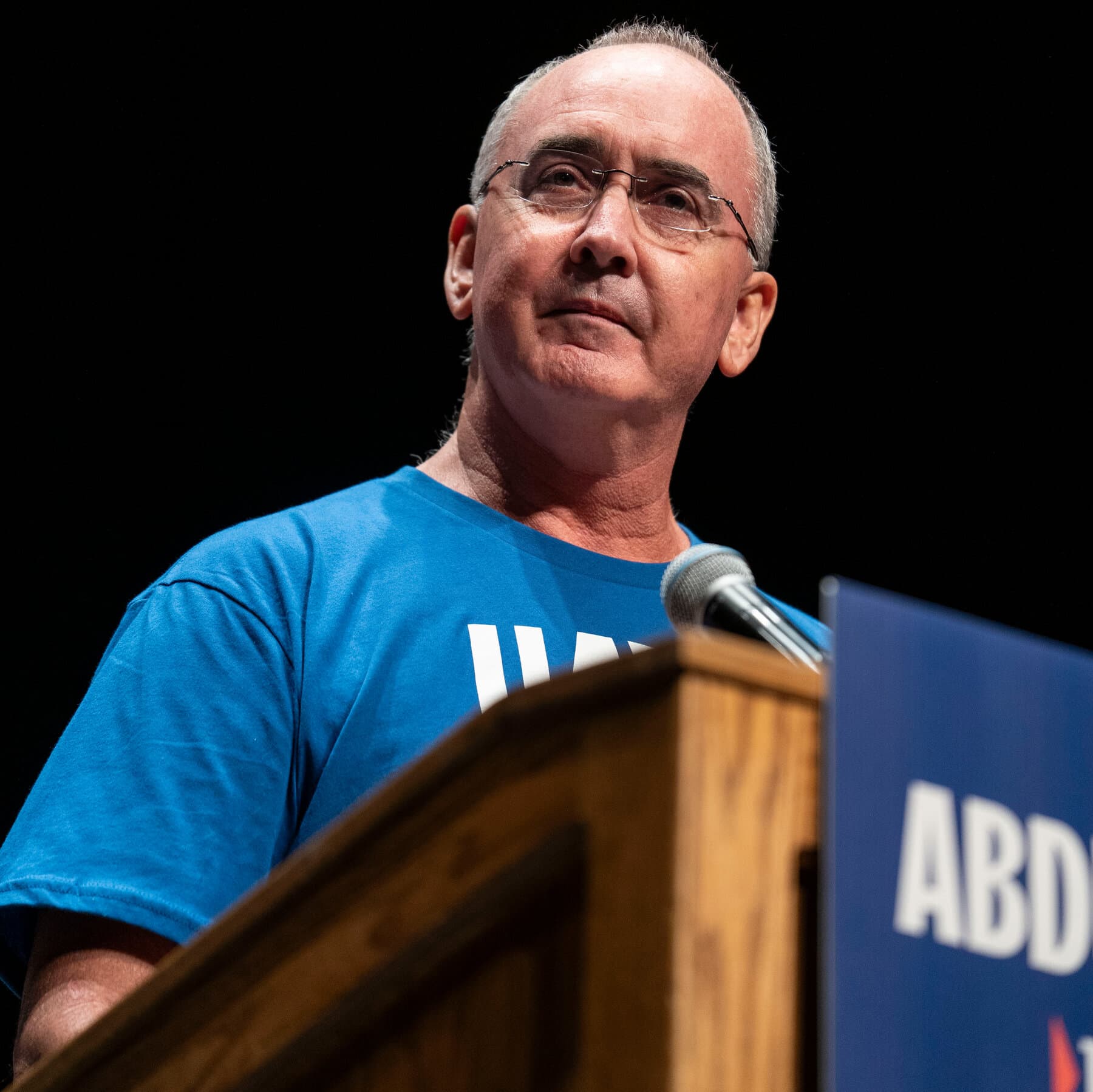
Shawn Fain’s Re‑Election Fight Reshapes Auto Industry and Wall Street

Gap’s Comeback Playbook: Discount Trim and Hailey Bieber Partnership

Brent Crude Climbs to $89.68 on August 27, 2026: Market Dynamics and Strategic Reserve Impact
Latest Market News
All News →
U.S. Negotiates Ownership Stakes in Venezuela's Oil Fields

Zinc Climbs to $4,000: Stock Sell‑Off Fuels Price Support
Meta’s $18 Billion Settlement: Child Safety and the Surprising Stock Surge
AI and Investors Converge: StrictlyVC’s New York Summit Signals a Shift in Venture Capital