
Fed Keeps Rates Steady as Markets React to Inflation Pressures and AI Investments
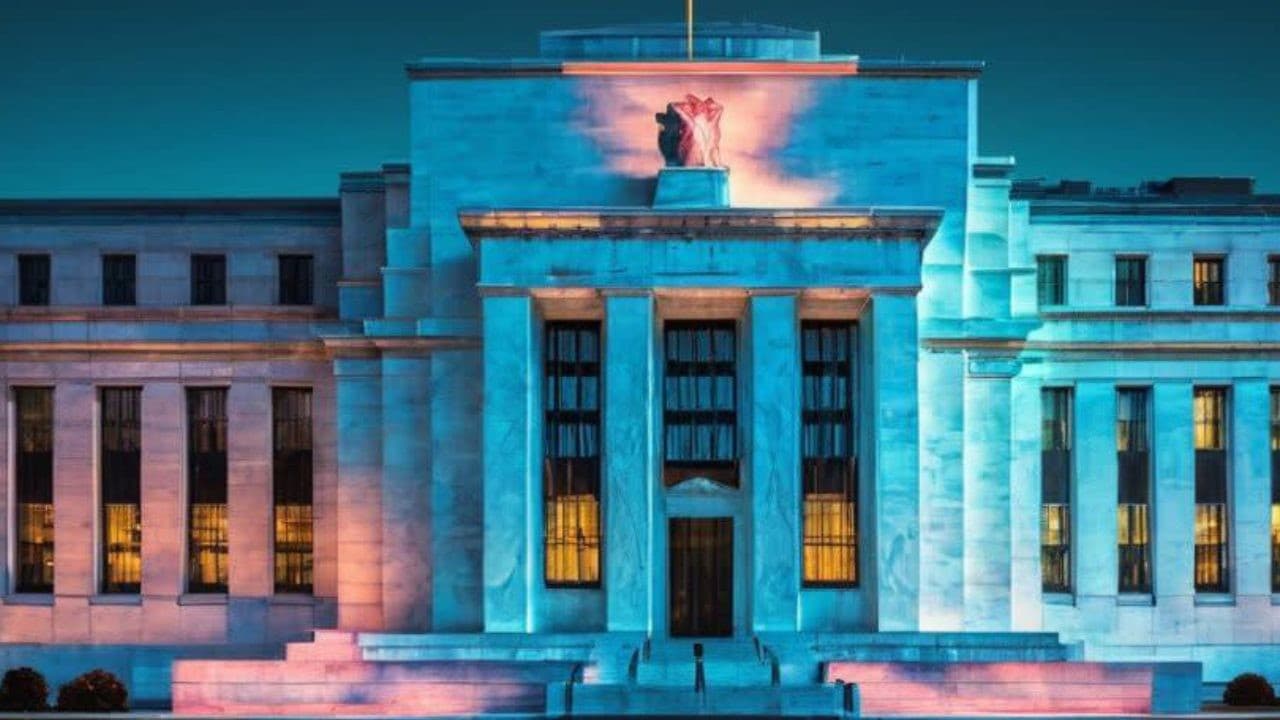
The Federal Reserve (Fed) announced its July rate decision, maintaining the target range at 3.50% - 3.75% as expected. The Federal Open Market Committee's (FOMC) statement confirmed no change in the policy rate.
Fed's Dissenting Votes and Inflation Pressures
The FOMC's decision to keep the policy rate between 3.50% and 3.75% was approved by 9 votes to 3. Three members voted for a rate hike: Cleveland Fed President Beth Hammack, Minneapolis Fed President Neel Kashkari, and Dallas Fed President Lorie Logan, advocating for a 25 basis point increase. This was the first time in 2016 that three members voted against the same policy change, signaling growing pressure within the Fed to address inflation above its target.
Fed's Past Rate Policy and New Chair's Role
The Fed maintained the policy rate in the first five meetings of last year, while cutting 75 basis points in September, October, and December. Following three consecutive rate cuts last year, the bank also held rates steady in the first four meetings of this year. With this decision, Kevin Warsh, the Fed's new chair, did not change the policy rate in his second meeting in office.
Warsh's Inflation Message and Market Signals
Fed Chair Kevin Warsh reiterated that the Fed would not compromise on its inflation target, stating that a permanent turnaround in inflation would take time. Warsh assured that prices are tracking with the bank's target, affirming the Fed's effectiveness in fighting high inflation. He noted that while inflation improvement would take time, higher rates could be part of the solution if inflation proves to be persistent. Warsh also stated that June's core consumer price index data did not significantly impact the rate decision.
Market Reactions and AI Investments
Warsh noted that markets focused on economic data between meetings, acting in real time. He highlighted that Treasury markets signal a strong and stable U.S. economy, while noting that the Fed does not need to be the sole focus of attention. Warsh also mentioned that the economy faces price increases due to various shocks, while AI infrastructure investments continue.
Markets will react to this news. The Fed's commitment to its inflation target will be critical for maintaining the value of the U.S. dollar. While AI sector investments offer long-term growth potential, markets will likely adopt a more cautious stance amid inflation pressures.