
Stanton Warns of Economic Risks as Hormuz Closure Threatens Global Trade
724FinanceDefne Aydın
Key Highlights
Amerikan Kongreso üyesi Greg Stanton, Trump yönetiminin İran ile daha hesap verebilir bir anlaşma yapabilmek ve Hormuz Boğazı'nı yeniden açabilmek içi
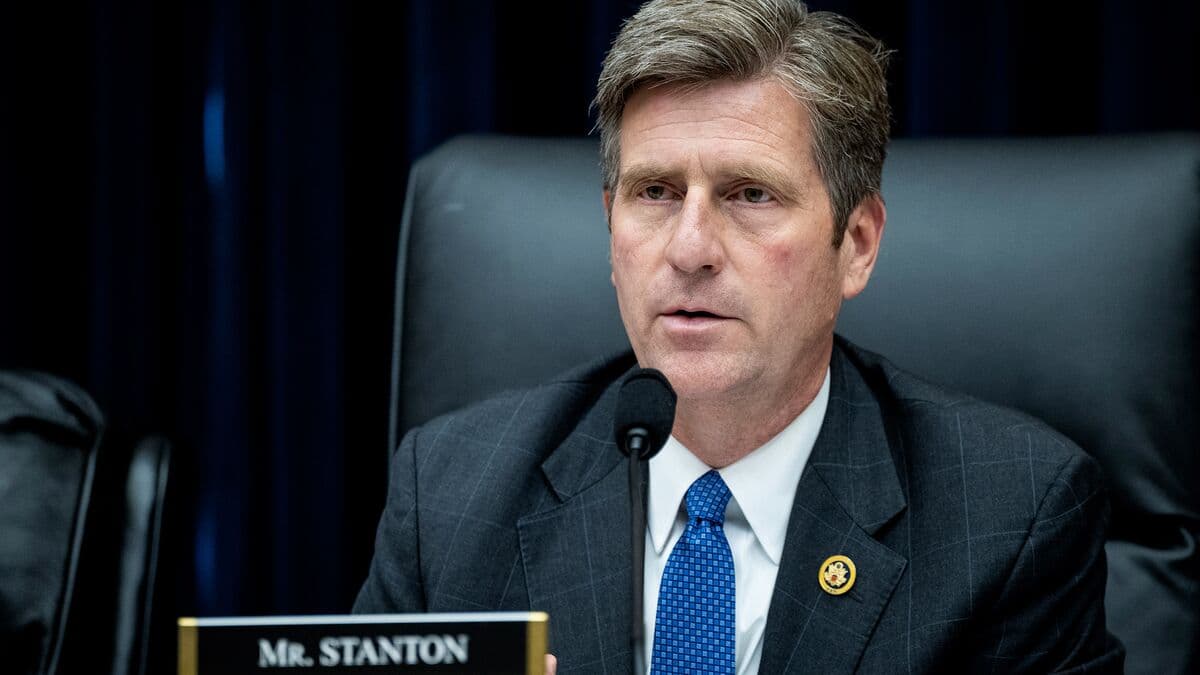
U.S. Congressman Greg Stanton has warned that the Trump administration must adopt a stronger diplomatic strategy to reopen the Strait of Hormuz and negotiate a more accountable agreement with Iran, citing heightened economic and geopolitical risks. While emphasizing the need for closer ties with Canada, Mexico, and other U.S. allies to counter China's influence, Stanton also condemned settler violence in the West Bank following an incident involving Rep. Ro Khanna.
Hormuz Strait: The Energy Lifeline Under Threat
U.S.-Iran Relations and Diplomatic Recalibration
Strategic Implications for Market Volatility
Kemal Tekin's Note: The closure of Hormuz delivers a direct blow to global energy chains, while U.S. political uncertainty adds another layer of risk for investors. Asia-Pacific exchanges are most vulnerable to the ripple effects of this volatile diplomatic process, with energy-dependent nations facing inevitable cost increases.
Related News & Analysis
View All →
Dolly Parton’s Business Innovation: Reshaping Her Music Empire
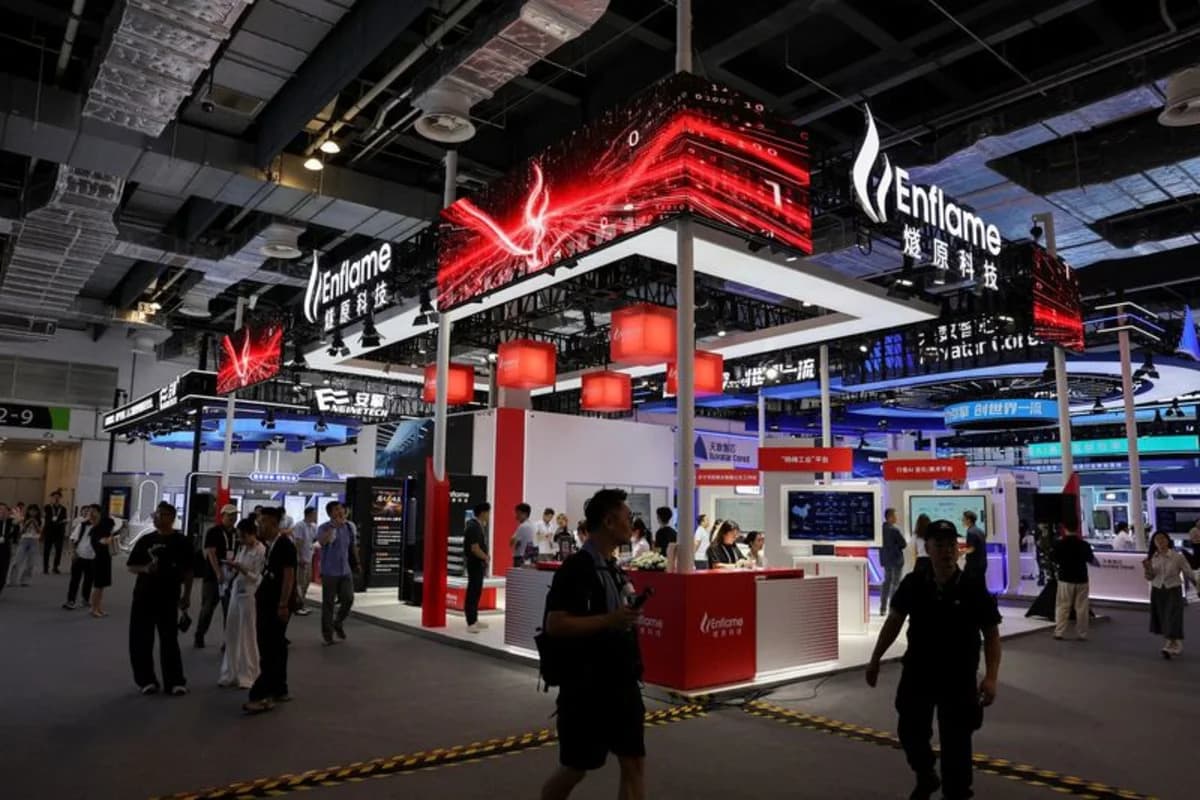
Enflame's $900 Million Shanghai IPO: A New Surge in China's AI Chip Arena

Cyber Assault Hits Boston Scientific: Operations Plunged into Chaos

US-Canada Trade Clash: 50% Tariff, Oil Left Untouched

Sweden’s Startup Surge: Lovable’s $400 M Funding Breaks Records
FDA Approves Daraxonrasib, A Potential Game-Changer for Pancreatic Cancer
Latest Market News
All News →![[YEOTK] YEO TEKNOLOJİ ENERJİ VE ENDÜSTRİ A.Ş.
Finansal Duran Varlık Satışı - Finansal duran varlık satışı](/_next/image?url=%2Fuploads%2Fkap-default.png&w=3840&q=75)
[YEOTK] YEO TEKNOLOJİ ENERJİ VE ENDÜSTRİ A.Ş. Finansal Duran Varlık Satışı - Finansal duran varlık satışı
[EMPAE] EMPA ELEKTRONİK SANAYİ VE TİCARET A.Ş. Finansal Duran Varlık Edinimi - Şirket Kuruluşu Hakkında
[BALAT] BALATACILAR BALATACILIK SANAYİ VE TİCARET A.Ş. Payların Geri Alınmasına İlişkin Bildirim - 26.08.2026 Tarihli Pay Geri Alımı Hakkında

Apple Unveils Foldable iPhone: A Tech Revolution with Market Implications
Japan Aims to Revolutionize Securities Trading with 24/7 Blockchain System
