De-escalation in US-Iran Tensions: Global Energy Corridors and Markets Breathe a Sigh of Relief
ABD Başkanı Donald Trump'ın İran'a yönelik askeri misilleme kararını son anda iptal ettiğini açıklaması, küresel emtia piyasalarında ve risk iştahında
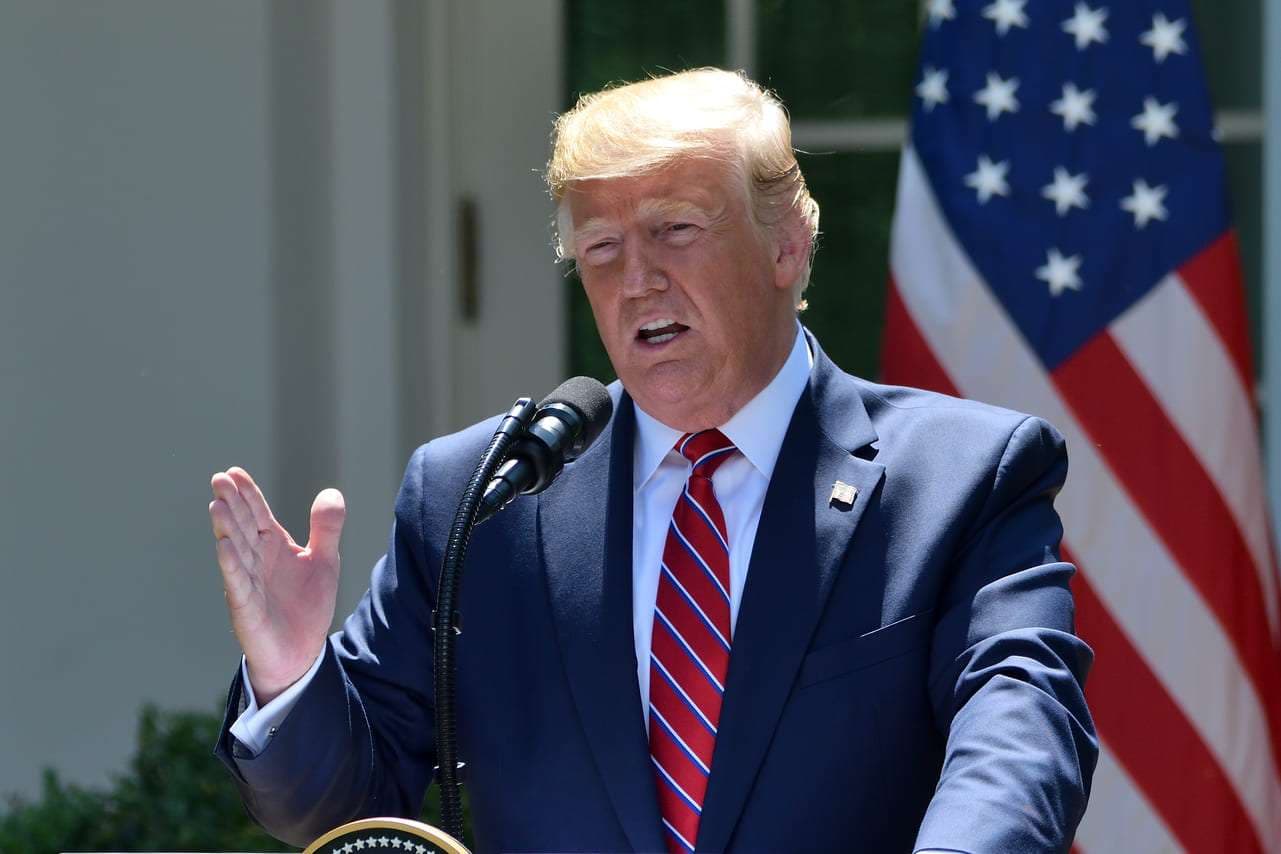
US President Donald Trump's announcement that he called off a military strike on Iran at the last minute has triggered a sudden shift in global commodity markets and risk appetite. As a potential military conflict was averted, supply security concerns in key energy corridors eased, prompting financial markets to reprice geopolitical risk premiums.
Oil Price Volatility and the Geopolitical Premium on the Strait of Hormuz
The US decision to step back from military action eased pressure on the Strait of Hormuz, a critical maritime transit point for approximately 20% of global oil supply. Following the announcement, key market dynamics emerged:
Capital Outflow from Safe Havens and Emerging Market Dynamics
The reduction in geopolitical risk premium triggered a reallocation of global capital from safe-haven assets back into risk assets, directly impacting macroeconomic indicators:
The temporary easing of geopolitical risks provides central banks, particularly the Fed, with a more predictable framework for monetary policy. From a commercial lending perspective, preventing sudden energy price shocks relieves pressure on SMEs' working capital and mitigates credit default risks. However, such transient relief does not warrant a loosening of macroprudential measures; the banking sector must continue to maintain robust liquidity buffers and stringent credit underwriting standards.
Related News & Analysis
View All →
HSBC's Top Traded Stocks: Signals That Decode Market Dynamics

TOBB Chief Hisarcıklıoğlu Issues Critical Remarks on Inflation and Credit Access
Fed Expectations Shake Commodities: Gold, Silver, Dollar, and Treasury Yields Surge Amid Uncertainty

Pentagon Leak: US Commander Warns of Critical Bottleneck in Israel Defense
Bank of America’s Top-Traded BIST 100 Stocks and Market Dynamics
Tera Investment’s July Stock Moves: Dividend Champions and Buyback Strategies
Latest Market News
All News →HSBC's Top Traded Stocks: Signals That Decode Market Dynamics

China’s Deep‑UV Lithography Leap Shakes the Global Chip Market
Trump Media Accelerates Digital Asset Dump: Bitcoin Reserves Hit Critical Low

Istanbul Retail Price Index: Shock Volatility in July 2026

Export Shield: Aydın Cracks Down on Toxin Risks in Fig Production