Economy

Trump's Nuclear Gambit: Saudi Energy Deal Tethered to Abraham Accords
724FinanceHakan Çelik
Trump's Nuclear Gambit: Saudi Energy Deal Tethered to Abraham Accords

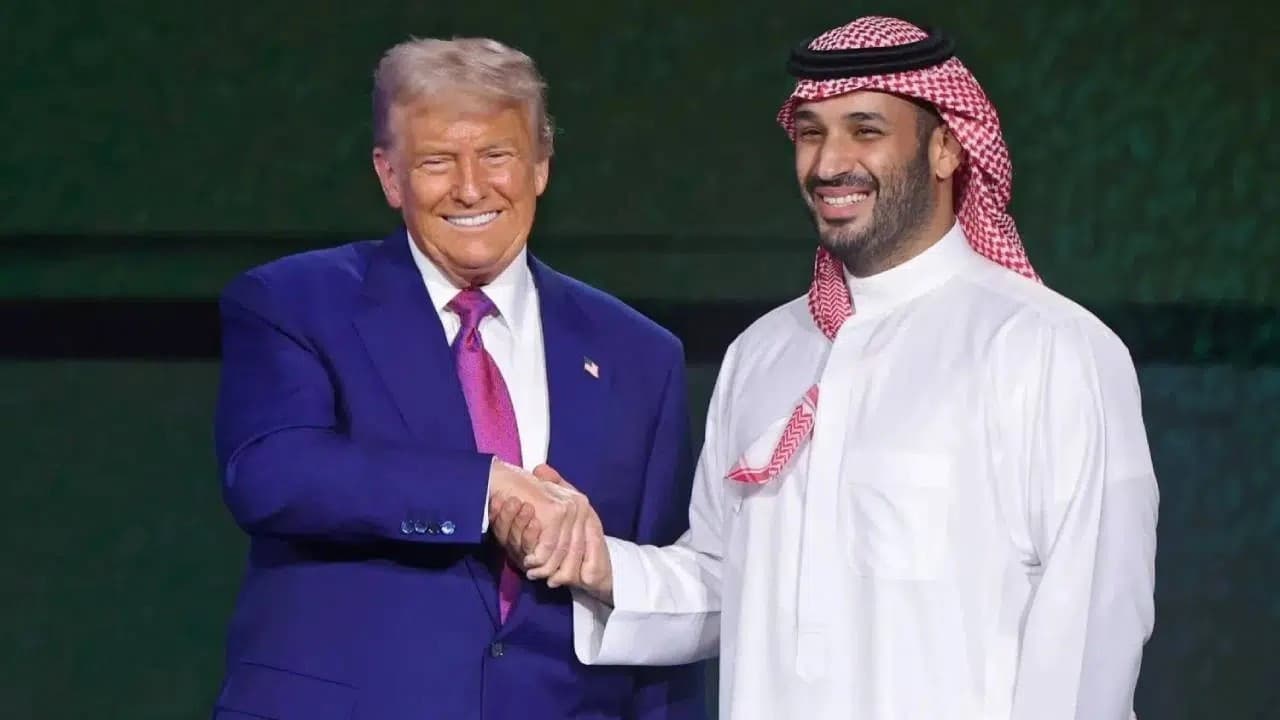
U.S. President Donald Trump has tethered a multi-billion dollar civil nuclear cooperation agreement with Saudi Arabia to the Kingdom's participation in the Abraham Accords, reshaping the intersection of energy policy and Middle Eastern diplomacy. The move signals that Washington views nuclear technology not merely as a commercial commodity, but as a strategic lever to drive regional realignment.

The Multi-Billion Dollar Nuclear Pivot

Known as the "123 Agreement," the framework established between the U.S. Department of Energy and Saudi Arabia provides the legal foundation for a decades-long strategic partnership. Negotiated between U.S. Energy Secretary Chris Wright and Saudi Energy Minister Prince Abdulaziz bin Salman Al Saud, the deal is designed to advance both economic and strategic objectives.

  • The partnership is projected to span decades, creating a massive economic footprint for both nations.

  • It provides American companies with unprecedented access to Saudi Arabia's nuclear energy program, boosting domestic supply chains.

  • The scope is strictly limited to non-enrichment, civilian-use nuclear technology to ensure stability.
  • Diplomacy as a Prerequisite

    White House Press Secretary Karoline Leavitt confirmed that the finalization of the energy deal is contingent upon Saudi Arabia joining the Abraham Accords. This conditionality underscores the administration's intent to use technological exports as a tool for diplomatic integration. Donald Trump is positioning the nuclear deal as a direct incentive for Riyadh to deepen its ties with regional partners.

    Safeguarding Proliferation Risks

    U.S. Secretary of State Marco Rubio emphasized that any nuclear cooperation would be subject to rigorous security measures to prevent the conversion of civilian programs into weapons programs. The U.S. aims to maintain its competitive edge in civil nuclear technology while upholding global non-proliferation standards.

  • The agreement mimics the models seen in Iran and the UAE, focusing exclusively on non-military applications.

  • Strict oversight will be implemented to ensure no material enrichment occurs.

  • The deal is expected to strengthen U.S. technological dominance while enhancing regional energy security.
  • Hakan Çelik

    Financial Analyst: Hakan Çelik

    Maliye Politikaları ve Kamu Finansmanı Direktörü. Türkiye ekonomisindeki vergi reformlarını, bütçe açıklarını ve istihdam piyasasındaki yapısal problemleri irdeleyen otoriter ekonomist.

    Disclaimer: The investment information, comments, and recommendations contained herein are not within the scope of investment advisory. Investment advisory services are provided individually by authorized institutions, taking into account the risk and return preferences of individuals. The comments and recommendations contained herein are general in nature. These recommendations may not be suitable for your financial situation and your risk and return preferences. Therefore, making an investment decision based solely on the information contained herein may not produce results that meet your expectations.

    © 2026 724Finance - All Rights Reserved.Original Source: Ekonomim.com