
UBS Issues Major Gold Forecast: Timeline Set for $5,000 Target
Küresel emtia piyasalarında gözler, makroekonomik belirsizlikler ve merkez bankalarının faiz patikaları eşliğinde şekillenen yeni dengelere çevrilirke

As global commodity markets recalibrate under the weight of macroeconomic uncertainties and central bank policy paths, Swiss banking giant UBS has revised its medium-term projections for gold. With spot gold currently consolidating around $4,295 per ounce—approximately 23% below its record high of $5,594 seen in late January—market participants are increasingly viewing this correction as a strategic accumulation phase.
The Fed's "Higher-for-Longer" Stance and the Pressure on Bullion
Against a backdrop of geopolitical tensions and persistent inflationary pressures, the U.S. Federal Reserve (Fed) maintained its benchmark interest rate at the 3.50% - 3.75% range last week, signaling a commitment to its restrictive monetary stance. While high interest rates increase the opportunity cost of holding non-yielding assets like gold, they have not derailed the long-term bullish thesis.
Tactical Entry Points and Strategic Portfolio Allocations
UBS Chief Investment Officer Mark Haefele highlighted the potential benefits of short-term price corrections for long-term investors. According to Haefele, temporary dips driven by interest rate anxieties represent prime entry points for strategic positioning.
The expectation that the high global interest rate environment will persist through the end of 2026 directly impacts not only commodity markets but also commercial credit dynamics in emerging markets. In Turkey, as macroprudential measures and tight monetary policies continue to squeeze the banking sector, the contraction in SME loans and the slowdown in commercial credit growth are becoming more pronounced. With funding costs remaining elevated, banks' credit appetite is restricted, which may drive the real sector toward alternative financing channels or defensive assets like gold. The prospect of the Fed delaying rate cuts to 2027 suggests that local funding costs will remain higher for longer, extending the selective lending approach in commercial credit. For the banking sector, this period will demand a strict focus on preserving asset quality and optimizing liquidity management.
Related News & Analysis
View All →Citi Raises 2026 Q3 Brent Forecast to $80 per Barrel
Halkbank's 25% Capital Boost and Secondary Offering Move
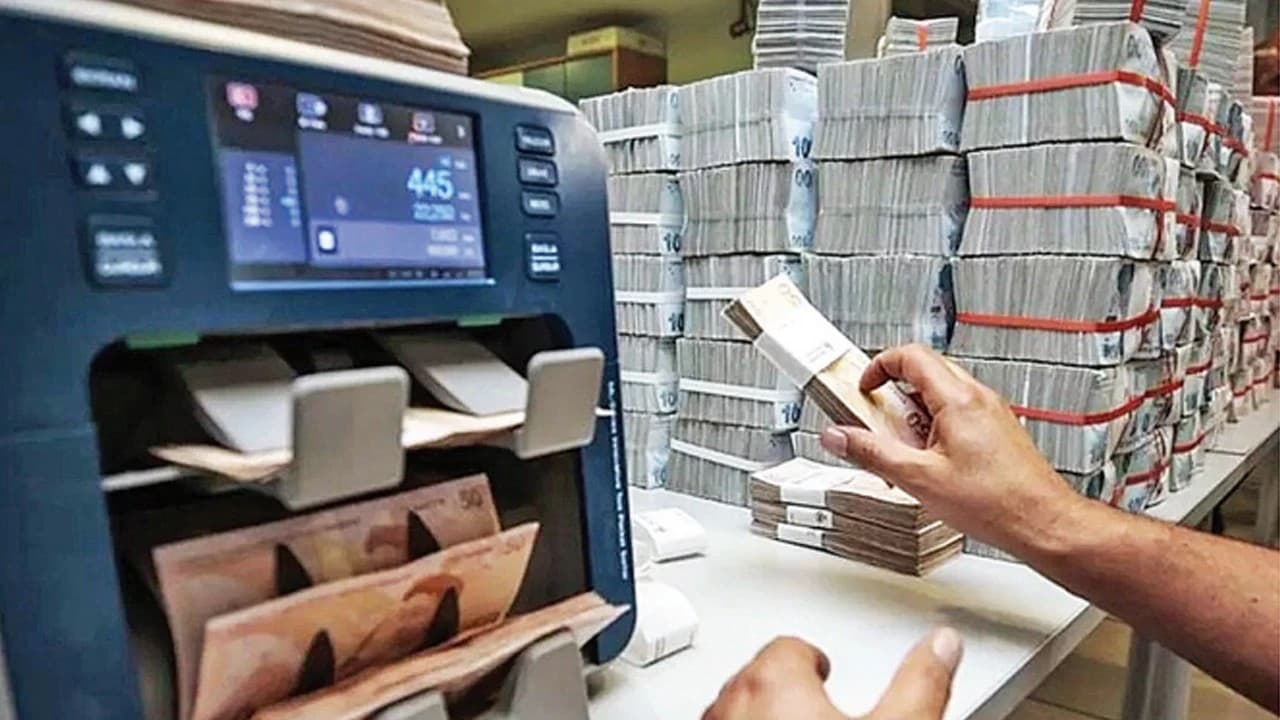
Commercial Credit Accelerates, Risk Indicator Rises: New Currents in Turkish Banking

Çitlekçi Food Co.'s 2.69 Billion Lira IPO Initiative

Fitch's Shock 2026 Oil Forecast: Brent May Slip Below $70
Commercial Loans Show Dual Dynamics: Growth Accelerates While Delinquency Rises
Latest Market News
All News →
VakıfBank Sets Record with TL 5.81 Trillion Asset Balance Sheet
Nvidia’s Stock Posts Record Weekly Surge: Two Core Drivers and What Investors Should Watch

World Bank Grants $100 Million to Revamp Syria’s Financial Landscape
Gold's New Frontier: Capitalizing on a Slipping Dollar

Trump Reignites Fed Fight: Lisa Cook’s Removal Battle Resumes
