
Venezuela Merges Diplomacy and Trade Under US Envoy Plasencia
Venezuela, uluslararası ticaret stratejilerini ve diplomatik kanallarını tek bir çatı altında toplayarak dış politika yönetiminde köklü bir reforme im
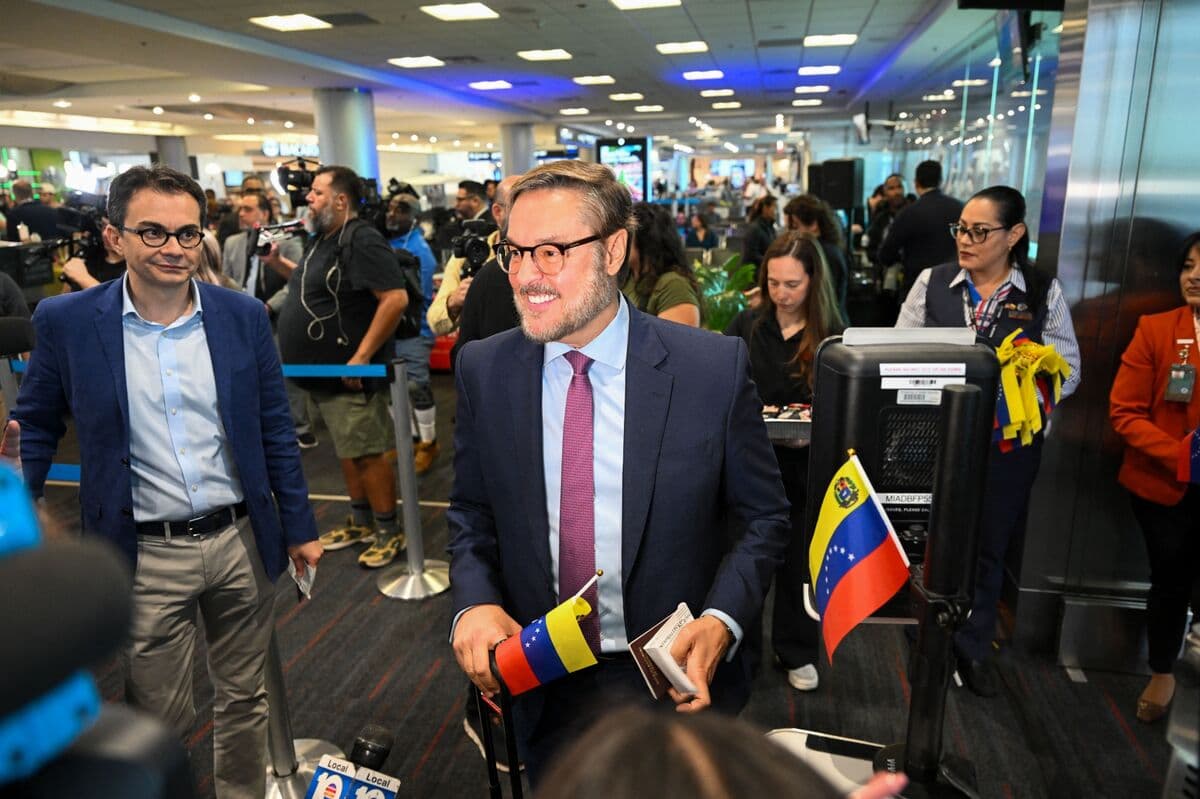
Venezuela is undertaking a profound restructuring of its executive branch, merging international trade strategies with diplomatic channels under a unified command. Acting President Delcy Rodríguez has announced the consolidation of the Foreign Policy and International Trade ministries, appointing the nation's ambassador to Washington, Félix Plasencia, to lead this newly formed super-ministry.
Centralization of Diplomatic and Economic Levers
The Caracas administration's maneuver aims to place commercial diplomacy at the forefront of its strategy to normalize relations with the United States. By merging these portfolios, the government seeks to streamline decision-making mechanisms, coordinating efforts to alleviate sanctions and revitalize economic engagement.
The Plasencia Factor in US-Venezuela Relations
Viewed as a direct reflection of Venezuela's ambition to boost foreign trade volume, this structural overhaul is set to directly impact regulations in the energy and logistics sectors. Plasencia’s experience in Washington is expected to act as a bridge in resolving trade disputes, preparing the diplomatic ground for the liberalization of logistical flows and cargo operations.
From a logistics and air freight perspective, this merger sends a critical signal regarding Venezuela's re-integration into global trade routes. Synchronizing foreign policy with trade could accelerate the process of lifting operational restrictions and sanctions within the aviation sector. If diplomatic channels open effectively, we can anticipate an increase in capacity utilization and a normalization of costs across Latin American cargo lanes; this creates a new window of opportunity for regional air bridge supply chains.
Related News & Analysis
View All →
Brent Crude Climbs to $89.68 on August 27, 2026: Market Dynamics and Strategic Reserve Impact

Healey’s Immigration Forecast Revision Threatens £4 bn Fiscal Headroom

Solana Breaks $100, Bitcoin Surges Past $80,000: A New Fast-Moving Contender in Crypto

Prediction Markets vs. U.S. Government: The Legal Battle Over Kalshi and Polymarket

Le Pen’s Business‑Winning Blueprint and €10 Billion Spending Cut

Alphabet's £260 Million Settlement: The Digital Giant's Legal Exit
Latest Market News
All News →![[NURVK] NUROL VARLIK KİRALAMA A.Ş.
Pay Dışında Sermaye Piyasası Aracı İşlemlerine İlişkin Bildirim (Faizsiz)
/ NRBNK - TRDNVKA22748 ISIN Kodlu Kira Sertifikasının Satışının Tamamlanması](/_next/image?url=%2Fuploads%2Fkap-default.png&w=3840&q=75)
[NURVK] NUROL VARLIK KİRALAMA A.Ş. Pay Dışında Sermaye Piyasası Aracı İşlemlerine İlişkin Bildirim (Faizsiz) / NRBNK - TRDNVKA22748 ISIN Kodlu Kira Sertifikasının Satışının Tamamlanması

BIST 100 Slides as Fed's Warsh Prepares to Speak: Market Awaits Key Signals
BORSA İSTANBUL BISTECH DEVRE KESİCİ UYGULAMASI Pay Bazında Devre Kesici Bildirimi / MRGYO - MRGYO.E işlem sırasında Pay Bazında Devre Kesici Uygulaması devreye girmiştir
[PBT, PBTR] PASHA YATIRIM BANKASI A.Ş. Kurumsal Yönetim İlkelerine Uyum Derecelendirmesi - Kurumsal Yönetim İlkelerine Uyum Derecelendirmesi Revizyonu
[AKSUE] AKSU ENERJİ VE TİCARET A.Ş. Sermaye Artırımı - Azaltımı İşlemlerine İlişkin Bildirim - Tahsisli sermaye artırımı hakkında