
Inflation Gains Meet Iran Conflict, Sending Shockwaves Through Energy Markets
ABD Başkanı Joe Biden, Haziran ayı tüketici fiyatları enflasyonunun beklenenden daha hızlı düşüş gösterdiğini duyurdu, ancak aynı anda İran ile artan
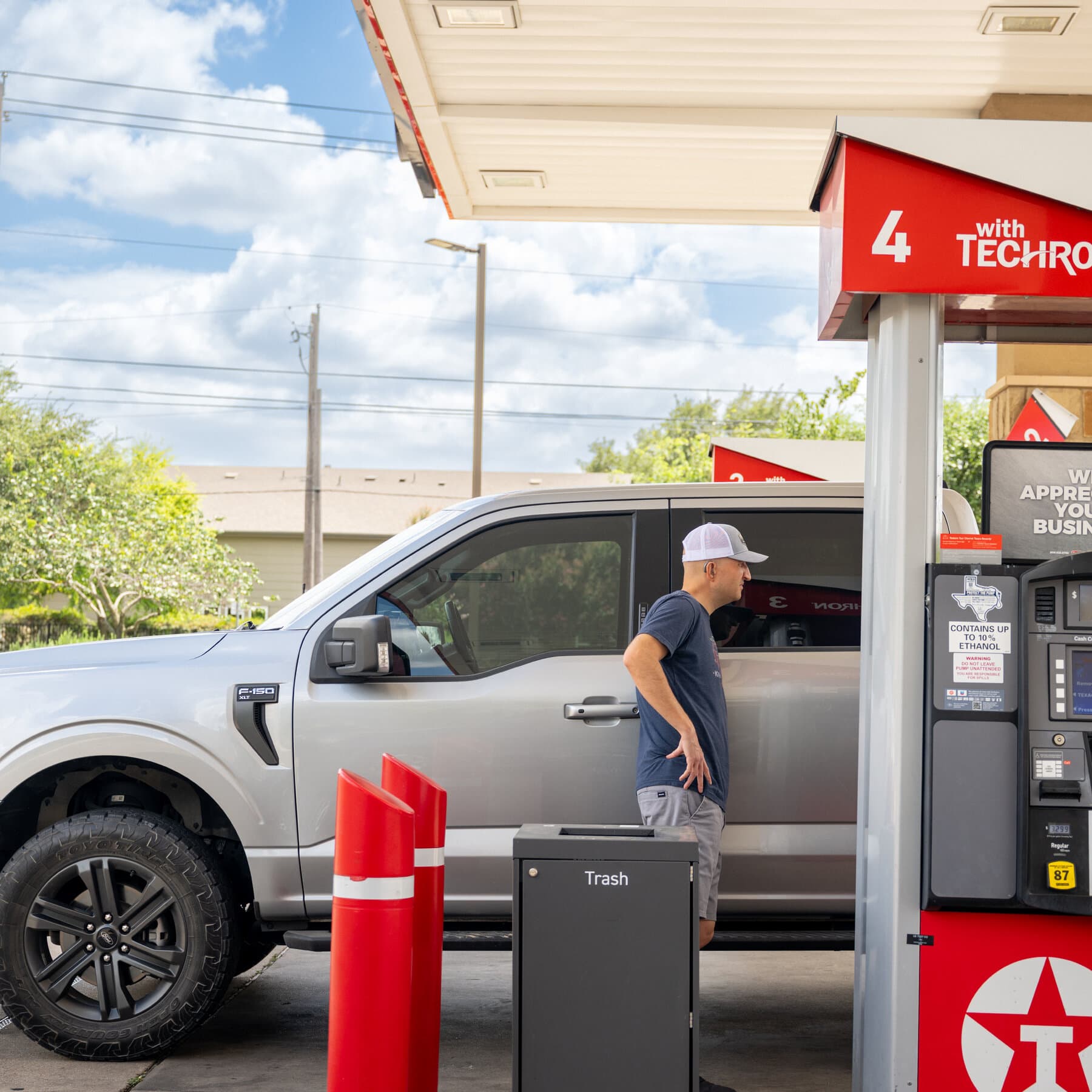
U.S. President Joe Biden announced that June's consumer price inflation fell faster than expected, while escalating attacks between the United States and Iran raised the specter of renewed high energy prices.
A Surprising Turn in Inflation
The U.S. Labor Department reported a 0.3% year‑over‑year drop in CPI, outpacing market forecasts and potentially easing pressure on the Fed's interest‑rate stance.
Middle‑East Tensions Ripple Through Energy Markets
The latest exchange of fire between Iran and the United States threatens oil flows from the region, pushing Brent crude to $85 per barrel. Analysts warn that as long as the conflict persists, energy prices will remain highly volatile.
Chip Production and Rare‑Earth Disputes: An Indirect Link
TSMC’s new fab expansions and ASML’s EUV‑machine supply constraints are energy‑intensive, making them vulnerable to rising power costs. Simultaneously, the China‑U.S. rare‑earth showdown, valued at $1.2 trillion in the semiconductor sector, adds further uncertainty.
Strategic Moves by Market Participants
Markets are confronting a “dual‑shock” scenario as inflation improves faster than anticipated while geopolitical tensions in the Middle East surge. In the short term, energy price swings will reshape cost structures for semiconductor manufacturers and high‑tech giants, while central banks grapple with an increasingly ambiguous policy path. Effective liquidity management and hedging strategies will become paramount for portfolio managers in this volatile environment.
Related News & Analysis
View All →
Pre‑Market Movers: PayPal, Affirm, Gap and Marvell Lead the Charge
SEC Draft Could Lighten Corporate Disclosure Burden, Threaten Investor Transparency
Will Prediction Markets Be Treated as Gambling? U.S. Court Issues Stark Ruling

Kevin Warsh's Jackson Hole Speech: Fed's Minimal Communication Policy and the Fear of Inflation

Trump to Take Control of 65 Billion Barrel Venezuelan Oil

Warsh's Jackson Hole Address: Unveiling the Fed's New Era
Latest Market News
All News →![[RALYH] RAL YATIRIM HOLDİNG A.Ş.
Katılım Finansı İlkeleri Bilgi Formu - Katılım Finansı İlkeleri Bilgi Formu](/_next/image?url=%2Fuploads%2Fkap-default.png&w=3840&q=75)
[RALYH] RAL YATIRIM HOLDİNG A.Ş. Katılım Finansı İlkeleri Bilgi Formu - Katılım Finansı İlkeleri Bilgi Formu
[USAK] UŞAK SERAMİK SANAYİ A.Ş. Sürdürülebilirlik Raporu - TSRS Uyumlu 2025 Yılı Sürdürülebilirlik Raporu Hk
Fed Chair Powell Labels AI a Historic Economic Pivot
Georgieva Calls for Global Stablecoin Regulation: Market Meets Regulation
Pre‑Market Movers: PayPal, Affirm, Gap and Marvell Lead the Charge