
Early Election Uncertainty Caps Investor Risk Appetite: Economic Implications of the Political Calendar
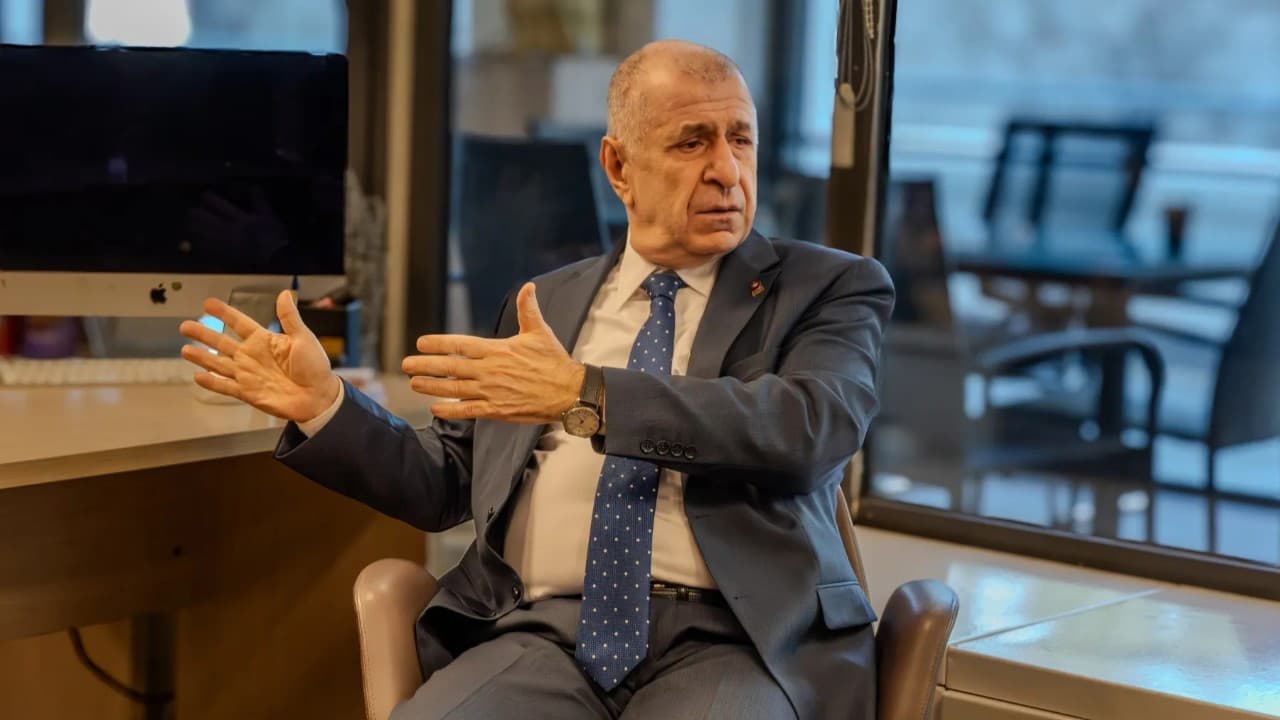
As the most critical variable in Turkey's political agenda, debates over an early election continue to cast a shadow over economic predictability, while statements from Zafer Party Chairman Ümit Özdağ confirm the prevailing uncertainty. In markets where the political risk premium is priced, the structural question marks created by the unknown election date are causing fluctuations in short-term capital flows. Ümit Özdağ emphasized that no one, including President Erdoğan, knows the date of the early election and that the decision depends on creating the "most favorable conditions," signaling that uncertainty processes in macroeconomic policies may prolong.
The Data Vacuum in the Political Calendar
While market players and economic management operate without a concrete data set regarding the election calendar, statements from politicians emerge as the sole determining factor. Özdağ's remarks imply that the administration accepts economic data and public opinion polls as a threshold value and that no election decision will be made before this threshold is crossed. This situation causes monetary and fiscal policy moves to remain indexed to election calculus.
The Short-Term Future of Macroeconomic Policies
The ambiguity of the political climate directly impacts the CBRT's monetary policy stance and tightening steps. Concerns of election economics make it difficult to implement a predictable monetary policy, while the increasing signals of an approaching election heighten the possibility of short-term populist measures being introduced. There is a risk that the economic management will focus on daily data management rather than structural reforms until the election date is clarified.
Markets are responding to this situation by adding a "uncertainty premium." As a Chief Economist, my assessment is that the election date being tied to a "magic formula" blurs the timing of rate cuts. Erdoğan waiting for "favorable conditions" may be contingent upon a permanent decline in inflation or an increase in reserves; however, this waiting process will continue to impose a significant cost on economic activity.