
Israel's Covert Push to Reinstall Iran's Ex-President Fails Amid Geopolitical Tensions
Amerikan basınında yer alan iddialara göre, İsrail'in gizli operasyon yürüttüğü ve eski İran Cumhurbaşkanı **Mahmud Ahmedinejad**'ı ülkenin yeni lider
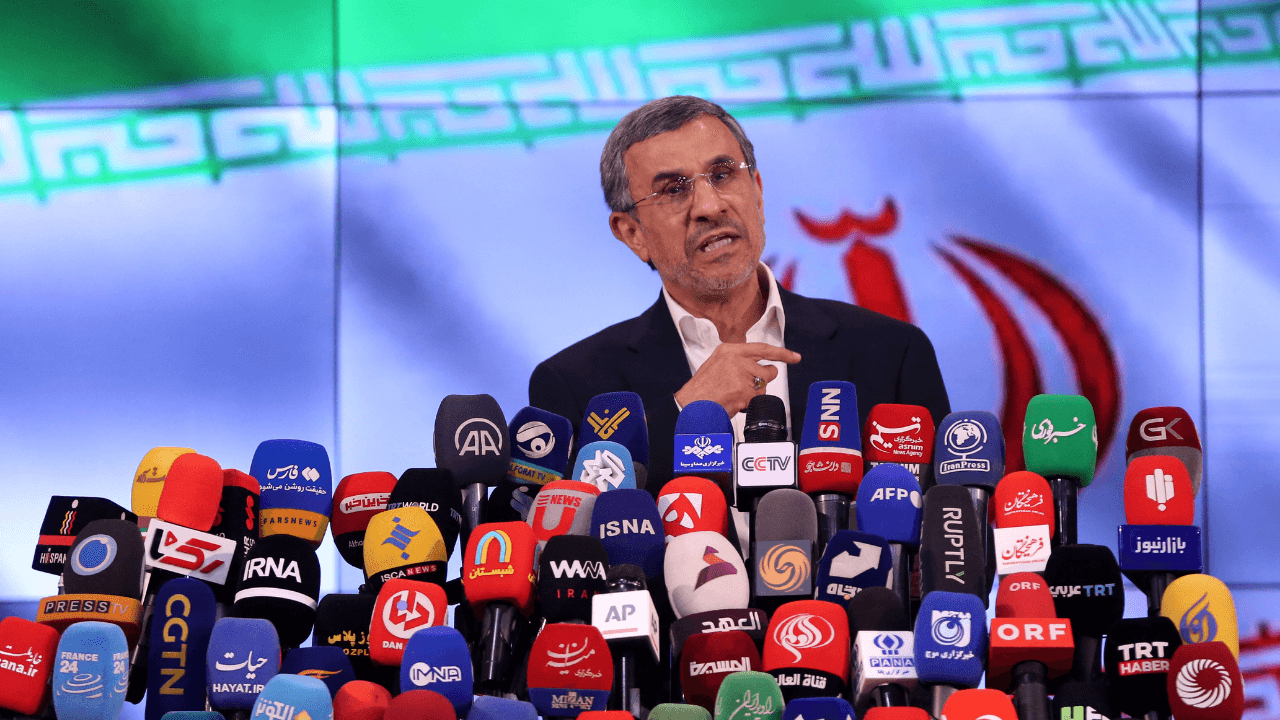
U.S. media outlets report that Israel attempted a covert operation to reinstall former Iranian President Mahmud Ahmedinejad as the country's new leader, but the effort ultimately failed. These allegations suggest that Israel is pursuing internal diplomatic maneuvers to maintain regional influence, while raising concerns about stability and economic implications.
Israel's Strategic Miscalculation
Israel, aiming to preserve Iran's political stance and regional power balance, allegedly sought to bring Ahmedinejad back into leadership. During his presidency from 2005 to 2013, Iran faced a peak in nuclear program disputes and international crises. His return to power could pose significant risks to regional and global economic relations.
Economic Implications and Market Reactions
If the allegations hold true and Ahmedinejad's potential return disrupts the political landscape, energy investments in the Eastern Mediterranean and oil exporters may face substantial losses. Additionally, this development could directly impact currency exchange rates and bond markets. Markets currently perceive these claims as uncertainty, emphasizing the need for active international involvement to ensure stability.
Hakan Çelik: These allegations, seemingly falling from the sky like a shooting star, have profound implications for the global economy. Israel's internal political maneuvers represent a risk not only diplomatically but also in terms of capital flows and investment projections. Particularly, such political developments could threaten short-term price stability in oil and gas supply.
Related News & Analysis
View All →
Cimin Grape Harvest Kicks Off: GI-Labeled Fruit Opens Doors to Global Markets
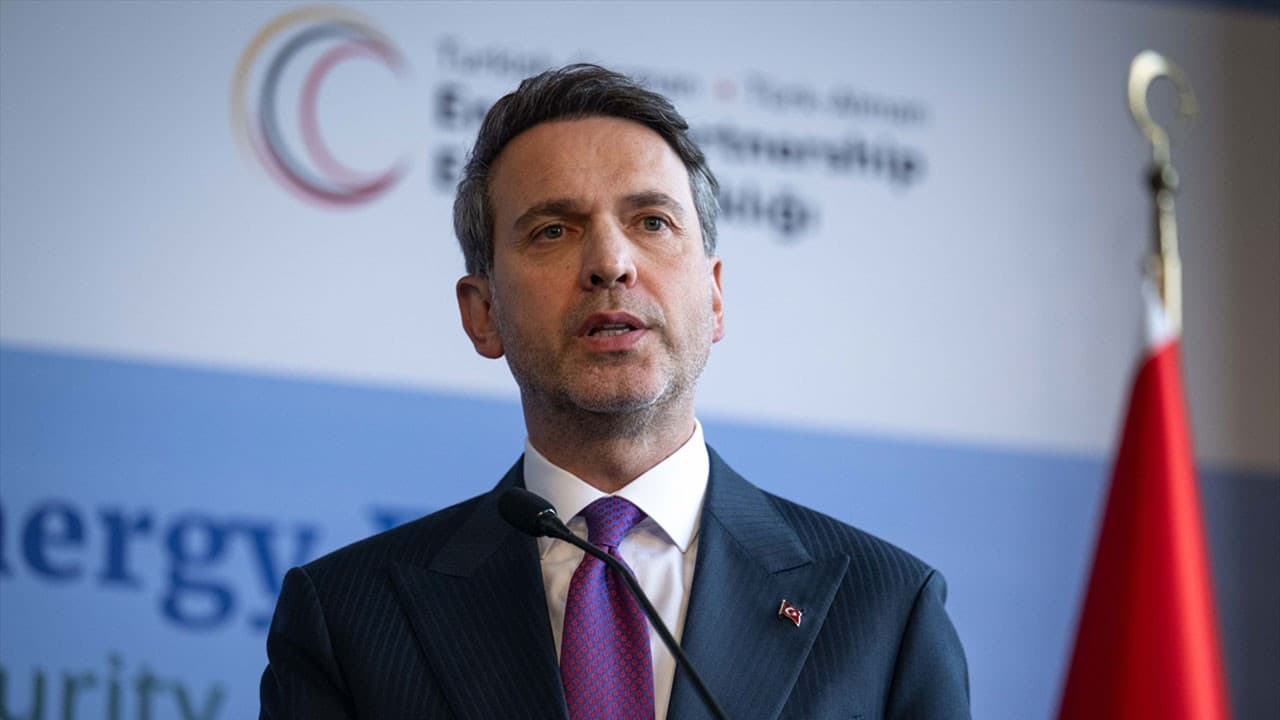
Turkey's Gold Strategy: Seizing the 10,000‑Ton Opportunity
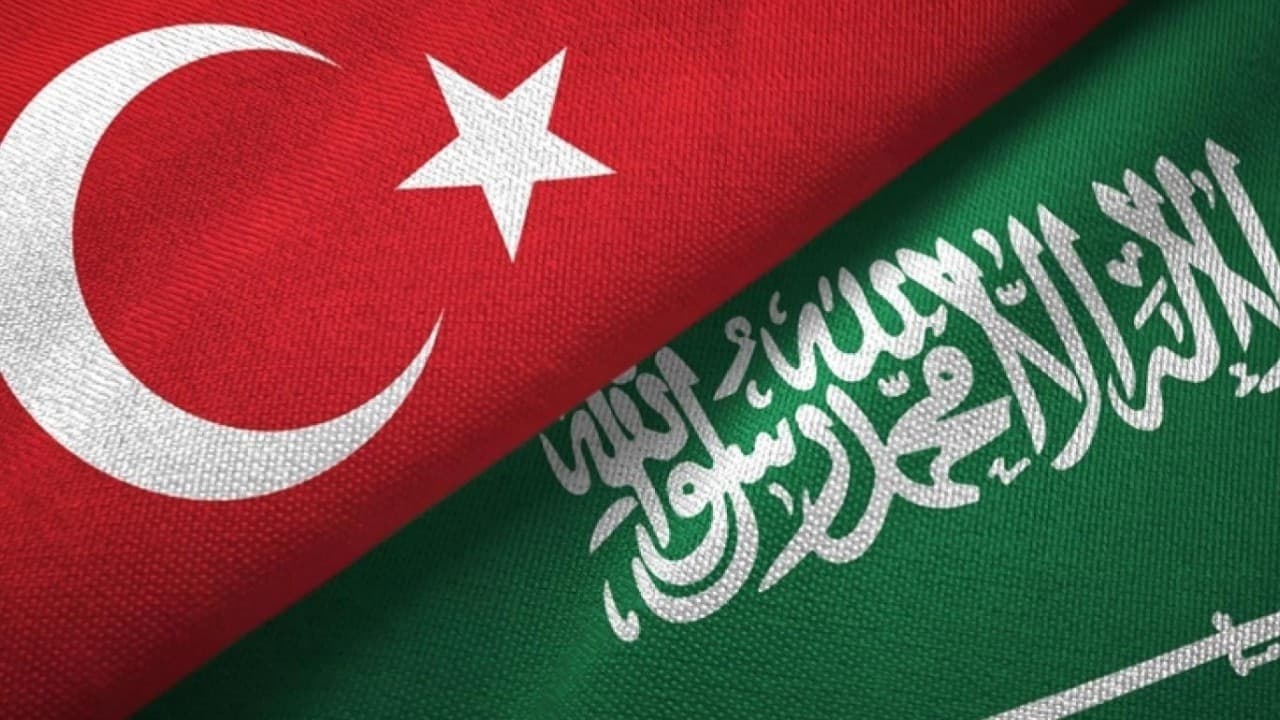
Turkey‑Saudi Arabia Seal 5 GW Renewable Power Deal: A New Dynamic in Regional Energy Balance
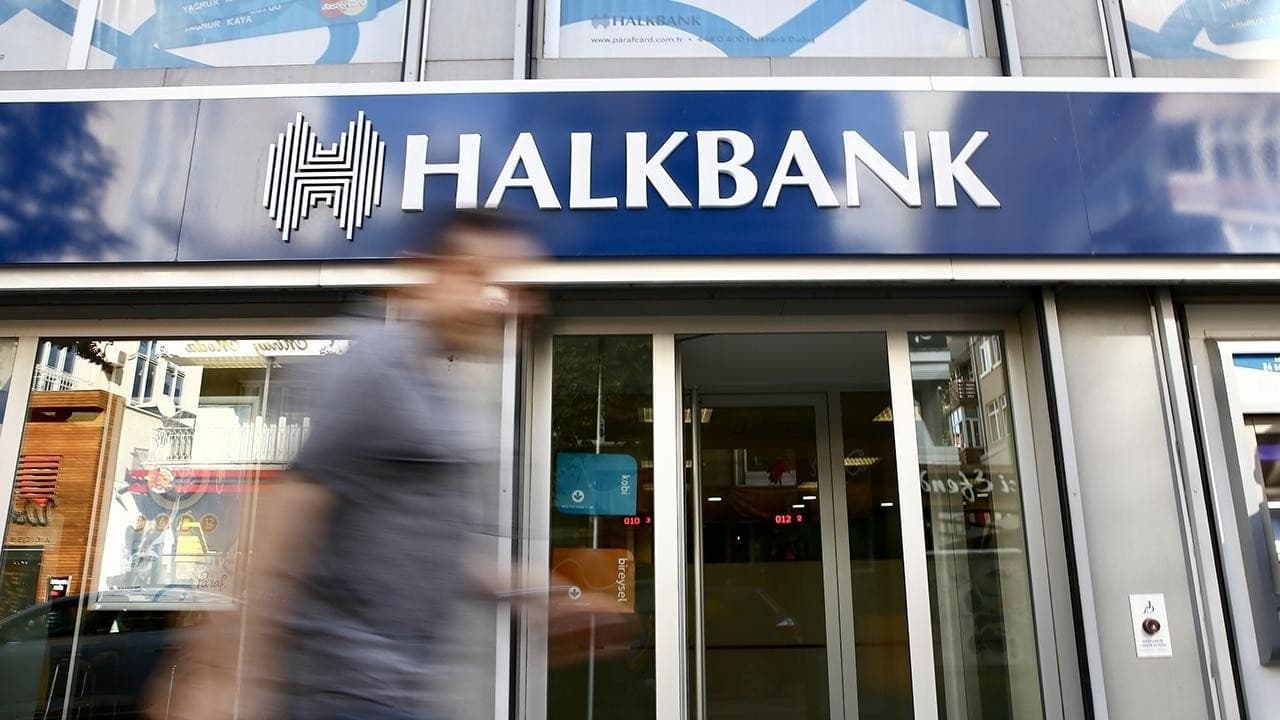
Halkbank’s SPK Filing Ignites Turkey’s Next Capital Wave

Hyundai's 2030 Vision: 5.55 Million Cars to Rewrite Global Competition
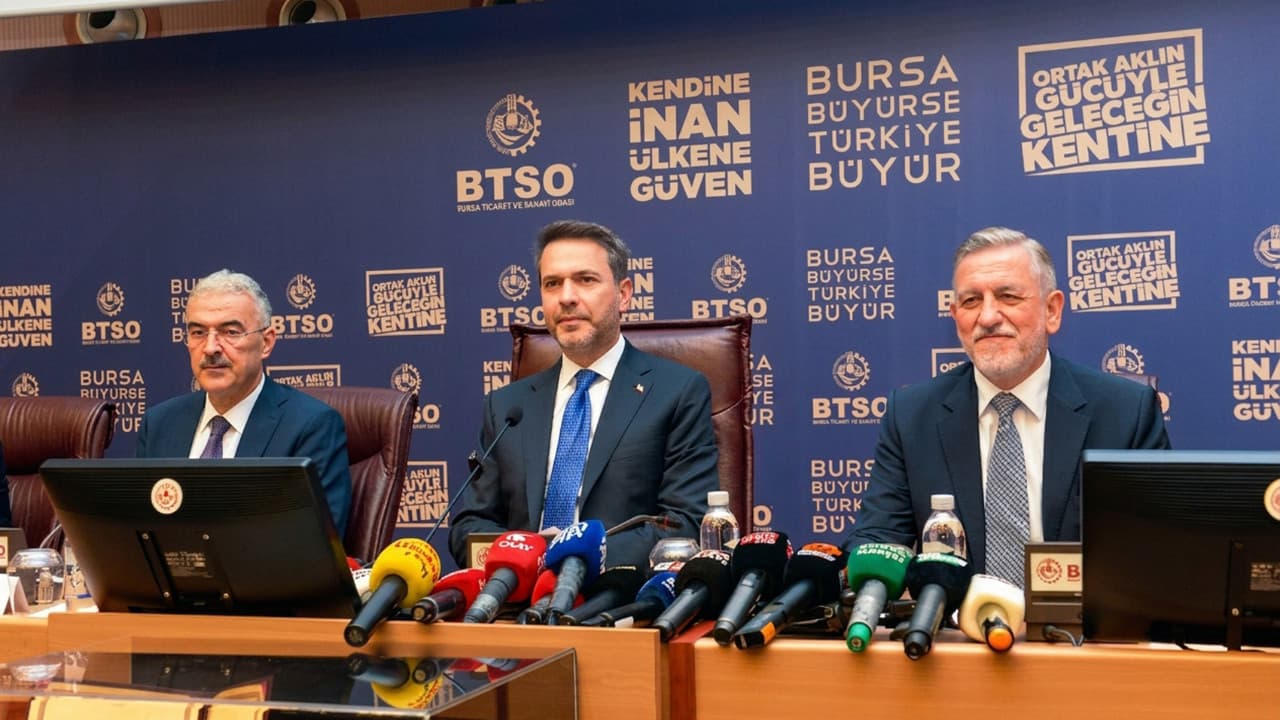
Bursa Chamber of Commerce Elections Set for Oct. 1: New Leadership and KOBI OSB Vision
Latest Market News
All News →
Prediction Markets vs. U.S. Government: The Legal Battle Over Kalshi and Polymarket
Cimin Grape Harvest Kicks Off: GI-Labeled Fruit Opens Doors to Global Markets
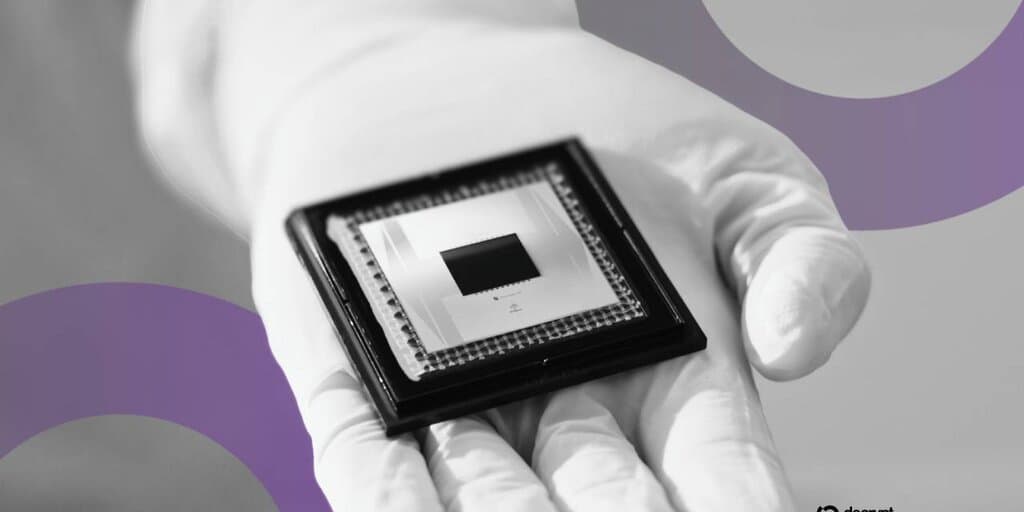
Starkware's Quantum-Safe Bitcoin Transaction Marks a New Era in Crypto Security
![[BALAT] BALATACILAR BALATACILIK SANAYİ VE TİCARET A.Ş.
Payların Geri Alınmasına İlişkin Bildirim - 27.08.2026 Tarihli Pay Geri Alımı Hakkında](/_next/image?url=%2Fuploads%2Fkap-default.png&w=3840&q=75)
[BALAT] BALATACILAR BALATACILIK SANAYİ VE TİCARET A.Ş. Payların Geri Alınmasına İlişkin Bildirim - 27.08.2026 Tarihli Pay Geri Alımı Hakkında

Le Pen’s Business‑Winning Blueprint and €10 Billion Spending Cut