
Eurostat July 2026 Inflation Report: Lithuania’s **5.6%** Record, Estonia’s **2.0%** Low
724FinanceUfuk Tepe
Key Highlights
Eurostat’ın Temmuz 2026 verileri, bölgedeki enflasyon baskısının ülke bazında nasıl kırılma noktalarına ulaştığını gözler önüne serdi. ## Zirvedeki E
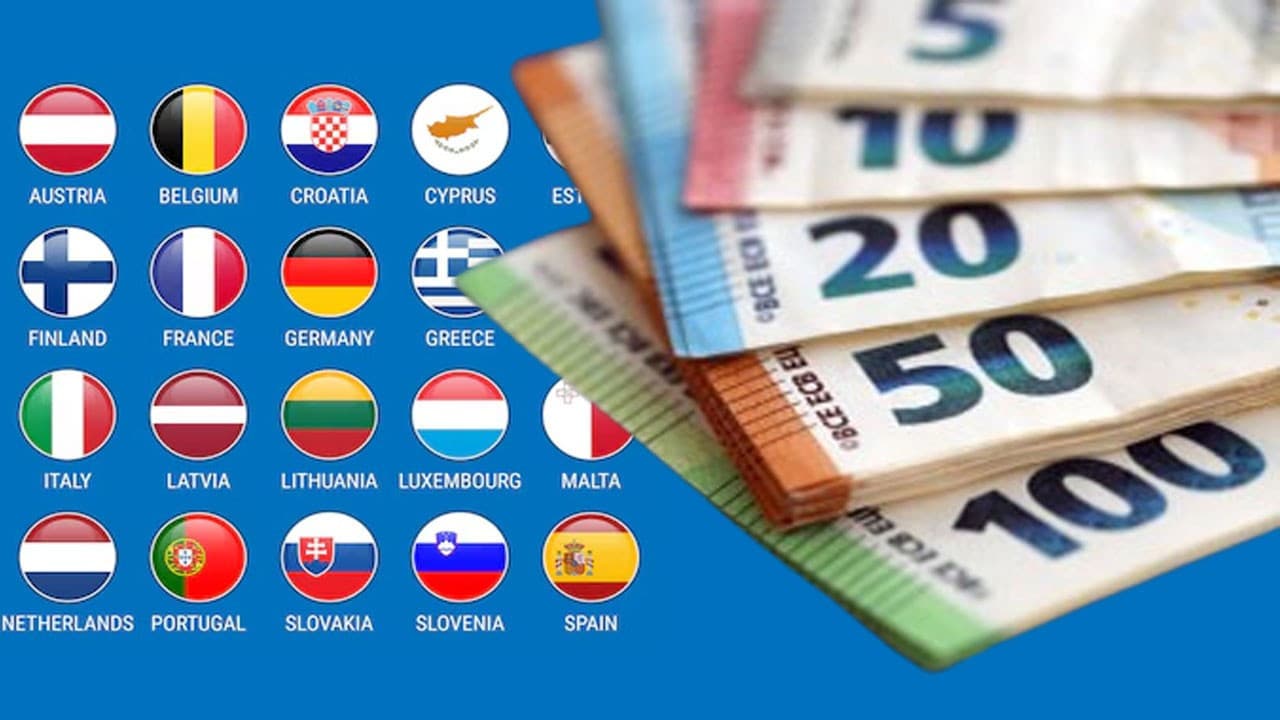
Eurostat’s July 2026 data reveal how inflation pressures have fractured across the Eurozone on a country‑by‑country basis.
The Inflation Apex: Lithuania’s 5.6% Record
Lithuania tops the Eurostat rankings with a 5.6% annual inflation rate, driven by sharp rises in energy and food prices.
The Low‑End Safe Harbor: Estonia’s 2.0% Inflation
Estonia posts the lowest annual inflation at 2.0%, reflecting strong energy‑efficiency gains and robust domestic production.
Monthly Price Shocks: Netherlands’ 1.5% Rise and Greece’s 1.4% Decline
Energy Bills: 10% Year‑Over‑Year Surge
Across the Eurozone, energy prices rose 10% year‑over‑year, keeping energy‑import dependence as the primary inflation driver.
Market and Policy Implications
Ufuk Tepe – Lead Analyst, Automotive & Heavy Industry
The Eurostat figures underscore that soaring energy costs still weigh heavily on automotive and heavy‑industry profitability. In high‑inflation markets like Lithuania, manufacturers will need to tighten cost controls and adjust pricing strategies. Conversely, Estonia’s low‑inflation environment highlights the benefits of renewable‑energy investments and supply‑chain optimisation, presenting a strategic opening for reshaping European EV battery supply chains. Investors should consider hedging against energy price swings and reassessing supply‑chain risk exposures in inflation‑sensitive jurisdictions.
Related News & Analysis
View All →
Şok's August 1-4 Discount Catalog: A Surge of Glassware Savings

Shrinking Traffic in the Strait of Hormuz: The Tipping Point for Global Oil Flows

Paramount Extends Debt Exchange Timeline to Boost Financial Flexibility
U.S. Expands Import Ban, Adding 43 Chinese Firms Amid Uyghur Forced Labor Restrictions
TL’s Dance with the Dollar: 47.57 TL, 54.90 Euro – New Dynamics in Forex Markets

Paradigm Shift in Marriage Economics: Income Trumps Degree
Latest Market News
All News →
Crypto Legal Week in Review: FTX Case Advances, Polymarket Bet Challenge, Congressman's Manipulation Fine

Turkey‑Iraq Kirkuk‑Ceyhan Pipeline Deal: A New Pivot in Regional Energy Dynamics
August 2, 2026 Fuel Prices: Current Benzine, Diesel, and LPG Rates in Istanbul, Ankara, and Izmir
Cotton Futures Surge: Supply Shocks and Market Dynamics

Physical Lock: The $9 Autonomous Key Tackles Digital Addiction
