China's Tech Ascendance Reshapes Global Supply Chains
724FinanceDr. Selen Yılmaz
Key Highlights
Washington'ın Pekin'in teknolojik yükselişini frenlemeye yönelik çabaları, Apple'dan Ford'a kadar küresel devlerin tedarik zincirlerinde Çinli firmala

Washington's efforts to curb Beijing's technological rise lay bare the growing reliance of global giants—from Apple to Ford—on Chinese firms within their supply chains.
The Chinese Tech Core: Partnerships and Dependency
Apple is developing AI solutions in China with Alibaba and Baidu, while Ford collaborates with CATL on a $3.5 billion Michigan battery plant. Volkswagen teams up with Xpeng to create smart EVs, and Stellantis expands its alliance with Leapmotor.U.S. Restriction Playbook: Sanctions and Unintended Outcomes
Since blacklisting Huawei in 2019, the United States has tightened exports of advanced chips and equipment, targeting firms like SMIC. These constraints have inadvertently accelerated domestic Chinese innovation, boosting competitiveness in batteries and AI.Automotive and Battery Sector: A Structural Shift
CATL’s lithium‑iron‑phosphate battery technology is now deeply embedded in the global automotive supply chain. Ford’s Michigan investment underscores that switching suppliers is not a quarterly decision but a multi‑year engineering, testing and certification effort.AI Competition: The Open‑Source Surge
Chinese firms such as Alibaba and DeepSeek offer open‑source models, granting developers free access. European companies favor Chinese AI solutions for security, compliance and performance, indicating that cost is no longer the primary driver.Strategic Takeaways: Regional Risk Meets Global Pragmatism
Analysts expect the strongest resistance to Chinese tech in advanced chips, cybersecurity and defense, while sectors like batteries and AI see growing integration. This creates a more fragmented yet pragmatic global technology ecosystem.The integration of Chinese supply‑chain capabilities is driven not merely by cost but by scale, speed and innovation capacity. U.S. restrictions are pushing China toward self‑sufficiency, while Western firms must maintain strategic ties with Chinese partners to balance geopolitical risk and commercial reality. Over the coming years, this structural shift will reshape global market dynamics and compel investors to reassess regional risk profiles.
Related News & Analysis
View All →
South Korea's Kospi Enters Bull Market Territory: AI Trade Propels Chip Giants to New Heights

Trump Media's Crypto Decline and Investment Strategy: DJT Stock Falls 8%
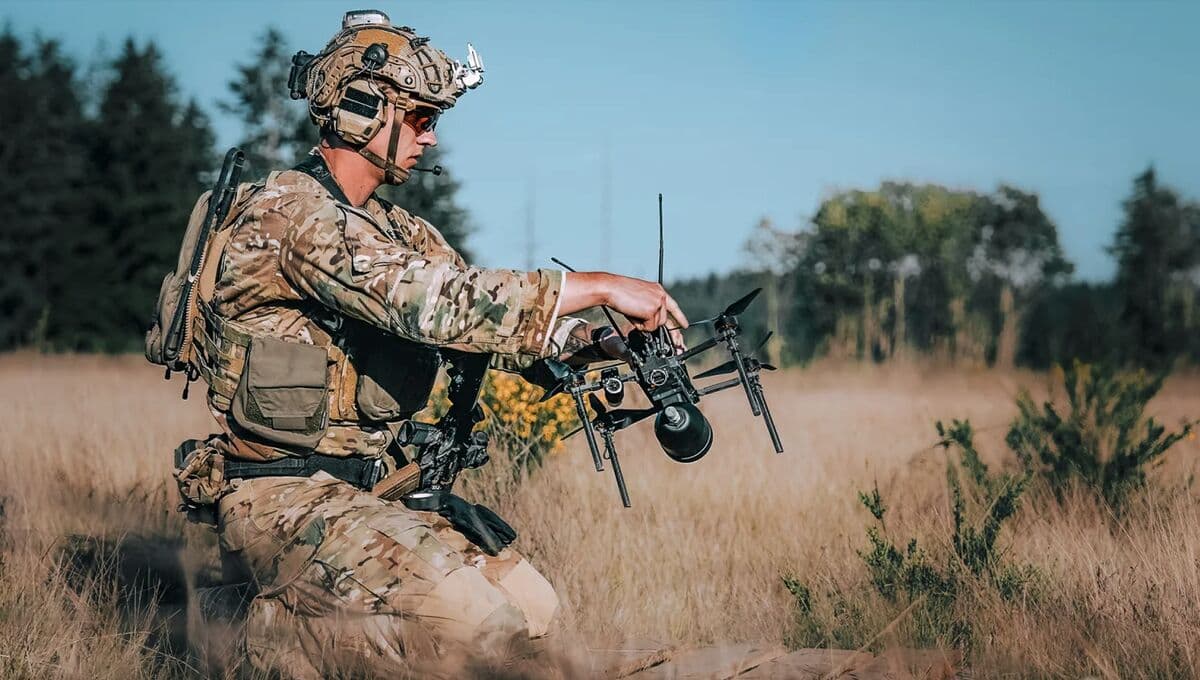
Neros Inc. Triples Valuation to $2.5 Billion: Inside the $250 Million Funding Surge

The Israeli Startup Exposing the Fragility of OpenAI and Meta’s AI Defenses

Myspace's Risky Comeback: Trading on Nostalgia in the Shadow of $150 Million Losses

Savers Value Village Rolls Out AI‑Powered ThriftIQ to Revolutionize Second‑Hand Pricing
Latest Market News
All News →
2027 Mid‑Year Anti‑Dumping Measures Unveiled: Deep Impact on Trade and Markets

SEC Pushes Back Tokenization Innovation Exemption Amid Wall Street and White House Pushback

Customs Bulletin Overhaul for Temporarily Imported Vehicles

Enflasyonun Günlük Yaşam Maliyeti Üzerindeki Şok Etkisi: Gıda, Akaryakıt ve Eğlence Fiyatları Çatırdıyor

England Faces Historic Drought; Government Crafts Relief Package for Farmers