
Hormuz Strait Tanker Crisis: Conflicting Claims Between Iran and US Leave Energy Markets in Limbo
724FinanceSavaş Yıldırım
Key Highlights
İran Devrim Muhafızları Ordusu (DMO), Hürmüz Boğazı'ndan güneyden geçen iki petrol tankerinin mayına çarptığını ve ardından meydana gelen patlamaların
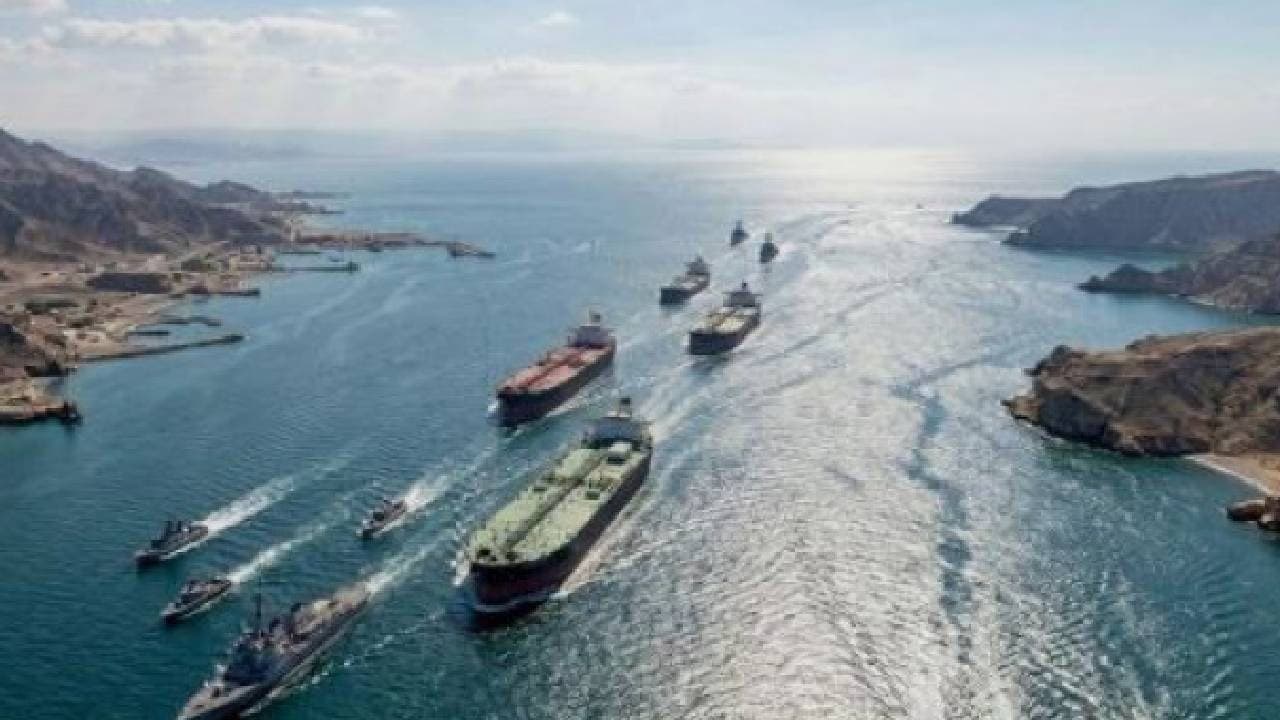
Iran's Islamic Revolutionary Guard Corps (IRGC) claimed that two oil tankers transiting the southern Hormuz Strait collided with a mine, causing explosions and fires on board. U.S. Central Command (CENTCOM) dismissed these claims as inaccurate. Additionally, IRGC stated that four vessels attempting to transit the Hormuz Strait in violation of Iranian regulations were intercepted via missile and drone operations. These allegations, amid escalating military tensions, have reignited concerns over security risks in global energy transportation.
Energy Routes and Geopolitical Risks
The Hormuz Strait remains a critical chokepoint for global energy markets. Iran's claims have heightened security threats for energy carriers, while U.S. officials labeled IRGC's statements as propaganda. Iran alleged joint operations with U.S.-backed forces, further complicating the geopolitical landscape. The disputed reports have introduced uncertainty in commodity markets.Savaş Yıldırım: "Such geopolitical frictions amplify concerns over energy transit security, directly impacting crude oil prices. Market reactions correlate with commodity index swings. The IRGC and U.S. exchange reflects risks to global supply chains. Immediate monitoring of energy exports and insurance premiums is critical."
Related News & Analysis
View All →
UK Prices Hit Two-Year High Amid War Economic Impact

Japan and the US Launch Coordinated Interventions to Stabilize the Yen: How Markets Will React?

Trabzonspor's Sudden Defeat: Market Sensitivity in Focus
Bessent Warns: Iran’s Economic Collapse Could Last Weeks or Months

Bullish Launches $100 Million Stablecoin Facility for AI‑Backed GPU Lending

Japan's Yen Intervention Hits Record: ¥15.4 Trillion Spent
Latest Market News
All News →
BORSA İSTANBUL A.Ş. Endekslerde Kullanılan Fiili Dolaşımdaki Pay Oranı Değişiklikleri / BJKAS, CWENE, DGNMO, EFOR, GIPTA, GUNDG, OZATD, PASEU, TMPOL - -
[KATVK] KATILIM VARLIK KİRALAMA A.Ş. İhraç Tavanına İlişkin Bildirim / ANFIN - Kira Sertifikası İhraç Tavanı SPK Başvurusu
BORSA İSTANBUL BISTECH DEVRE KESİCİ UYGULAMASI Pay Bazında Devre Kesici Bildirimi / CANTE - CANTE.E işlem sırasında Pay Bazında Devre Kesici Uygulaması devreye girmiştir
[GZNMI] GEZİNOMİ SEYAHAT TURİZM TİCARET A.Ş. Pay Dışında Sermaye Piyasası Aracı İşlemlerine İlişkin Bildirim (Faiz İçeren) - TRFGZNM92617 ISIN kodlu borçlanma aracının itfa ve kupon ödemesi
Swiss Life's Profitable Contraction: The Paradox of Workforce Reduction Amidst Financial Strength