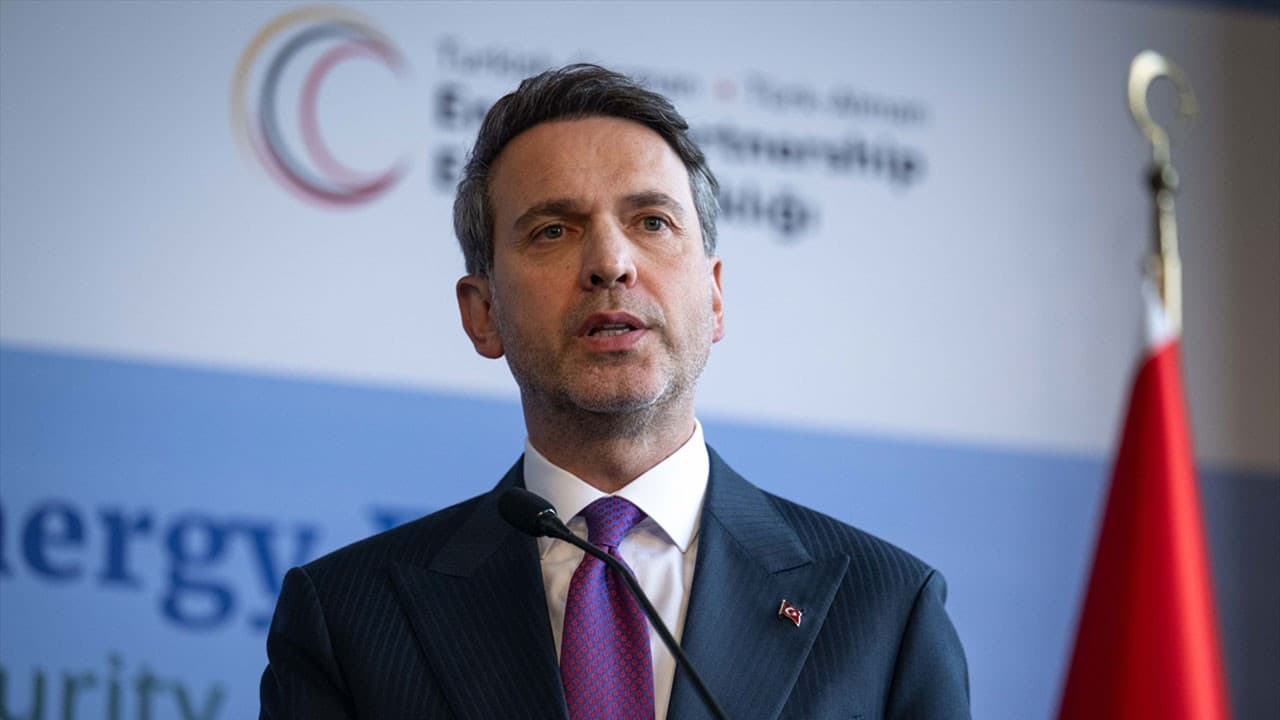
Iran's 57 Million Barrel Move Pierces US Embargo
724FinanceGökberk Uçar
Key Highlights
İran'ın ABD yaptırımlarını atlatarak **57 milyon varil** ham petrolü sevk etmesi, küresel enerji piyasalarında derin sarsıntılara yol açarken, Washing
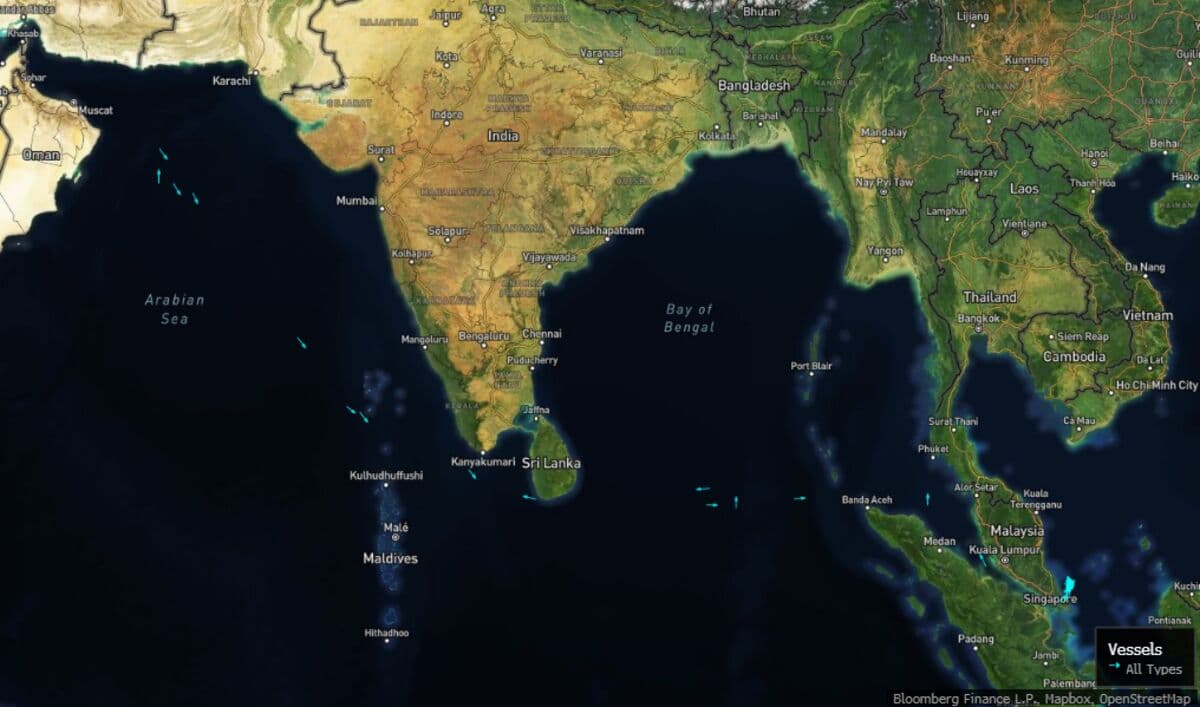
Iran's successful shipment of 57 million barrels of crude oil, bypassing stringent US blockades, has sent shockwaves through global energy markets and cast a shadow over the effectiveness of Washington's economic pressure strategies.
Piercing the Veil of Sanctions
Despite the "maximum pressure" campaign enforced by Washington, the Tehran regime has managed to sustain crude oil exports through sophisticated methods, including vessel identity spoofing and dark fleet operations.A New Cycle of Volatility in Energy Prices
This development injects fresh uncertainty into Brent crude benchmarks, keeping global inflationary pressures alive. This surprise influx on the supply side complicates the production balancing efforts of OPEC+ members.Ripple Effects on the Technology Supply Chain
Fluctuations in energy prices amplify cost pressures in high-consumption processes like semiconductor manufacturing. Giants such as TSMC and GlobalFoundries may be forced to pass rising electricity costs into their overall cost structures.While markets may view this as a short-term supply glut, the underlying risk lies in escalating geopolitical tensions and the weakening of US deterrence. Uncertainty in energy security remains a primary driver of volatility in tech stocks. China's acquisition of this crude also brings "energy diplomacy" to the forefront as a new dimension in the US-China trade war.
Related News & Analysis
View All →
Prediction Markets vs. U.S. Government: The Legal Battle Over Kalshi and Polymarket

Le Pen’s Business‑Winning Blueprint and €10 Billion Spending Cut

Alphabet's £260 Million Settlement: The Digital Giant's Legal Exit

Social Security Crisis: Wealthy Baby Boomers and National Debt
A. O. Smith Corp (AOS) Stock: Wall Street Outlook and Risk Analysis

How China's Open-Source AI is Winning Over U.S. Businesses
Latest Market News
All News →Prediction Markets vs. U.S. Government: The Legal Battle Over Kalshi and Polymarket

Cimin Grape Harvest Kicks Off: GI-Labeled Fruit Opens Doors to Global Markets
Starkware's Quantum-Safe Bitcoin Transaction Marks a New Era in Crypto Security
![[BALAT] BALATACILAR BALATACILIK SANAYİ VE TİCARET A.Ş.
Payların Geri Alınmasına İlişkin Bildirim - 27.08.2026 Tarihli Pay Geri Alımı Hakkında](/_next/image?url=%2Fuploads%2Fkap-default.png&w=3840&q=75)
[BALAT] BALATACILAR BALATACILIK SANAYİ VE TİCARET A.Ş. Payların Geri Alınmasına İlişkin Bildirim - 27.08.2026 Tarihli Pay Geri Alımı Hakkında
Le Pen’s Business‑Winning Blueprint and €10 Billion Spending Cut