
US Navy's Autonomous Pivot and the Burden Shift on NATO
Global ticaret yollarının güvenliği ve gelişmiş savunma teknolojileri, ABD Donanması'nın stratejik önceliklerini yeniden şekillendirirken, Operasyonla
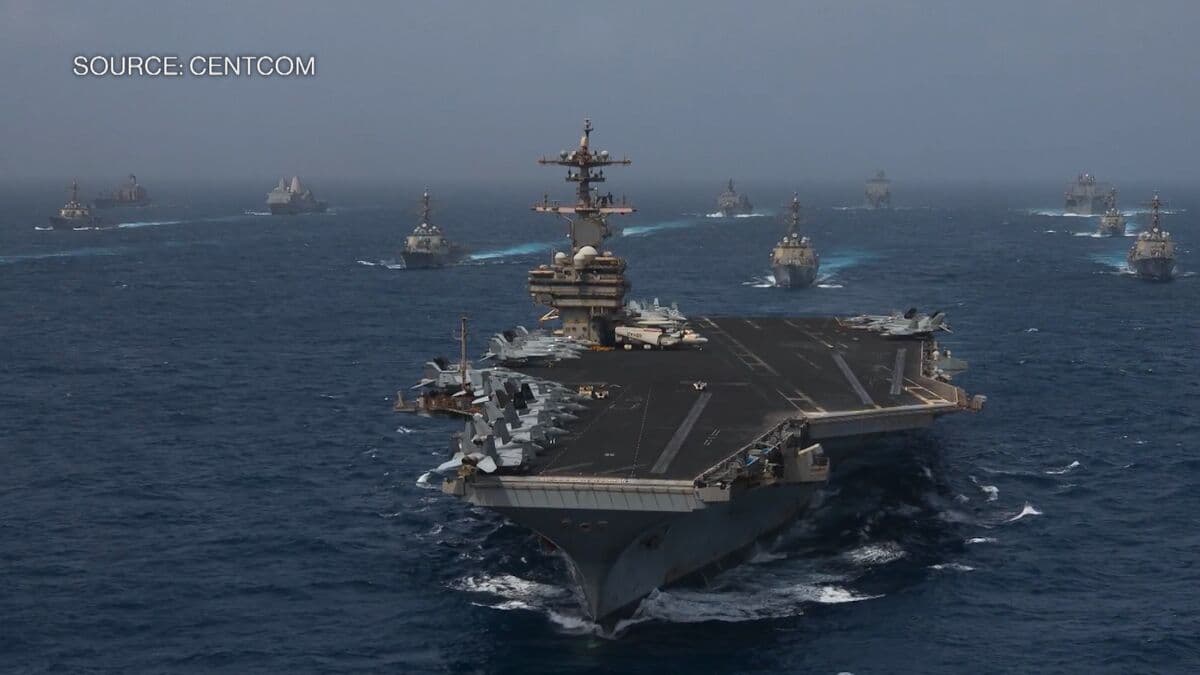
Global trade route security and advanced defense technologies are reshaping the US Navy's strategic priorities as Chief of Naval Operations Adm. Daryl Caudle emphasizes shifting more responsibility to allies to focus on unique US capabilities. The Pentagon's rapid investment in autonomous systems and the growing competition in the Arctic signal a transformative shift that will deeply impact the supply chain dynamics of the defense industry.
Autonomous Systems and the New Technology Frontier
The Navy's modernization plans signal a transition from traditional manned operations to AI-powered autonomous fleets. This strategic shift directly affects defense budget allocations and the portfolios of supplier firms.
Global Sea Lanes and Supply Security
Adm. Caudle identifies the protection of global sea lanes as a critical component of national security. This move is viewed as a strategic necessity for the security of logistics corridors transporting semiconductors and rare earth elements.
This shift in defense strategies moves semiconductor demand from a secondary plan to a mainstream investment. Autonomous naval vehicles and Arctic surveillance systems turn the hunger for high-performance processors (HPC) and AI chips into a lucrative new market segment for tech giants like Nvidia. Furthermore, the militarization of sea lanes acts as a factor that will drive up global supply chain insurance costs and risk premiums in the medium term.
Related News & Analysis
View All →
Dolly Parton’s Business Innovation: Reshaping Her Music Empire
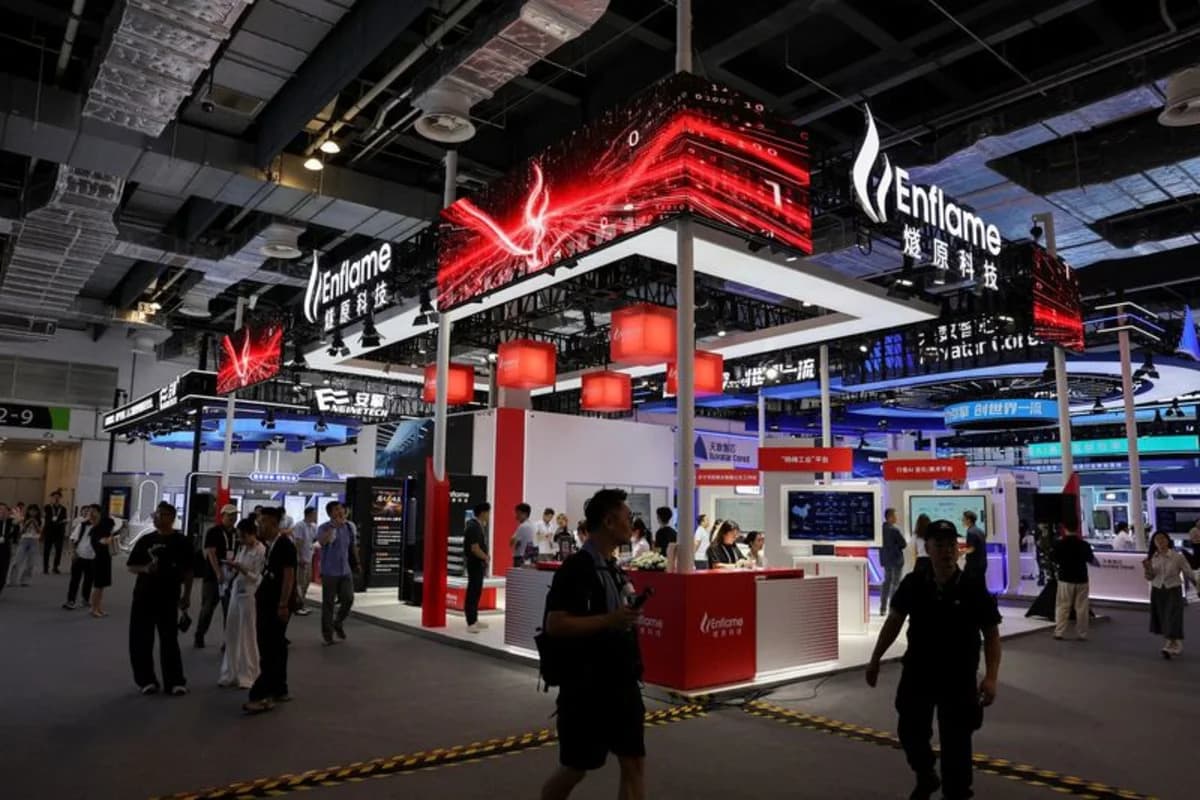
Enflame's $900 Million Shanghai IPO: A New Surge in China's AI Chip Arena

Cyber Assault Hits Boston Scientific: Operations Plunged into Chaos

US-Canada Trade Clash: 50% Tariff, Oil Left Untouched

Sweden’s Startup Surge: Lovable’s $400 M Funding Breaks Records
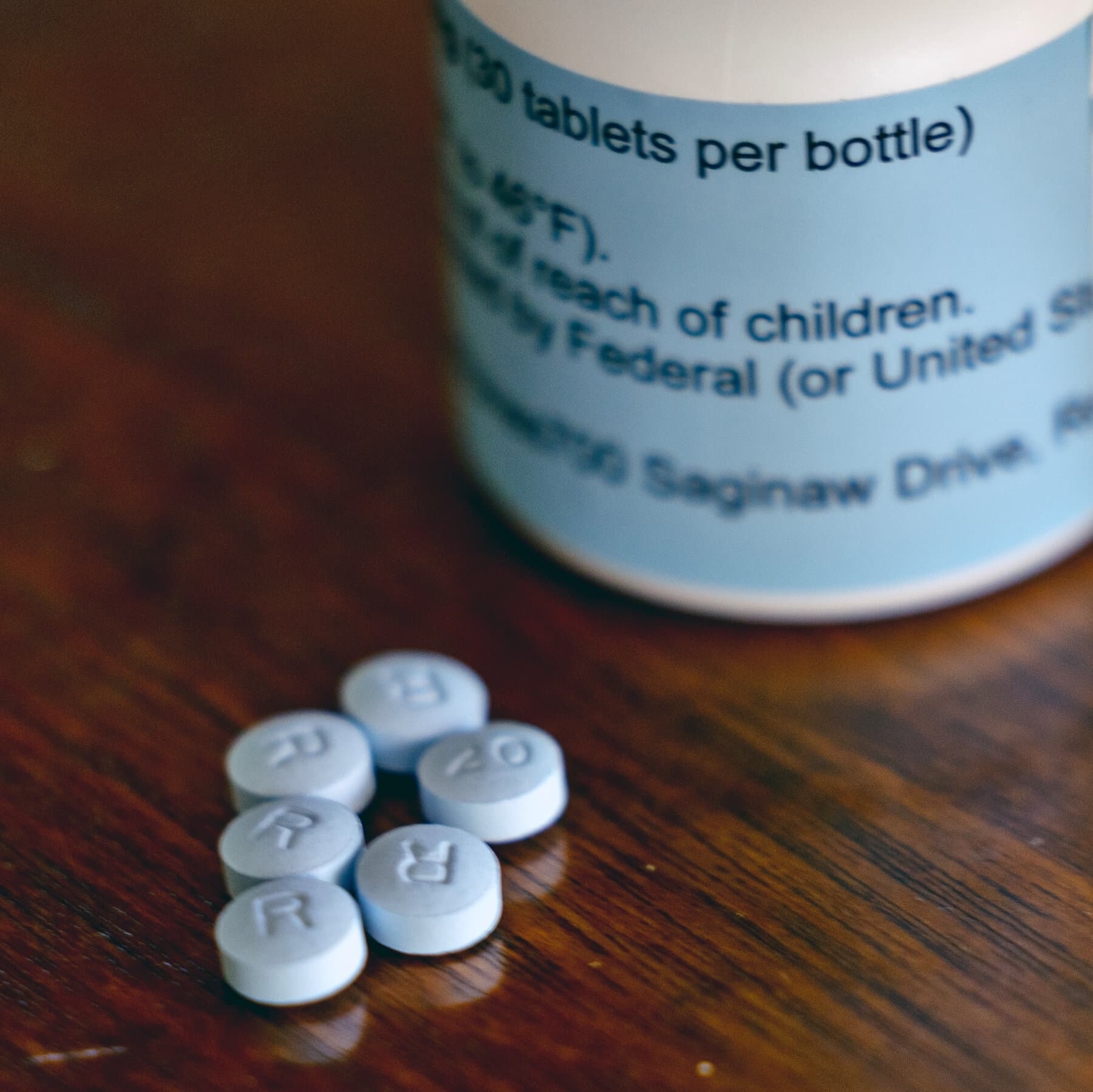
FDA Approves Daraxonrasib, A Potential Game-Changer for Pancreatic Cancer
Latest Market News
All News →![[YEOTK] YEO TEKNOLOJİ ENERJİ VE ENDÜSTRİ A.Ş.
Finansal Duran Varlık Satışı - Finansal duran varlık satışı](/_next/image?url=%2Fuploads%2Fkap-default.png&w=3840&q=75)
[YEOTK] YEO TEKNOLOJİ ENERJİ VE ENDÜSTRİ A.Ş. Finansal Duran Varlık Satışı - Finansal duran varlık satışı
[EMPAE] EMPA ELEKTRONİK SANAYİ VE TİCARET A.Ş. Finansal Duran Varlık Edinimi - Şirket Kuruluşu Hakkında
[BALAT] BALATACILAR BALATACILIK SANAYİ VE TİCARET A.Ş. Payların Geri Alınmasına İlişkin Bildirim - 26.08.2026 Tarihli Pay Geri Alımı Hakkında

Apple Unveils Foldable iPhone: A Tech Revolution with Market Implications
Japan Aims to Revolutionize Securities Trading with 24/7 Blockchain System
