
Global Capital Reorientation: Can Turkey Fill the Void Left by London and Dubai?
Türkiye, küresel servetin rotasını yeniden çizdiği kritik bir dönemeçte, Londra'daki vergi düzenlemeleri ve Körfez bölgesindeki jeopolitik gerilimleri

Turkey is launching a strategic maneuver to attract international capital to Istanbul, leveraging tax regulatory shifts in London and geopolitical tensions in the Gulf as global wealth seeks new safe havens.
The Great Wealth Migration: London and the Gulf Disruption
The removal of tax advantages for overseas income in the United Kingdom, combined with escalating geopolitical risks in the Middle East, has triggered a search for stability among high-net-worth individuals. Turkey is positioning itself to capture this mobility through several key levers:
Real Estate: The Strategic Gateway to Citizenship
The real estate-based citizenship program remains a cornerstone of Turkey's strategy to attract foreign investment. The current dynamics of this program include:
Financial Hub Ambitions vs. Structural Realities
While the Istanbul Financial Center, which became operational in 2023, represents a major step toward global integration, it has yet to achieve the scale necessary to compete with regional giants like Dubai or Riyadh. To secure long-term investor confidence, Turkey must navigate several structural challenges:
While Turkey offers high yield potential in the real estate sector, tax incentives alone will not suffice to retain Ultra-High-Net-Worth (UHNW) individuals; property security and legal transparency remain the primary risk premiums in real estate valuation.
Related News & Analysis
View All →
Free Funds Lose 75 Billion Lira in One Week: Market and Investor Dynamics
Fed Loan Survey: Corporate Credit Demand Surges as Housing Market Softens

Capital Route is Shifting in Real Estate: Massive Transition from Gold to Housing Sector

Arıkan Real Estate Develops 3 Million Square Meters Over 22 Years, Launches $2 Billion Anantara Retreat Çeşme Project
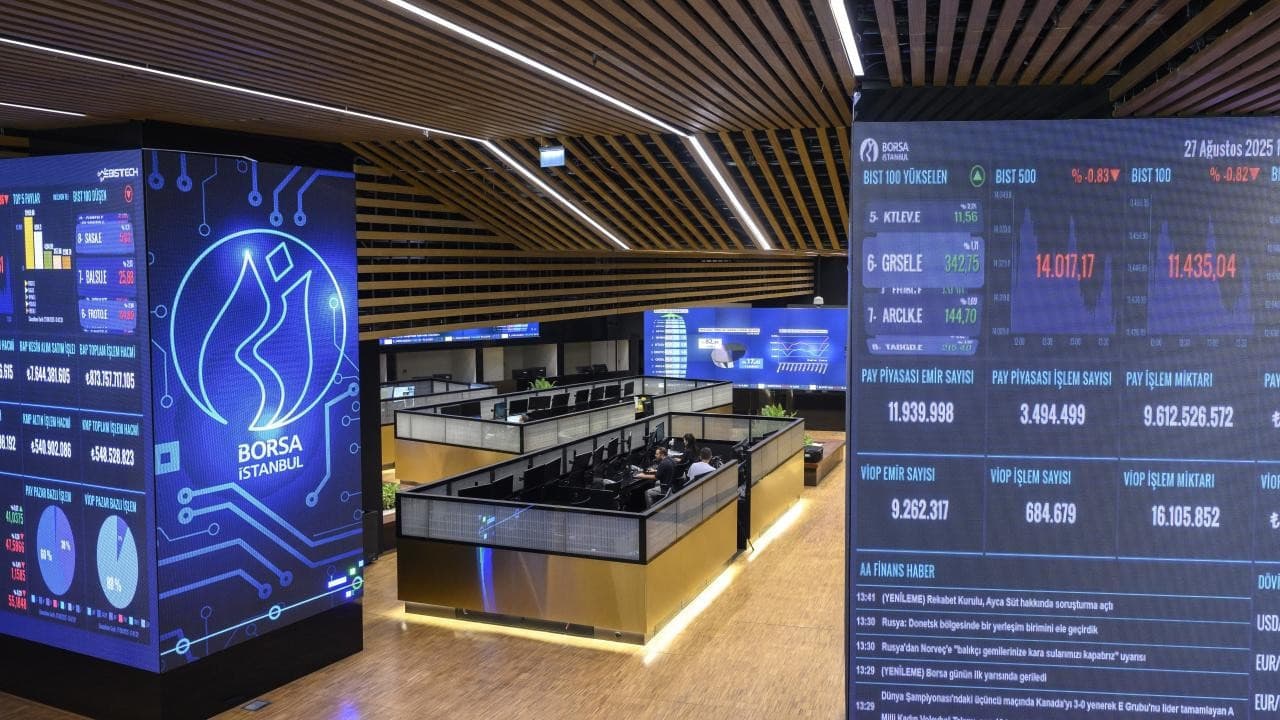
Dividend and Bonus Share Surge Sweeps Borsa Istanbul

Japan’s Heat Wave Forces Construction Industry to Rethink Working Hours
Latest Market News
All News →
UK's Procurement Revolution: Job Creation Takes Center Stage

Yen Bounces Back: Intervention Safeguards Gains
![[ATSYH] ATLANTİS YATIRIM HOLDİNG A.Ş.
Özel Durum Açıklaması (Genel) - Tahsisli sermaye arttırımı sürecinin başlatılmasına ilişkin Yönetim Kurulu kararı...](/_next/image?url=%2Fuploads%2Fkap-default.png&w=3840&q=75)
[ATSYH] ATLANTİS YATIRIM HOLDİNG A.Ş. Özel Durum Açıklaması (Genel) - Tahsisli sermaye arttırımı sürecinin başlatılmasına ilişkin Yönetim Kurulu kararı...

Oil Giants Reap $90bn Amid Iran War and Heatwaves: A Call for Climate Accountability

Crypto Pioneer Michael Terpin Warns of a Looming 30% Bitcoin Correction to $43,500
