
Trump’s Tariff Paradox: Ground Beef Imports Signal Pragmatic Shift in Protectionist Stance
ABD Başkanı Donald Trump’ın gümrük tarifelerinin nihayetinde Amerikalı tüketiciler üzerinde bir yük oluşturduğunu zımnen kabul etmesi, küresel ticaret

US President Donald Trump’s implicit acknowledgment that tariffs ultimately burden American consumers marks a pivotal moment in global trade dynamics. In a bid to curb domestic inflationary pressures, the White House’s decision to permit 300,000 metric tons of ground beef imports at "below current market prices" has triggered intense debate between macroeconomists and domestic agricultural lobbies.
Inflationary Cracks in the Protectionist Wall
The classic economic consensus that tariffs are paid by domestic consumers rather than exporting nations has found validation in this policy shift. Renowned Johns Hopkins University economist Steve Hanke noted that "Tariffs are simply taxes on American consumers," highlighting the structural limits of aggressive trade barriers.
-
The emergency quota of 300,000 metric tons of ground beef aims to directly suppress rising fast-food and consumer meat prices.
-
Allowing imports "below current market prices" opens up arbitrage opportunities for global agricultural suppliers.
-
The move is expected to benefit major exporters across Latin America and Oceania, altering immediate trade flows.
Domestic Cattle Lobbies React to the Policy U-Turn
The executive decision has sent shockwaves through US cattle groups, who had anticipated stricter protectionist measures. Industry representatives expressed deep disappointment with the administration's announcement, warning that flooding the market with cheaper foreign beef could undercut domestic producers and destabilize local supply chains.
From an Emerging Markets (EM) standpoint, this tariff flexibility offers a tactical breather for global commodity corridors. Major beef exporters like Brazil and Australia stand to benefit directly from this quota allocation. More importantly, it demonstrates that the administration's tariff threats are not set in stone and can be pragmatically negotiated when domestic inflation threatens political capital. Asia-Pacific trade desks will likely interpret this as a signal that US protectionism has a clear price tag.
Related News & Analysis
View All →
Squeezed in the Deep End: Klarna’s Valuation Crash and the Brutal Reality of Scale

Abbott and MiniMed Alliance Reshapes the Diabetes Tech Landscape

FT's Financial Literacy Charity Auction: Lunch with Star Journalists

Amazon Raises Prices Amid Chip Crisis: How Markets Will React

Christopher Nolan's 'The Odyssey' Dominance: Box Office Record Shattered, Market Implications Unfold

US-Canada Trade Deal Hangs in the Balance: How Markets Will React
Latest Market News
All News →
CBRT Takes Key Simplification Step, Repeals Physical Gold Conversion Communique
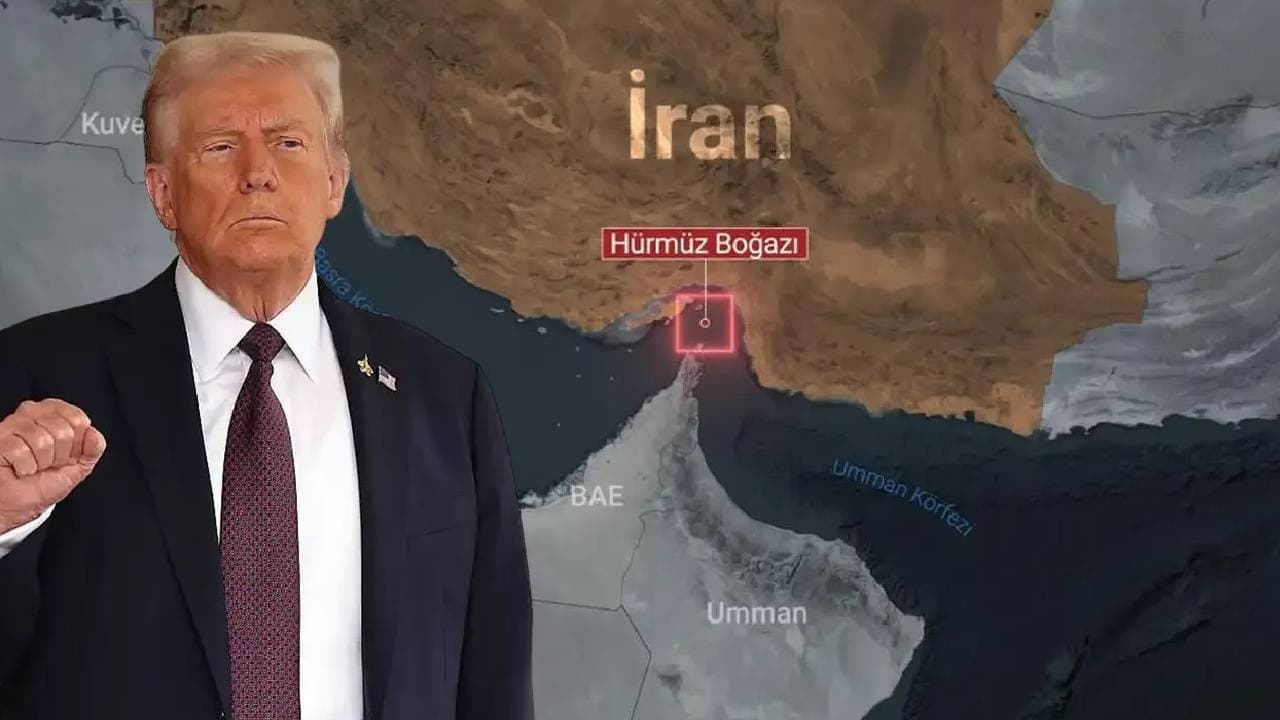
Geopolitical Chokehold in the Strait of Hormuz: Global Trade and Energy Corridors on High Alert

BIST 100 Secures Weekly Gain as 14,500 Threshold Falls to Dividend and Buyback Anchors
Squeezed in the Deep End: Klarna’s Valuation Crash and the Brutal Reality of Scale

Turkish Ministry Cracks Down on Digital Ads: 82 Businesses Fined Under EİDS Regulation