
Geopolitical Chokehold in the Strait of Hormuz: Global Trade and Energy Corridors on High Alert
ABD Başkanı Donald Trump’ın Hürmüz Boğazı üzerindeki hak iddiaları ve ABD Merkez Komutanlığı'nın (**CENTCOM**) bölgedeki ticari gemilere yönelik abluk
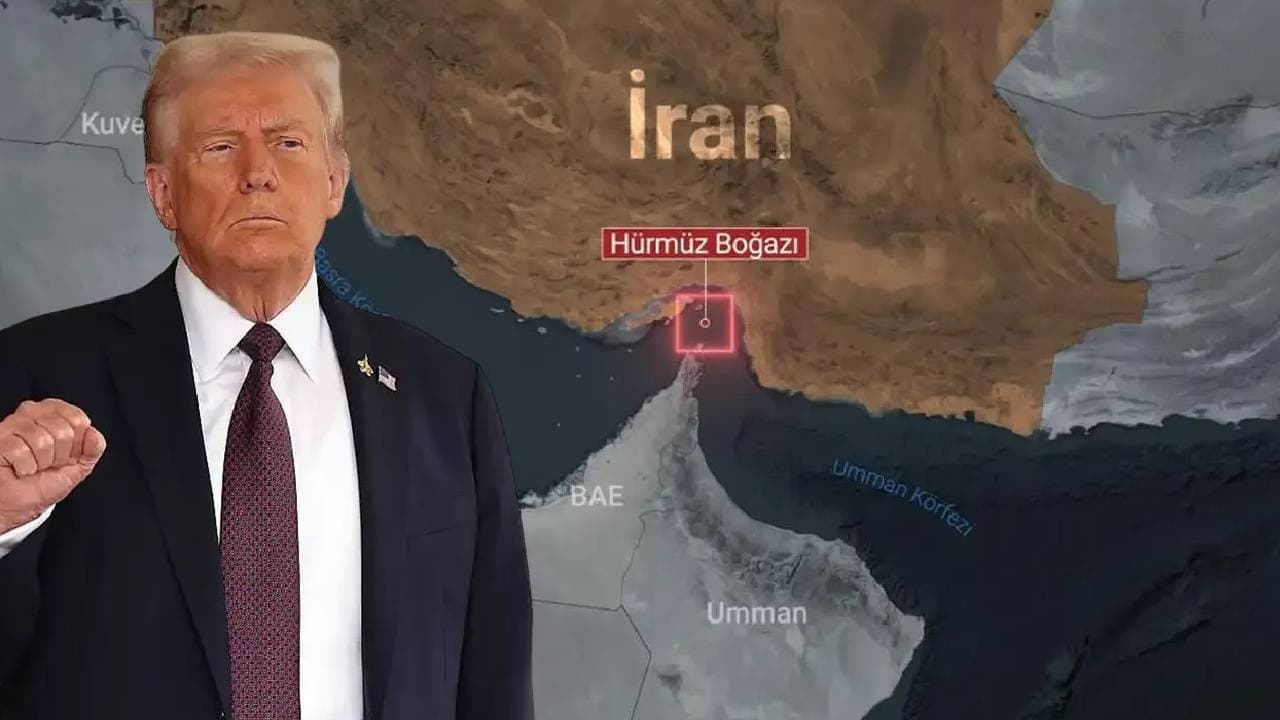
US President Donald Trump’s claims over the Strait of Hormuz, combined with the US Central Command's (CENTCOM) tightening blockade on commercial vessels, are triggering a new wave of crisis across global energy markets and supply chains. This escalation at one of the world's most critical oil transit chokepoints is putting direct pressure on commodity prices and maritime insurance premiums.
The Blockade Tightens Over Global Trade Routes
Official statements from CENTCOM highlight the commercial scale of the military operations in the region and their direct impact on global shipping. The security of trade routes and the pressure on the global supply chain are unfolding with the following figures:
Risk Pricing in Energy Finance and Commodity Markets
The Strait of Hormuz serves as a vital artery through which approximately 20% of global petroleum consumption passes. The aggressive rhetoric from the Trump administration and the active blockades are driving volatility in commodity markets, while simultaneously pushing up trade finance costs within the international banking system. War risk surcharges demanded by maritime insurers (P&I Clubs) for the region are multiplying rapidly, threatening to reignite global inflationary pressures through logistical bottlenecks.
The concentration of geopolitical risks in a critical financial and logistical artery like the Strait of Hormuz exerts direct pressure on global banking and trade finance. Rising maritime insurance premiums and freight costs have the potential to amplify global supply chain shocks. From a banking perspective, risk margins for syndicated loans funding commodity trade are likely to widen, potentially leading to liquidity constraints in cross-border payment systems. Digital payment innovations and blockchain-based smart contracts must be more deeply integrated to serve as alternative hedging and settlement mechanisms during such supply chain disruptions.
Related News & Analysis
View All →
Crackdown on Shadow Digital Economy: Turkey Slaps Millions in Fines on Social Media Property and Auto Ads

TCMB's Gold Policy Reversed: Physical Gold Conversion and Financial Incentives Ended
Emergency Expropriation Decisions in 11 Turkish Provinces: Why and How They Impact?
Trump's Debt Solution: Growth and Beef Policy

Free Travel Support Reform Sparks Shock Power Shift: Future of Personal Financing in Question
Trump Warns Iran: Military Options Still on the Table
Latest Market News
All News →
CBRT Takes Key Simplification Step, Repeals Physical Gold Conversion Communique

BIST 100 Secures Weekly Gain as 14,500 Threshold Falls to Dividend and Buyback Anchors

Squeezed in the Deep End: Klarna’s Valuation Crash and the Brutal Reality of Scale

Turkish Ministry Cracks Down on Digital Ads: 82 Businesses Fined Under EİDS Regulation

Abbott and MiniMed Alliance Reshapes the Diabetes Tech Landscape
