
Fiscal Crossroads: Looming 16% Fuel Tax Shock Threatens Turkey on October 1
Türkiye’de enflasyonla mücadelenin ve bütçe dengelerinin en kritik ayaklarından birini oluşturan akaryakıtta eşel mobil sisteminin sonuna yaklaşılırke
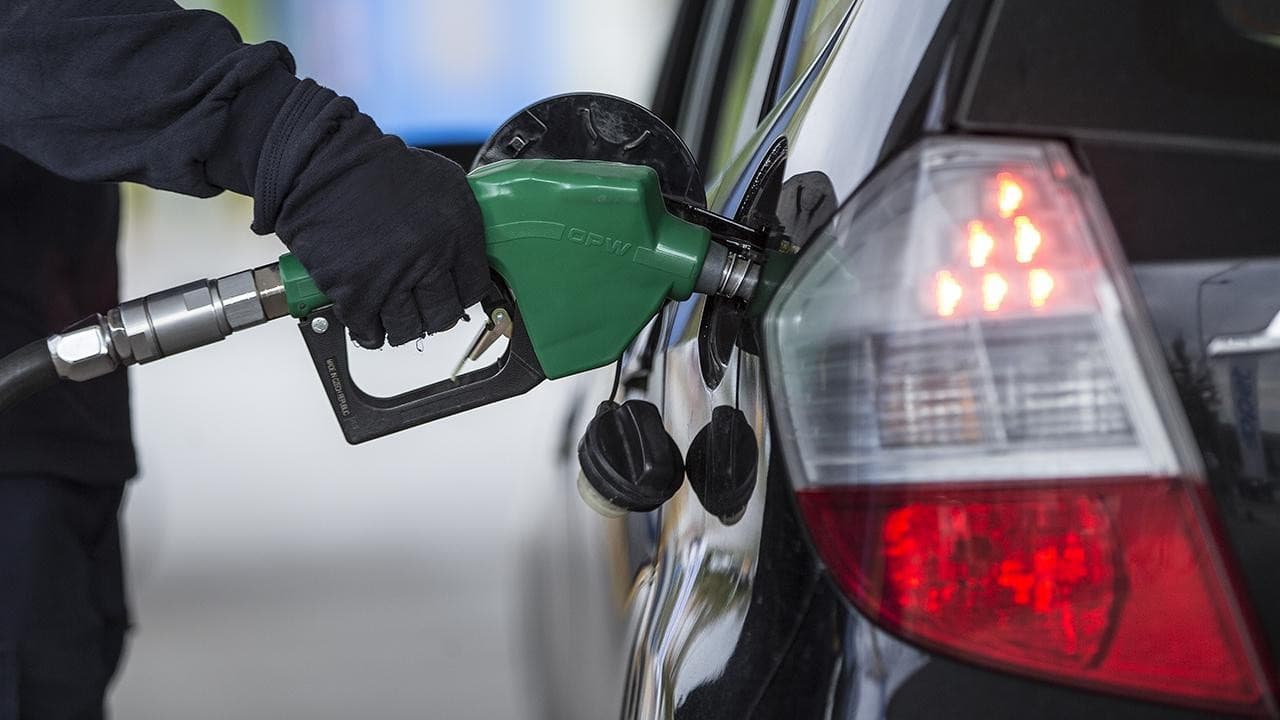
As the deadline for Turkey’s "sliding scale" (eşel mobil) fuel tax system approaches, the economic administration faces a severe price shock. Optimistic budget calculations made under the shadow of geopolitical tensions are failing due to volatility in global oil markets and the unpredictability of key global actors like Donald Trump. The scheduled termination of the system on October 1 threatens to transfer billions of liras of uncollected Excise Tax (ÖTV) directly onto consumers.
Why the Ministry's Optimistic War Scenario Collapsed
Introduced to buffer pump prices against extreme global crude volatility, the sliding scale system has successfully limited domestic price spikes. However, the foundational assumption that regional conflicts would subside quickly has proven incorrect under tightening global political dynamics.
While 75% of price hikes were covered by ÖTV subsidies during the March-June period, this support was reduced to 50% in July. For August and September, only 25% of any price increase will be absorbed by the state, leaving 75% to hit the pumps directly. Furthermore, recent global crude price drops have been utilized to rebuild the state's tax margins rather than lowering retail prices, fueling consumer frustration.
The October 1 Milestone: Double-Digit Hikes on the Horizon
Barring a dramatic crash in global oil prices before September 30, the legal expiration of the sliding scale on October 1 will force the government to restore ÖTV to its statutory levels. This transition portends an overnight price surge:
The Exit Strategy: Global Relief or a Mandatory Extension
At a time when the government is aiming to anchor inflation expectations, introducing a single-day 16% fuel price hike seems politically and economically unviable. This leaves policymakers with two choices: either pray for a sharp decline in global crude to organically close the tax gap, or issue a presidential decree extending the sliding scale mechanism beyond October.
This impending fuel price shock creates a severe cost spiral that will directly impact logistics, heavy industry, and fleet operations. From an automotive industry perspective, diesel prices nearing the 90 TL threshold will make the operating costs of traditional commercial vehicle fleets unsustainable. This will inevitably trigger a wave of logistics-driven inflation across all consumer goods. On the strategic side, I expect this cost pressure to aggressively accelerate the transition of commercial fleets toward electric vehicles (EVs). Manufacturers and distributors must rapidly realign their electric commercial vehicle supply chains to capture this sudden shift in total cost of ownership (TCO) dynamics.
Related News & Analysis
View All →
JPMorgan Signals Turkey’s Rate‑Cut Window Amid Softening Inflation

BİM's Super Discount Storm Fuels Consumer Spending Surge

Intetra Technology Hits Borsa Istanbul: A 2.1 Billion TL Tech Expansion

Turkey's Gold Quota: The 'Ghost Town' Era in the Jewelry Sector

BIM’s Summer Discount: Short‑Term Ripple Effects in the Retail Sector

Secession Signals in Canada's Energy Heartland: Alberta's Independence Push
Latest Market News
All News →The Inheritance Condition: Financial Literacy Test

Wall Street's Weekly Close: Resilience Amid Bond and Oil Volatility

Algorithmic Accountability: Dutch Regulator Slaps Uber with $966m Fine
SNB Signals Potential Return to Negative Interest Rate Territory
![[BALAT] BALATACILAR BALATACILIK SANAYİ VE TİCARET A.Ş.
Payların Geri Alınmasına İlişkin Bildirim - 21.08.2026 Tarihli Pay Geri Alımı Hakkında](/_next/image?url=%2Fuploads%2Fkap-default.png&w=3840&q=75)
[BALAT] BALATACILAR BALATACILIK SANAYİ VE TİCARET A.Ş. Payların Geri Alınmasına İlişkin Bildirim - 21.08.2026 Tarihli Pay Geri Alımı Hakkında
