
Household Debt Burden Reaches Critical Level: Individual Loan NPLs Hit Nine-Year Peak
Türkiye'de hanehalkının bankalara olan borç yükü endişe verici bir hızla artarken, bireysel kredilerdeki takip oranları son **dokuz yılın en yüksek se
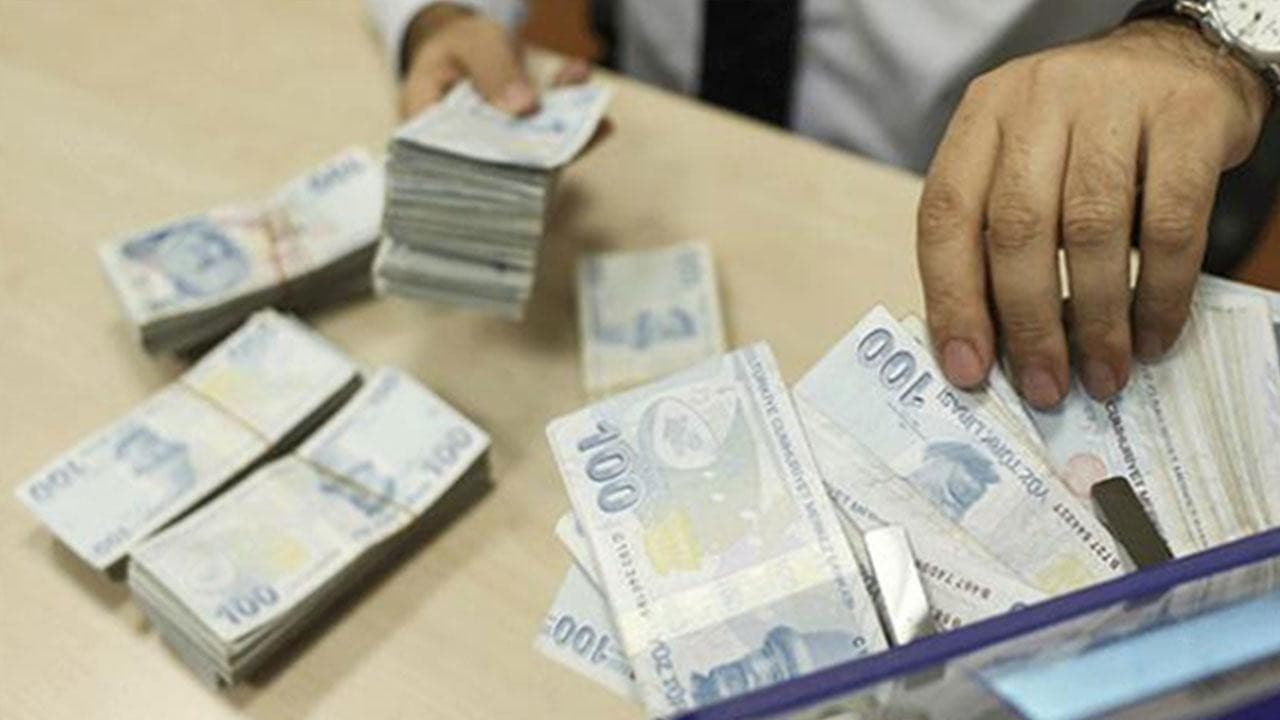
Turkey's household debt burden is escalating at an alarming rate, with individual loan non-performing loan (NPL) ratios reaching their highest level in nine years, putting pressure on financial stability. Approximately half of the country's population, 44.3 million people, utilize individual loans, and the average debt balance per person has climbed to 155 thousand Turkish Liras.
Alarming Bells Ringing in Individual Indebtedness
As of July 31, the total debt amount utilized through consumer loans and individual credit cards exceeded 6 trillion 852 billion Turkish Liras, surpassing the 4 trillion 704 billion Liras recorded in the same period last year. Within this debt stock, personal loans account for the largest share at 2 trillion 572 billion Turkish Liras.
Deeper Reasons Behind Credit Utilization
A significant portion of citizens seeking personal loans do so to manage their existing financial obligations. Data from TeklifimGelsin reveals the diversified dynamics of credit demand:
NPLs Cross a Critical Threshold
According to data from the Banking Regulation and Supervision Agency (BRSA), NPL ratios in individual borrowing have risen significantly:
Post-2024: A Reversal of Trends
From 2021 to the end of 2023, a general downward trend was observed in the NPL conversion rates for personal loans and individual credit cards. However, starting in 2024, this trend completely reversed; a significant increase began in NPL conversion rates for both personal loans and individual credit cards.
This aggressive increase in household indebtedness and the sharp rise in NPL ratios serve as a critical warning for the banking sector's risk appetite and the effectiveness of macro-prudential policies. The widespread use of credit, particularly for debt management, indicates potential difficulties in repaying maturing debts in the face of insufficient income and rising costs. This situation will necessitate stricter risk management in individual loans, prioritizing quality in credit growth, and encouraging the flow of resources towards production-oriented areas such as SME loans. The Central Bank's monetary policies and the BRSA's supervisory mechanisms may need to take more proactive steps in the coming period to reverse this trend and maintain financial stability.
Related News & Analysis
View All →
Gold Hits Record High: UBS Forecasts $5,000 in 2027

Citi and Goldman Sachs' Brent Forecasts: 2026 Prices to Fluctuate Between $80‑$90

State-Backed Credit Floods Small Traders with 75 Billion TL in First Half of 2026

Global Economy Turbulence: Rate Hikes, Energy Shock, and Turkey's Credit Crisis

Europe's Top 20 Banks Revealed: France's Five Giants Lead the Pack

Turkey's Tourism Revenue Shifts: Shopping Decline, Health Tourism Soars
Latest Market News
All News →
Folkart Terra: Çeşme’s New Luxury Housing Hub

Record Volume at Habur Gate: New Bottleneck Opened in Turkey's Export Route

TSE Announces 129-Strong Workforce Expansion, Signals Robust Public Sector Growth

Kalshi Co‑Founder Tarek Mansour Declines Management Advice, Pursues a Data‑Driven Path

Municipal Budgets Face Contraction: Lighting Deductions Tripled in Official Gazette
